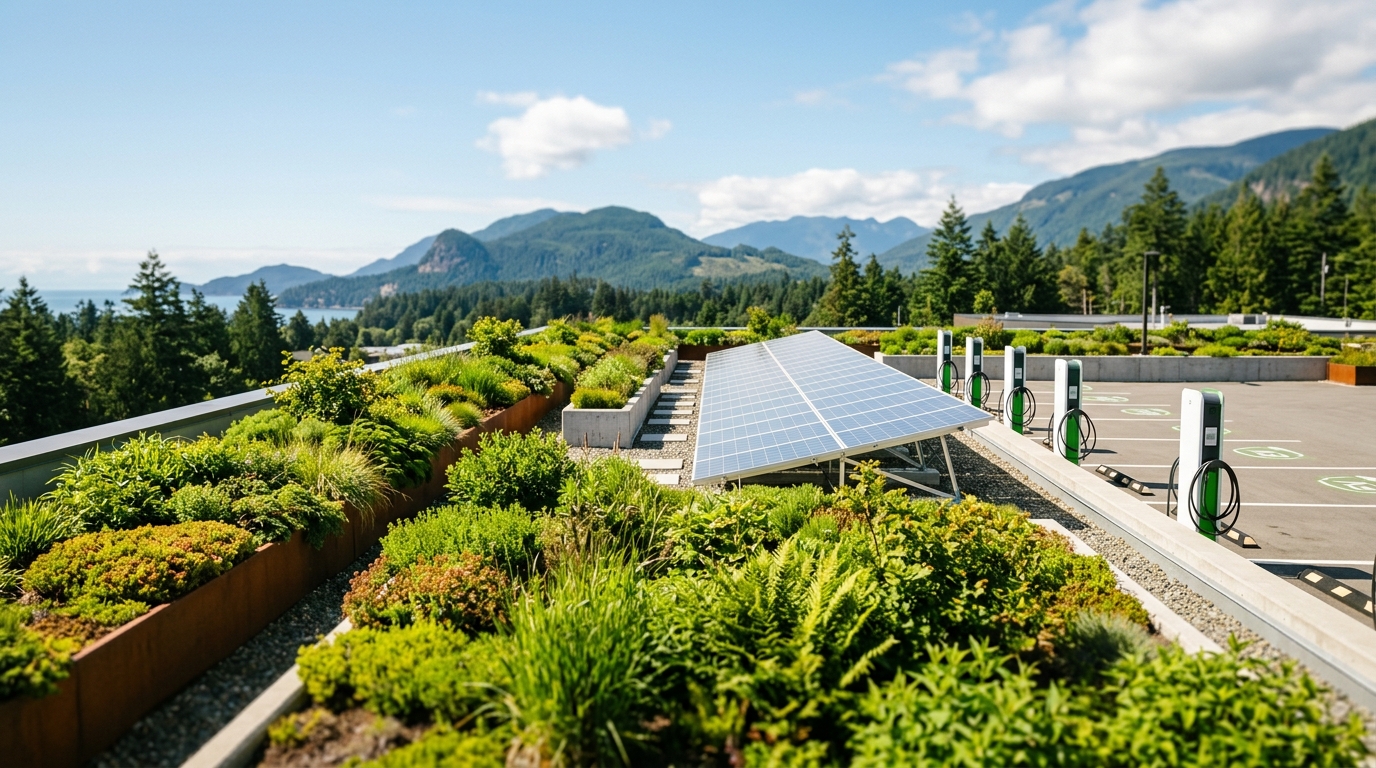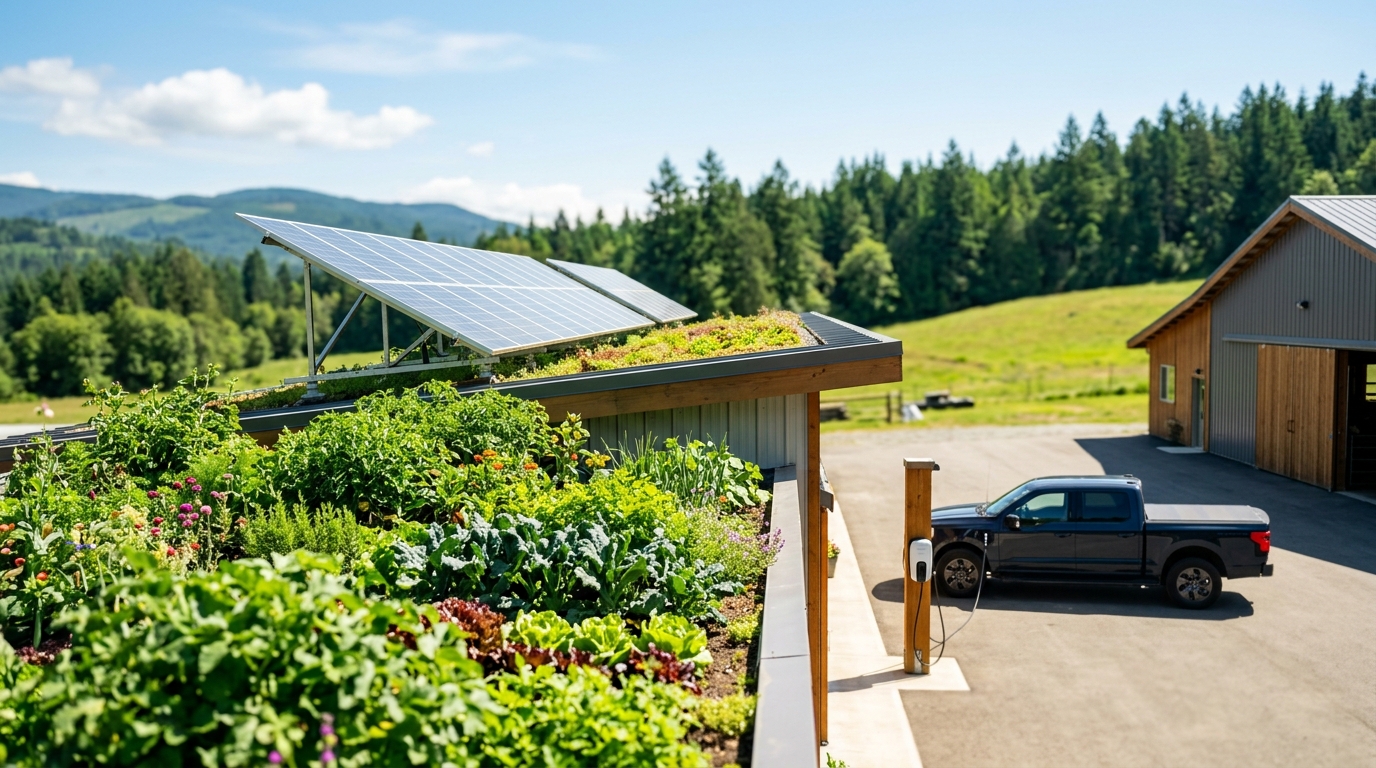
For decades, electricity was a fixed cost of doing business on a BC farm—a line item that climbed with every rate cycle. That calculus is changing. A convergence of revised BC Hydro net-metering tariffs, a federal Clean Investment Tax Credit worth 30 per cent of eligible capital costs, and rising energy bills is pushing agricultural operators across the Fraser Valley and Okanagan to install generation capacity beyond their own immediate needs. The strategic logic is clear: large roof and land footprints, historically treated as passive assets, can now produce revenue.
The opportunity is structural. BC Hydro's net-metering program allows customers who generate renewable electricity to export surplus power to the grid and receive a credit against their bill. Under the current tariff structure, agricultural participants receive credits at the full retail rate for exported electricity to offset their consumption. However, operators should note that any annual net surplus beyond total consumption is typically credited at a lower, market-based rate. For a greenhouse operator or a poultry barn with significant climate-control loads, the spread between self-generated power and purchased power remains substantial.
The federal tax credit sharpens the investment case. The Clean Technology Investment Tax Credit provides a 30 per cent refundable credit on the capital cost of eligible clean electricity equipment. For an agricultural operation investing $500,000 in a rooftop solar array, that translates to a $150,000 direct reduction in net capital outlay—before accounting for BC Hydro bill savings. Combined with provincial on-farm energy programs under CleanBC, the effective first-year cost of installed capacity has dropped significantly.
On-farm energy costs have moved in the opposite direction. BC Hydro's approved rate increases mean that operators who secured generation assets in 2024 and 2025 are better insulated from rate escalation on the portion of their load they self-supply. That insulation compounds over time. A Fraser Valley berry processor running refrigeration around the clock faces a different energy risk profile than one entirely dependent on the grid.
The regulatory window is the critical variable. BC Hydro's net-metering tariff is subject to review by the BC Utilities Commission, and the current retail-rate credit structure is not guaranteed indefinitely. The next BC Hydro rate application cycle creates a window in which export credit terms could be renegotiated. Operators who interconnect before any such review lock in their current tariff terms under existing agreements.
BC Hydro's net-metering program data shows steady growth in agricultural connections as equipment costs have fallen. The Okanagan has seen particular activity among vineyard operators with large unshaded roof areas on storage facilities. The Fraser Valley's concentration of greenhouse and intensive livestock operations provides a different profile: high baseload consumption and year-round energy demand.
This is not a passive income play. The economics work best for operators who have significant on-site consumption to offset first, with surplus generation as a secondary benefit. Clean energy finance advisors emphasize that system sizing—matching generation to load before optimizing for export—is the difference between a solid internal rate of return and a project that underperforms.
The broader implication for BC's agri-food sector is a shift in capital allocation. A packing facility that installs 500 kilowatts of rooftop solar is locking in a known energy cost for 25 years and positioning itself ahead of the next rate cycle. The BC Agriculture Council and the Fraser Valley Agri-Food Innovation Council have both identified energy cost management as a tier-one competitiveness issue for the sector.