Your Ad Here
728 × 90
Top Leaderboard — $2,500/week
Advertise Here
Click to inquire
Ad

Sustainability

Green business, ESG, and climate economy

Your Ad Here
728 × 90
In-Feed Banner — $1,500/week
Advertise Here
Click to inquire
Ad
BC Cleantech’s Export Pivot: Why Global Markets Are Replacing Domestic Subsidies
Sustainability

BC Cleantech’s Export Pivot: Why Global Markets Are Replacing Domestic Subsidies

A cohort of British Columbia cleantech firms is accelerating growth through international contracts, shifting the sector’s identity from subsidy-dependent to globally competitive.

Kai Anderson·2 months ago· 5 min read
Metro Vancouver’s SME Fleet Transition Stalls on Charging Infrastructure Gap
Sustainability

Metro Vancouver’s SME Fleet Transition Stalls on Charging Infrastructure Gap

Provincial incentives have successfully accelerated EV adoption among Metro Vancouver small and mid-size businesses, but a lack of commercial-grade charging infrastructure is creating significant operational and capital hurdles.

Kai Anderson·2 months ago· 5 min read
BC’s Energy Step Code: The Retrofit Opportunity Before the 2027 Deadline
Sustainability

BC’s Energy Step Code: The Retrofit Opportunity Before the 2027 Deadline

With new Energy Step Code performance tiers for Part 3 buildings taking effect in early 2027, Metro Vancouver property owners have a six-month window to secure incentives and lock in contractors before demand peaks.

Kai Anderson·2 months ago· 5 min read
BC Forest Carbon Credits Surge as Supply Constraints Create New Asset Class
Sustainability

BC Forest Carbon Credits Surge as Supply Constraints Create New Asset Class

Voluntary demand for BC-verified forest carbon credits is outstripping supply in 2026, driving prices higher. For forestry landowners and First Nations, this creates a durable revenue stream that Metro Vancouver firms with Scope 3 commitments are now moving to secure.

Kai Anderson·2 months ago· 6 min read
BC's Circular Economy Rules Loom: Suppliers Face 99-Day Compliance Deadline
Sustainability

BC's Circular Economy Rules Loom: Suppliers Face 99-Day Compliance Deadline

New provincial procurement regulations require suppliers with contracts exceeding $250,000 to meet circular economy standards by October 31, 2026. With the deadline less than 100 days away, many firms remain unprepared, creating an immediate opportunity for consultancies and waste management providers to assist in the transition.

Kai Anderson·3 months ago· 5 min read
Heat Dome at Five: How Metro Vancouver Businesses Are Pricing Climate Risk
Sustainability

Heat Dome at Five: How Metro Vancouver Businesses Are Pricing Climate Risk

Five years after the 2021 heat dome, Metro Vancouver businesses are shifting from reactive measures to formal risk management. As insurance and regulatory pressures mount, the business case for climate resilience is becoming a competitive necessity.

Kai Anderson·3 months ago· 6 min read
BC Marine Energy: New Leasing Framework Opens Door to Investment
Sustainability

BC Marine Energy: New Leasing Framework Opens Door to Investment

Federal regulatory updates have clarified offshore energy leasing, shifting marine renewables in British Columbia from policy aspiration to a bankable investment opportunity. With a clear pathway for tenure, coastal municipalities and First Nations are advancing projects, while local engineering firms eye a global export market.

Kai Anderson·3 months ago· 5 min read
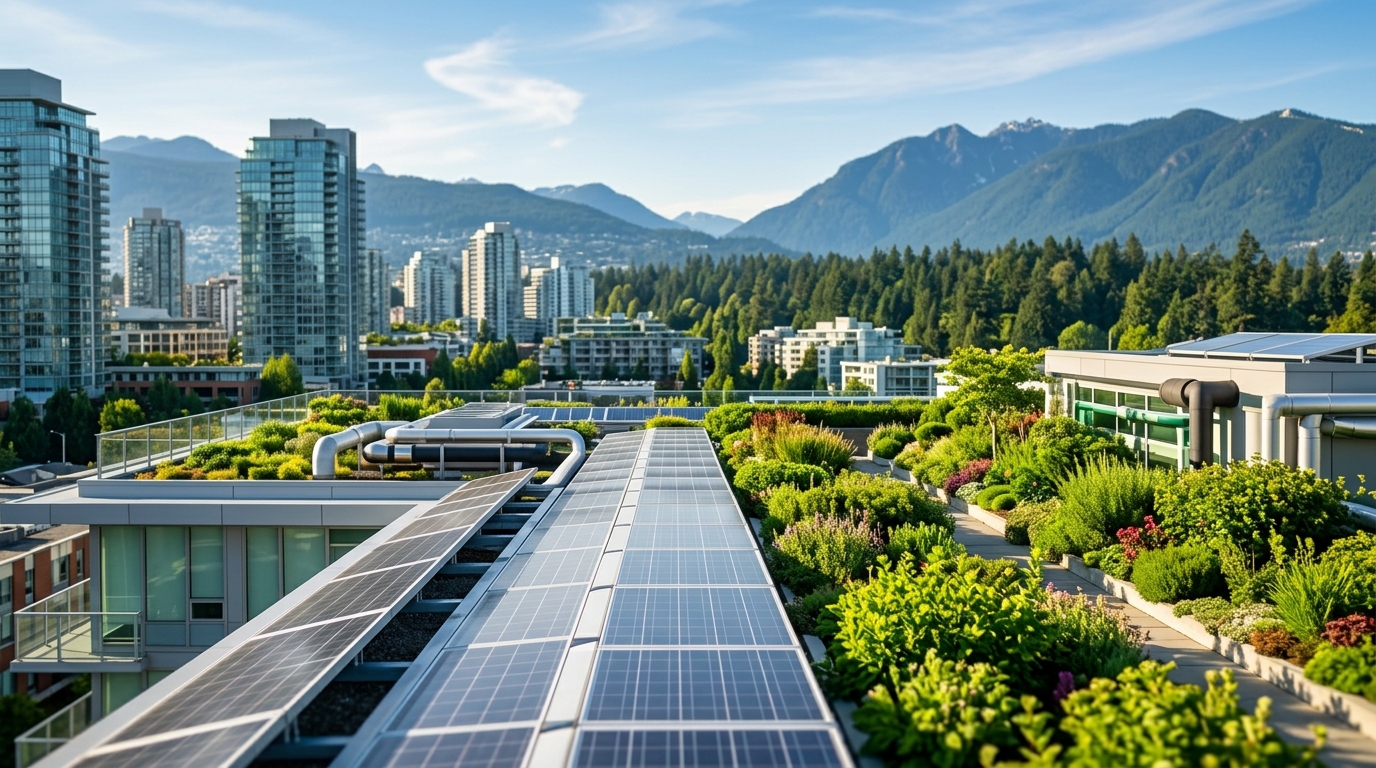
BC’s Water Tech Sector Finds Growth Through Global Exports
Sustainability

BC’s Water Tech Sector Finds Growth Through Global Exports

While other cleantech verticals face policy uncertainty and market volatility, BC’s water technology firms are quietly securing export contracts in Southeast Asia and the Middle East, proving that engineering reliability can scale without domestic subsidies.

Kai Anderson·3 months ago· 5 min read
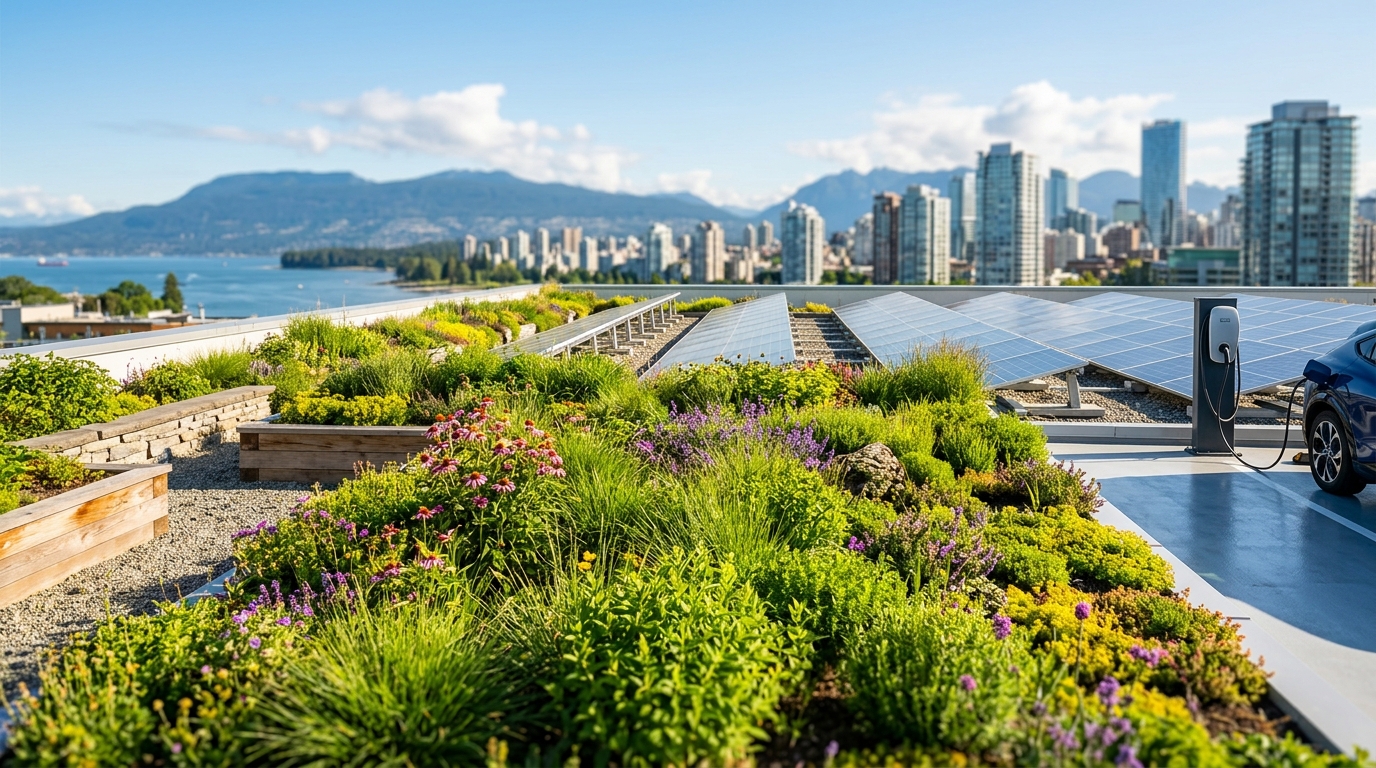
The Retrofit Imperative: How BC’s 2030 Emissions Mandate is Creating a Capital Market
Sustainability

The Retrofit Imperative: How BC’s 2030 Emissions Mandate is Creating a Capital Market

BC’s CleanBC plan is mandating a significant emissions reduction for commercial properties by 2030. For energy services companies and lenders, this regulatory shift is unlocking a durable, multi-billion-dollar market for building retrofits.

Kai Anderson·3 months ago· 5 min read

BC Carbon Credits Attract Asia-Pacific Buyers Amid Rising Net-Zero Pressure
Sustainability

BC Carbon Credits Attract Asia-Pacific Buyers Amid Rising Net-Zero Pressure

Firms in Japan, South Korea, and Singapore are increasingly sourcing high-integrity carbon credits from British Columbia’s forestry and blue carbon projects to meet strict climate compliance targets.

Kai Anderson·3 months ago· 7 min read
BC’s Hydrogen Sector Faces Reality Check as Projects Stall
Sustainability

BC’s Hydrogen Sector Faces Reality Check as Projects Stall

Several BC hydrogen projects announced between 2022 and 2024 have stalled as federal incentives underwhelm and global electrolyzer investment cools. For investors and industrial energy users, the gap between announced capacity and binding offtake agreements has never been wider.

Kai Anderson·3 months ago· 5 min read
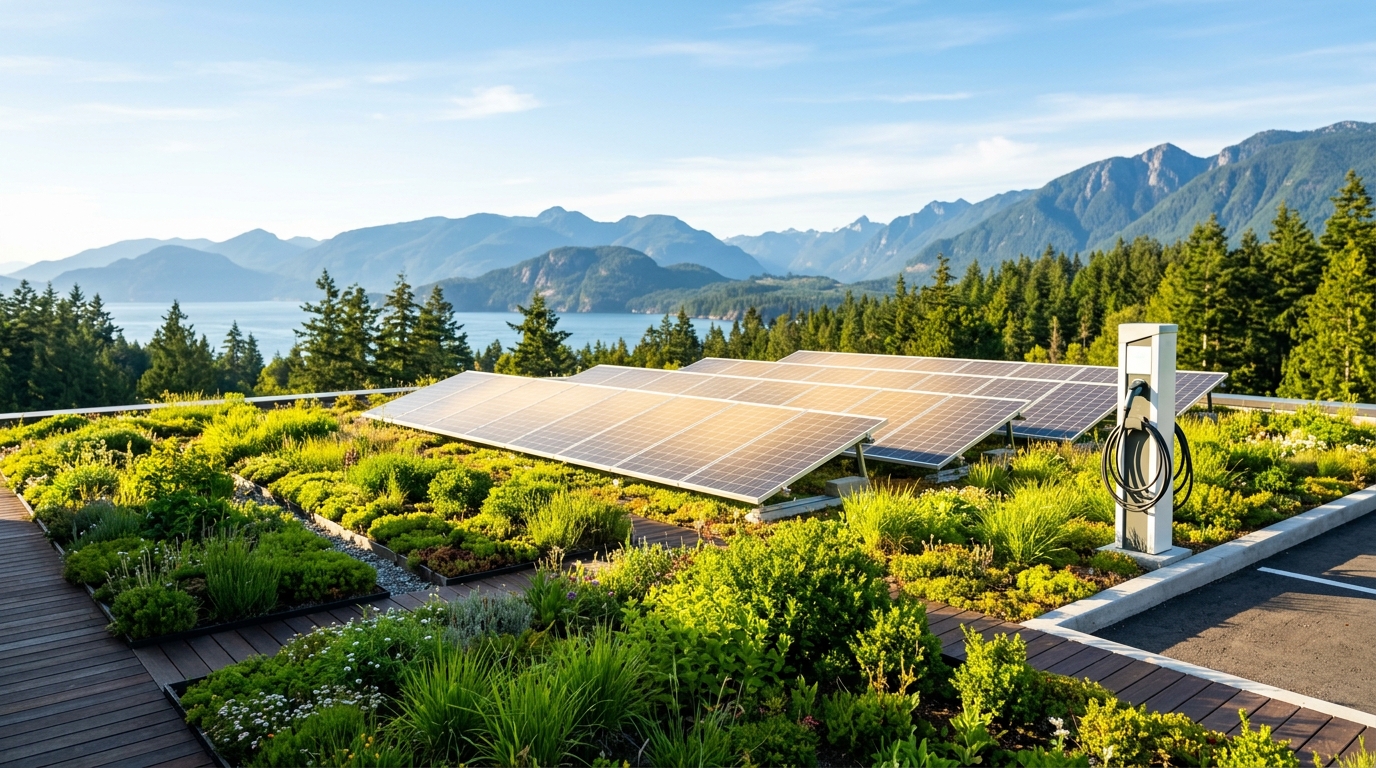
BC’s Packaging Regulation Overhaul: A $200-Million Compliance Market Opens for Local Firms
Sustainability

BC’s Packaging Regulation Overhaul: A $200-Million Compliance Market Opens for Local Firms

Federal and BC packaging regulations are entering a simultaneous enforcement ramp through 2028, creating a mandatory compliance market for materials startups, packaging consultancies, and waste management operators. For BC firms positioned in EPR compliance and materials innovation, the regulatory calendar represents a defined, policy-backed revenue runway as national brands scramble to meet hard deadlines.

Kai Anderson·3 months ago· 5 min read
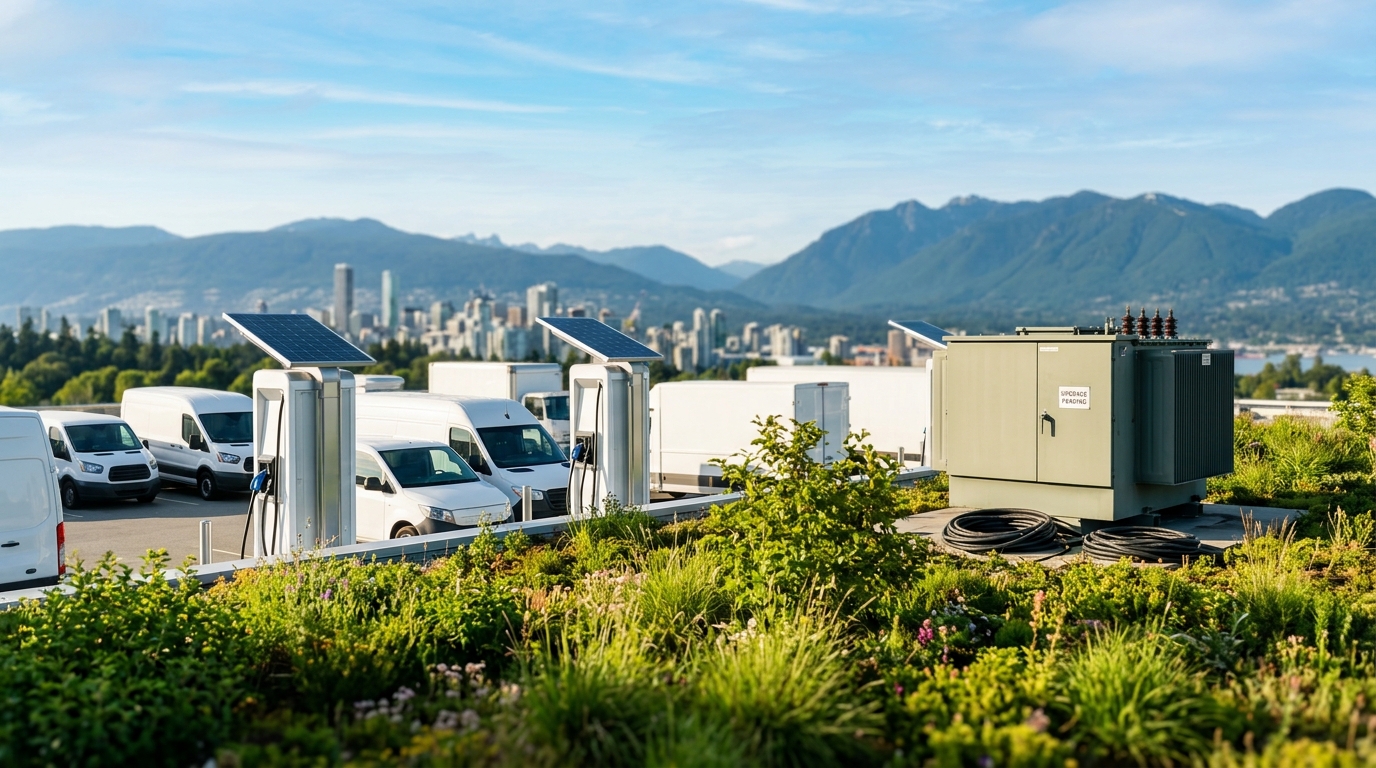
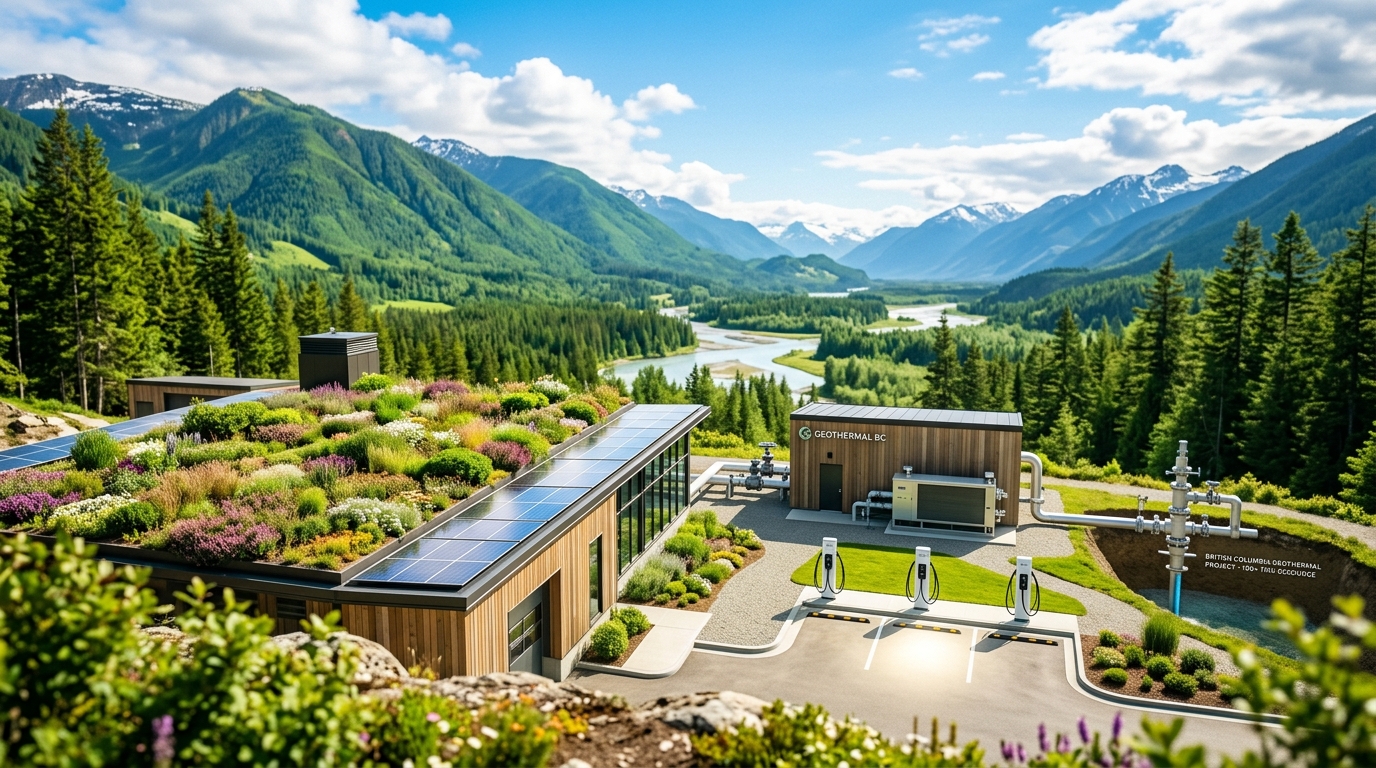
BC’s Geothermal Pivot: Why Developers Are Finally Running the Numbers
Sustainability

BC’s Geothermal Pivot: Why Developers Are Finally Running the Numbers

A federal tax credit, a 36-month BC Hydro interconnection backlog, and improved subsurface mapping have converged to make geothermal a viable hedge for Metro Vancouver developers. The window is open, but it is time-limited.

Kai Anderson·3 months ago· 5 min read
BC Ferries’ $3-Billion Electrification Push Opens Procurement Window for Local Firms
Sustainability

BC Ferries’ $3-Billion Electrification Push Opens Procurement Window for Local Firms

BC Ferries is mid-way through its most ambitious capital program in decades. With fleet renewal and shore-power upgrades anchoring a strategy running through 2030, the vendor qualification window is open for BC-based marine engineering, battery storage, and clean-tech firms.

Kai Anderson·3 months ago· 5 min read
The Wildfire Insurance Reckoning: How BC’s Commercial Property Market Is Pricing Uninsurable Risk
Sustainability

The Wildfire Insurance Reckoning: How BC’s Commercial Property Market Is Pricing Uninsurable Risk

Following record wildfire losses, major commercial insurers are exiting specific postal code zones or introducing wildfire sublimits that transfer material risk to property owners. As premium increases hit the Okanagan and beyond, the structural impact on commercial real estate valuations is beginning to reshape the market.

Kai Anderson·3 months ago· 6 min read
BC’s Carbon Market: How Industrial Leaders Are Building a Cost Moat
Sustainability

BC’s Carbon Market: How Industrial Leaders Are Building a Cost Moat

BC’s Output-Based Pricing System is entering its most stringent compliance year yet. For investors and supply chain partners, the gap between operators who invested early in emissions reduction and those still buying credits has become a material competitive advantage.

Kai Anderson·3 months ago· 5 min read

The Green Lease Era: How BC Tenants Are Forcing a Shift in Commercial Energy Standards
Sustainability

The Green Lease Era: How BC Tenants Are Forcing a Shift in Commercial Energy Standards

Metro Vancouver’s largest commercial tenants are increasingly mandating energy performance clauses in lease negotiations. By tying rent escalations and renewal options to building benchmarks, these tenants are compelling landlords to accelerate retrofits, fundamentally altering asset valuations and capital expenditure strategies.

Kai Anderson·3 months ago· 6 min read
The Heat Economy: How BC Developers Are Monetising Thermal Energy Sharing
Sustainability

The Heat Economy: How BC Developers Are Monetising Thermal Energy Sharing

As BC Hydro rates climb and carbon pricing reaches $110 per tonne, Metro Vancouver's district energy systems are becoming a structural hedge on operating costs. Thermal energy access—harvested from data centres, sewage treatment, and industrial waste—is now a critical line item for sustainability-focused investors.

Kai Anderson·3 months ago· 5 min read
The Stormwater Opportunity: How BC Property Owners and Startups Can Profit from Runoff
Sustainability

The Stormwater Opportunity: How BC Property Owners and Startups Can Profit from Runoff

A new class of stormwater utility fee structures is emerging across Metro Vancouver, rewarding commercial property owners for on-site water retention and creating a niche for BC-based environmental services startups. With billions in regional infrastructure needs projected over the next two decades, early movers have a significant advantage.

Kai Anderson·3 months ago· 6 min read
The Blue Carbon Frontier: Why BC’s Coastline Is the Next Climate Asset Class
Sustainability

The Blue Carbon Frontier: Why BC’s Coastline Is the Next Climate Asset Class

Seagrass meadows, kelp forests, and tidal marshes sequester carbon up to 10 times faster than terrestrial forests. As coastal operators and First Nations enterprises look to monetize these ecosystems, the race to establish high-integrity carbon credits is underway.

Kai Anderson·3 months ago· 6 min read
Under 90 Days to Comply: BC's New Circular Economy Procurement Rules
Sustainability

Under 90 Days to Comply: BC's New Circular Economy Procurement Rules

Starting October 1, 2026, the BC government will mandate circular economy criteria for contracts exceeding $100,000. With the deadline approaching, prepared suppliers have a strategic opportunity to gain market share as incumbents scramble to meet new documentation requirements.

Kai Anderson·3 months ago· 5 min read
The Infrastructure Bottleneck: Why BC Fleet Operators Must Queue for Power Now
Sustainability

The Infrastructure Bottleneck: Why BC Fleet Operators Must Queue for Power Now

Metro Vancouver fleet operators transitioning to electric vehicles face a critical 18-to-36-month wait for BC Hydro transformer upgrades. In this race, the infrastructure queue, not vehicle availability, will define the market leaders of 2028.

Kai Anderson·3 months ago· 6 min read
Wildfire Risk Is Now a Balance Sheet Problem for BC Businesses
Sustainability

Wildfire Risk Is Now a Balance Sheet Problem for BC Businesses

Insurers are tightening commercial property underwriting in BC’s fire interface zones. For Metro Vancouver firms with Interior exposure, wildfire risk has shifted from a distant hazard to a core operational challenge.

Kai Anderson·3 months ago· 5 min read
BC Forestry’s Mass Timber Pivot: Navigating the US Tariff Gap
Sustainability

BC Forestry’s Mass Timber Pivot: Navigating the US Tariff Gap

As softwood lumber faces persistent US duties, British Columbia’s mass timber sector is leveraging a distinct tariff classification and growing demand for low-carbon materials to secure a competitive advantage in the American market.

Kai Anderson·3 months ago· 6 min read
BC Forestry Operators Tap Voluntary Carbon Markets as Federal Policy Stalls
Sustainability

BC Forestry Operators Tap Voluntary Carbon Markets as Federal Policy Stalls

While federal carbon policy remains in flux, BC forestry operators—including First Nations-owned enterprises—are generating revenue through verified improved forest management projects. With high-integrity credits trading at $15–$50 USD per tonne, the opportunity for early movers is significant, provided they meet tightening global standards.

Kai Anderson·3 months ago· 5 min read
Turning Compliance into Capital: How BC Manufacturers Are Profiting from EPR
Sustainability

Turning Compliance into Capital: How BC Manufacturers Are Profiting from EPR

BC's Extended Producer Responsibility framework is a mandatory cost for manufacturers, but a growing number of Metro Vancouver operators are finding margin in reverse logistics, material recovery, and recycled feedstock sales. The compliance burden, it turns out, contains a business model.

Kai Anderson·3 months ago· 6 min read
The 2027 Step Code Deadline: Why Metro Vancouver Developers Should Build for Step 4 Now
Sustainability

The 2027 Step Code Deadline: Why Metro Vancouver Developers Should Build for Step 4 Now

With BC’s 2027 mandate for near-zero energy ready construction approaching, developers pulling permits today face a critical choice: meet the current Step 3 floor or invest in Step 4 now to avoid costly future retrofits.

Kai Anderson·3 months ago· 5 min read
Geothermal’s BC Moment: Why Developers Are Drilling Where Oil Wells Failed
Sustainability

Geothermal’s BC Moment: Why Developers Are Drilling Where Oil Wells Failed

A convergence of federal tax credits, improved drilling technology, and BC’s exceptional geothermal gradient is pushing geothermal district energy past the pilot stage. Two Vancouver-based firms are negotiating multi-year commercial heat supply contracts, signalling a shift toward institutional-grade infrastructure.

Kai Anderson·3 months ago· 5 min read
Industrial Carbon Uncertainty Stalls BC's Decarbonisation Pipeline
Sustainability

Industrial Carbon Uncertainty Stalls BC's Decarbonisation Pipeline

The federal government's suspension of the consumer carbon price has created a ripple effect in British Columbia, causing industrial operators to pause capital-intensive emissions-reduction projects. With the provincial industrial carbon price at $95 per tonne, manufacturers are seeking firm policy clarity from Victoria to unfreeze stalled investments.

Kai Anderson·3 months ago· 5 min read
Wildfire Season Opens Early: Stress-Testing BC Supply Chains
Sustainability

Wildfire Season Opens Early: Stress-Testing BC Supply Chains

With the BC Wildfire Service forecasting an above-normal fire season, Metro Vancouver businesses face early operational risks. Experts suggest that proactive inventory management and contingency planning are the most effective ways to mitigate potential supply chain disruptions.

Kai Anderson·4 months ago· 5 min read

The Heat Pump Crunch: Why BC’s Installation Bottleneck is a Strategic Opportunity
Sustainability

The Heat Pump Crunch: Why BC’s Installation Bottleneck is a Strategic Opportunity

Surging demand for heat pump installations across Metro Vancouver has stretched manufacturer lead times to 16–24 weeks and pushed certified contractors' booking calendars into early 2027. For property owners, the message is clear: act now or lose your retrofit window. For contractors and distributors willing to scale, the runway is wide open.

Kai Anderson·4 months ago· 5 min read

BC Ferries’ Electrification Drive Is Creating a Global Marine Tech Hub
Sustainability

BC Ferries’ Electrification Drive Is Creating a Global Marine Tech Hub

BC Ferries’ $2-billion-plus fleet renewal is transforming the Lower Mainland into a premier testing ground for marine cleantech. For local battery, engineering, and grid-integration firms, the race is on to turn domestic procurement into an exportable advantage.

Kai Anderson·4 months ago· 6 min read
Blue Carbon: First Nations and Investors Eye BC’s Coastal Potential
Sustainability

Blue Carbon: First Nations and Investors Eye BC’s Coastal Potential

British Columbia’s 27,000-kilometre coastline represents one of North America’s largest blue carbon asset bases. As verification frameworks mature, First Nations and conservation investors are moving to secure first-mover advantage in this emerging market.

Kai Anderson·4 months ago· 6 min read
Timber Supply Redrawn: How BC’s Old-Growth Deferrals Are Reshaping Interior Investment
Sustainability

Timber Supply Redrawn: How BC’s Old-Growth Deferrals Are Reshaping Interior Investment

British Columbia’s commitment to defer logging on 2.6 million hectares of at-risk old-growth forest is moving from policy pledge to operational reality. The resulting reallocation of timber supply is creating new opportunities in value-added processing, carbon sequestration, and First Nations-led tenure arrangements.

Kai Anderson·4 months ago· 5 min read
The Business of Drought: How BC’s Water Crisis is Forging a New Infrastructure Market
Sustainability

The Business of Drought: How BC’s Water Crisis is Forging a New Infrastructure Market

As southern BC faces its third consecutive year of below-normal precipitation, a surge in capital deployment for reclamation, precision irrigation, and smart metering is transforming water resilience from a climate challenge into a durable investment category.

Kai Anderson·4 months ago· 5 min read
Five Years After the Heat Dome, BC’s Cooling Infrastructure Economy Is Scaling
Sustainability

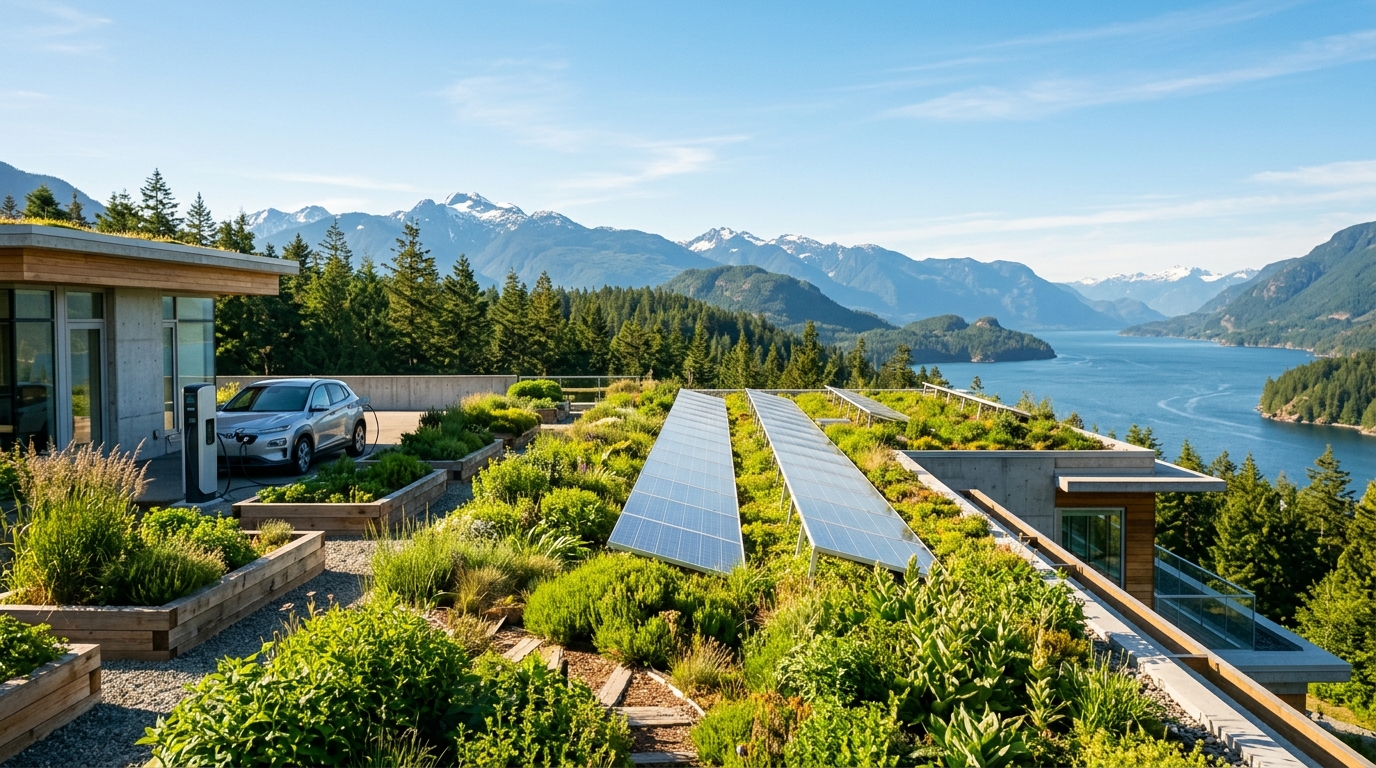
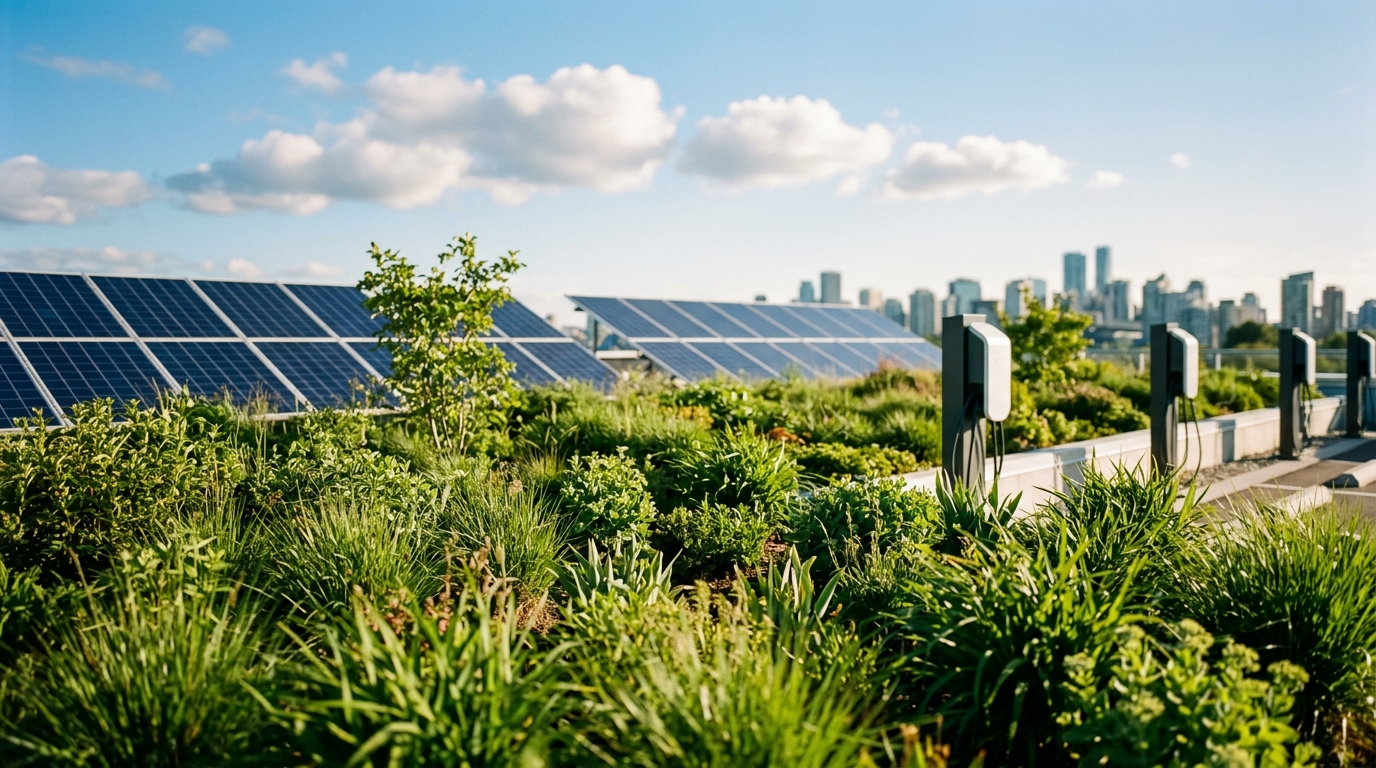
Five Years After the Heat Dome, BC’s Cooling Infrastructure Economy Is Scaling

The 2021 heat dome claimed 619 lives and exposed a critical gap in British Columbia’s built environment. Five years later, a measurable capital investment cycle is emerging, offering a structural advantage to the contractors, engineers, and manufacturers who move early to meet rising demand.
Kai Anderson·4 months ago· 5 min read
The Retrofit Economy: How Vancouver Landlords Are Turning Energy Upgrades Into a Leasing Weapon
Sustainability

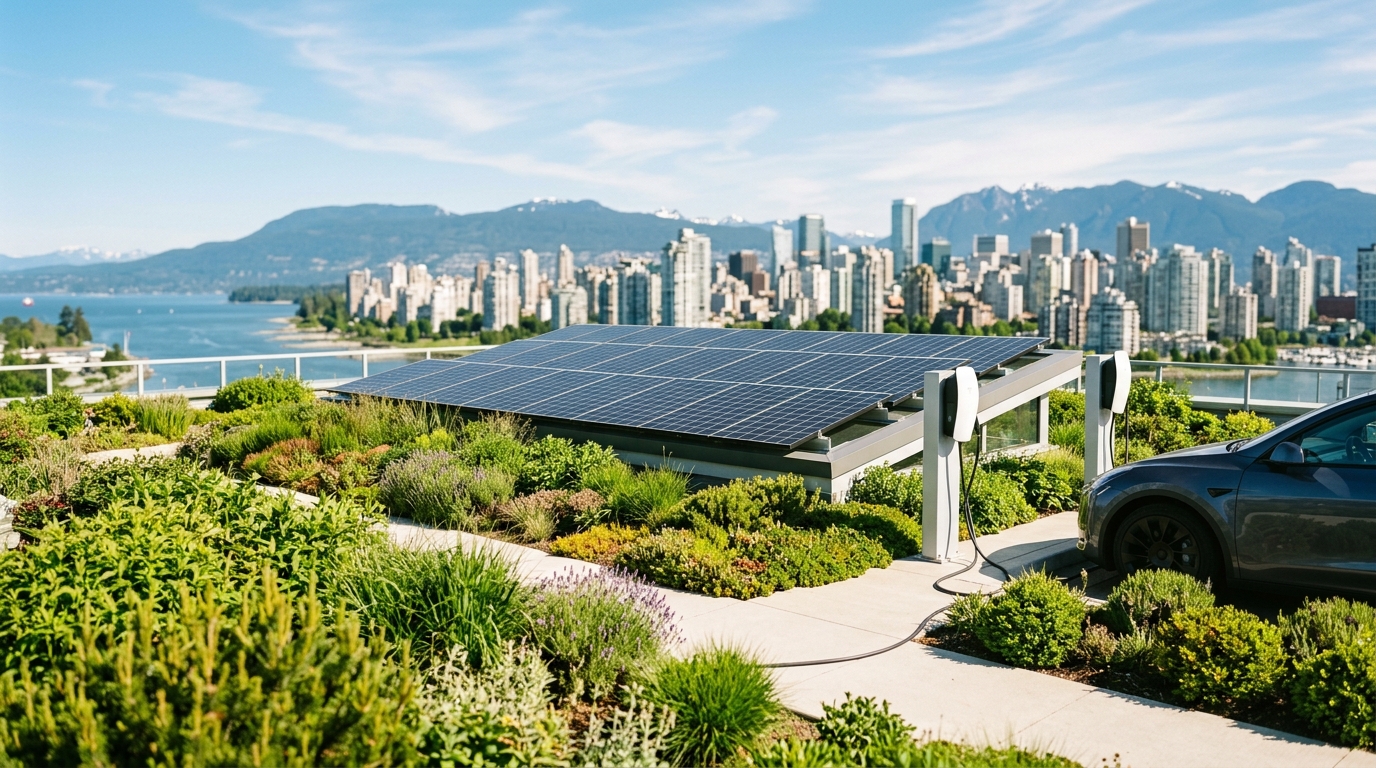
The Retrofit Economy: How Vancouver Landlords Are Turning Energy Upgrades Into a Leasing Weapon

A cohort of Metro Vancouver commercial landlords is discovering that deep energy retrofits—driven by CleanBC compliance—are becoming a competitive differentiator. Tenants with emissions reporting obligations increasingly treat energy performance certificates as a hard requirement, causing certified green space to tighten faster than new construction can replace it.

Kai Anderson·4 months ago· 6 min read
BC's Carbon Credit Market Matures: New Revenue Streams for Resource and Land-Based Operators
Sustainability

BC's Carbon Credit Market Matures: New Revenue Streams for Resource and Land-Based Operators

BC's voluntary carbon offset market is entering a phase of institutional credibility, offering genuine revenue opportunities for operators with land, waste streams, or sequestration capacity. However, navigating the spectrum between premium and discount credits is now a core financial requirement for the province's resource and agricultural sectors.

Kai Anderson·4 months ago· 5 min read
New Sustainability Rules Are Coming: Why BC’s Mid-Market Must Act Now
Sustainability

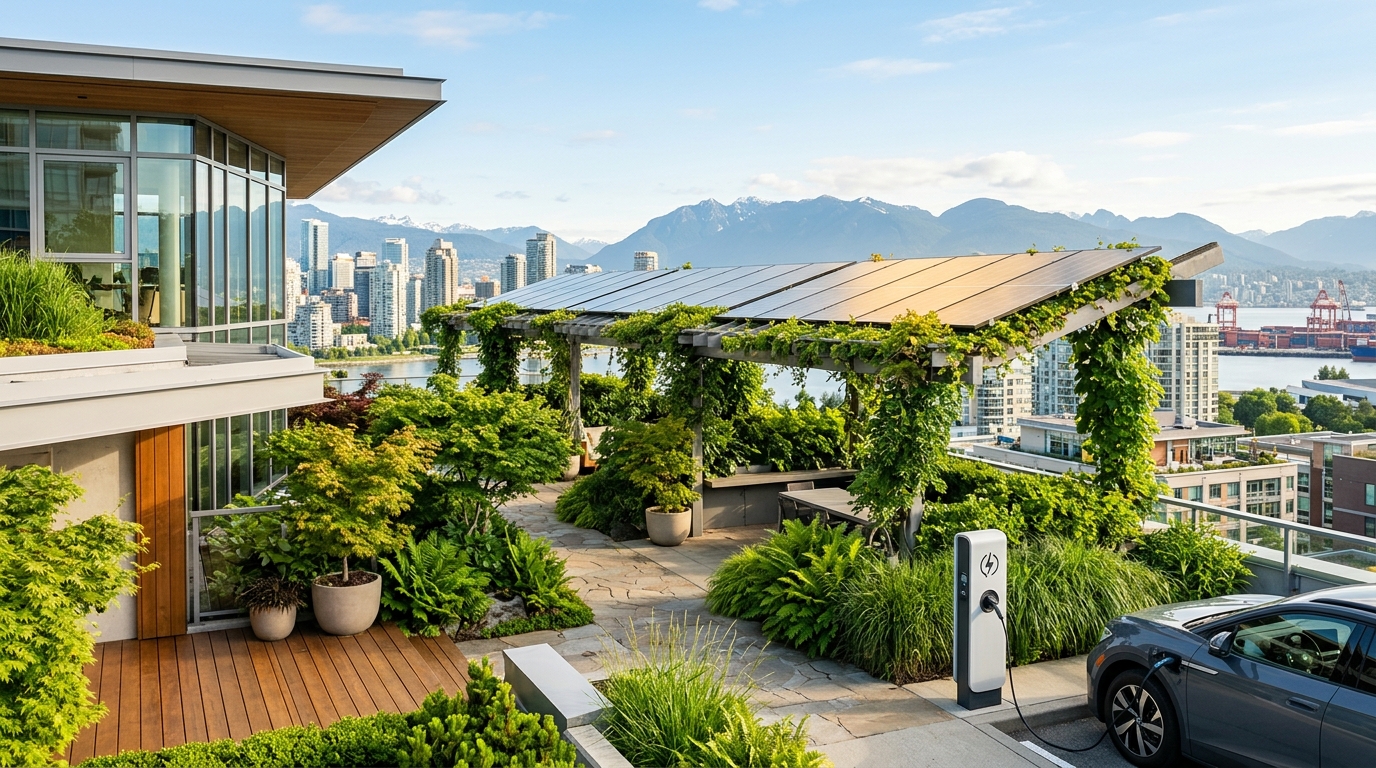
New Sustainability Rules Are Coming: Why BC’s Mid-Market Must Act Now

Canada’s upcoming sustainability disclosure standards are set to reshape supply chains. For BC’s mid-market, the pressure to provide auditable emissions data is already arriving through procurement contracts—long before the formal regulatory deadlines.

Kai Anderson·4 months ago· 7 min read
BC Mass Timber Sector Eyes Asia as Domestic Pipeline Plateaus
Sustainability

BC Mass Timber Sector Eyes Asia as Domestic Pipeline Plateaus

Japan's 2025 building code revision unlocks a multibillion-dollar opportunity for BC’s mass timber producers. To capture it, the province must overcome entrenched European competition and capitalize on its geographic and carbon-intensity advantages.

Kai Anderson·4 months ago· 6 min read
Vancouver’s Cruise Rebound Masks a Hard Shore-Power Deadline — and a Race to Protect a $600M Industry
Sustainability

Vancouver’s Cruise Rebound Masks a Hard Shore-Power Deadline — and a Race to Protect a $600M Industry

Vancouver's cruise season is tracking toward a record 1.3 million passengers in 2026, injecting hundreds of millions into the local economy. But a Transport Canada shore-power mandate with an 18-month compliance window is creating a significant infrastructure opportunity for BC electrical and grid firms — and the clock is running.

Kai Anderson·4 months ago· 6 min read
Why BC Agri-Businesses Are Turning to On-Farm Energy Production
Sustainability

Why BC Agri-Businesses Are Turning to On-Farm Energy Production

A convergence of BC Hydro net-metering tariffs, federal tax credits, and rising energy costs is transforming agricultural operations into power producers. Operators are acting now to lock in favourable terms before future regulatory reviews.

Kai Anderson·4 months ago· 5 min read

Vancouver’s $2B Seismic Retrofit Deadline: A Looming Test for Commercial Landlords
Sustainability

Vancouver’s $2B Seismic Retrofit Deadline: A Looming Test for Commercial Landlords

Vancouver’s mandatory seismic upgrade program is entering its enforcement phase, with compliance deadlines for heritage commercial buildings now within a two-to-four-year window. For owners of unreinforced masonry, the era of deferral is over—but for engineers, contractors, and lenders, the cycle presents a significant capital deployment opportunity.

Kai Anderson·4 months ago· 7 min read
BC’s Water Stress: Why Manufacturers and Agri-Processors are Repricing Risk
Sustainability

BC’s Water Stress: Why Manufacturers and Agri-Processors are Repricing Risk

A third consecutive year of below-average snowpack in BC’s Interior has pushed water licence curtailments to levels not seen since 2015. For food processors, beverage manufacturers, and data centre operators, water availability is no longer a background assumption—it is a critical capital-planning variable.

Kai Anderson·4 months ago· 5 min read
BC’s Geothermal Moment: Why a Forgotten Clean Energy Source Is Finally Bankable
Sustainability

BC’s Geothermal Moment: Why a Forgotten Clean Energy Source Is Finally Bankable

Updated provincial resource mapping, a new federal investment tax credit, and institutional interest are shifting BC geothermal from a perennial also-ran to a credible project pipeline. For data centre operators and energy developers frustrated by BC Hydro’s 48-month interconnection queue, the timing is significant.

Kai Anderson·4 months ago· 6 min read
Early Wildfire Season Triggers Insurance Crunch for Interior BC Operators
Sustainability

Early Wildfire Season Triggers Insurance Crunch for Interior BC Operators

With wildfire activity tracking ahead of the 10-year average, Interior businesses face a tightening insurance market. Rising premiums and policy exclusions are creating immediate working-capital challenges for operators across the Kamloops and Cariboo regions.

Kai Anderson·4 months ago· 6 min read
BC’s Hydrogen Export Window: How the Province Can Capture Asia-Pacific Energy Trade
Sustainability

BC’s Hydrogen Export Window: How the Province Can Capture Asia-Pacific Energy Trade

Japan and South Korea are finalizing hydrogen import frameworks, and BC’s hydroelectric advantage makes it a credible Pacific-gateway supplier. With Australian and Norwegian competitors moving quickly, the next 12 to 18 months will determine who secures the offtake agreements that define a generation-long revenue stream.

Kai Anderson·4 months ago· 6 min read
Climate-Adaptive Retrofits: Why BC’s Commercial Property Upgrade Cycle is an Asset-Value Play
Sustainability

Climate-Adaptive Retrofits: Why BC’s Commercial Property Upgrade Cycle is an Asset-Value Play

An estimated 60% of Metro Vancouver's commercial building stock predates current energy and climate-resilience standards. With updated building codes, federal concessionary financing, and shifting insurance markets, property owners who view retrofits as mere compliance are leaving significant value on the table.

Kai Anderson·4 months ago· 6 min read
BC’s Carbon Market Matures: How Local Firms Are Turning Offsets Into Assets
Sustainability

BC’s Carbon Market Matures: How Local Firms Are Turning Offsets Into Assets

With the federal carbon price set to reach $170 per tonne by 2030, BC operators in forestry, agriculture, and industry are shifting their view of carbon credits from accounting footnotes to balance-sheet assets. Here is how the economics work and where the competitive advantage lies.

Kai Anderson·4 months ago· 6 min read
The Embodied Carbon Advantage: How Metro Vancouver Contractors Are Securing Future Work Today
Sustainability

The Embodied Carbon Advantage: How Metro Vancouver Contractors Are Securing Future Work Today

BC's Step Code will mandate embodied carbon reporting for large buildings by 2027, but early-moving contractors and suppliers are already winning institutional contracts by proving their low-carbon credentials. The competitive edge they are building now may be difficult for rivals to replicate.

Kai Anderson·4 months ago· 5 min read
BC Hydro’s Demand Forecast Is a Defining Infrastructure Signal for 2026
Sustainability

BC Hydro’s Demand Forecast Is a Defining Infrastructure Signal for 2026

BC Hydro’s updated Integrated Resource Plan projects electricity demand growth that would have seemed implausible three years ago. With power availability now the primary constraint on Metro Vancouver’s economic growth, private capital is repositioning ahead of formal procurement.

Kai Anderson·4 months ago· 6 min read
Metro Vancouver’s $4B Seismic Deadline Triggers a Construction Reckoning
Sustainability

Metro Vancouver’s $4B Seismic Deadline Triggers a Construction Reckoning

Provincially mandated seismic upgrades are colliding with constrained municipal budgets, forcing school districts and civic leaders to choose between costly retrofits and full-scale rebuilds. For the construction sector, these decisions represent a significant, long-term capital deployment opportunity.

Kai Anderson·4 months ago· 7 min read
Passive House Goes Commercial: BC Developers Gain Edge as Costs Drop
Sustainability

Passive House Goes Commercial: BC Developers Gain Edge as Costs Drop

Construction cost premiums for Passive House–certified commercial buildings in BC have fallen from roughly 18% five years ago to below 8% today. As the BC Energy Step Code ratchets upward, a small cohort of developers is leveraging this cost compression to secure a competitive advantage.

Kai Anderson·4 months ago· 6 min read
Waste to Revenue: How Metro Vancouver Manufacturers Are Monetising Disposal Liabilities
Sustainability

Waste to Revenue: How Metro Vancouver Manufacturers Are Monetising Disposal Liabilities

A growing cohort of Metro Vancouver manufacturers is converting industrial waste into secondary-material revenue. With formalised waste accounting, some firms are seeing margin improvements, though the window for first-mover advantage is narrowing as broker networks mature.

Kai Anderson·4 months ago· 5 min read
The Retrofit Economy: How BC’s CleanBC Funding Is Building a New Class of Contractor
Sustainability

The Retrofit Economy: How BC’s CleanBC Funding Is Building a New Class of Contractor

BC’s multi-billion-dollar climate investment is doing more than cutting emissions—it is professionalizing the residential trades. Contractors are scaling from owner-operated shops into sophisticated enterprises by leveraging predictable funding horizons to build proprietary systems.

Kai Anderson·4 months ago· 5 min read
Carbon Credit Fatigue: Why BC’s Voluntary Market is Retrenching
Sustainability

Carbon Credit Fatigue: Why BC’s Voluntary Market is Retrenching

After a surge in voluntary carbon purchases by Metro Vancouver businesses from 2022 to 2024, corporate buyers are pulling back. The shift, driven by integrity concerns and a shortage of audit-ready BC credits, complicates the province’s 2030 climate goals but offers a strategic opening for disciplined operators.

Kai Anderson·4 months ago· 5 min read
BC’s New EPR Mandates Create a High-Growth Compliance Market for Manufacturers
Sustainability

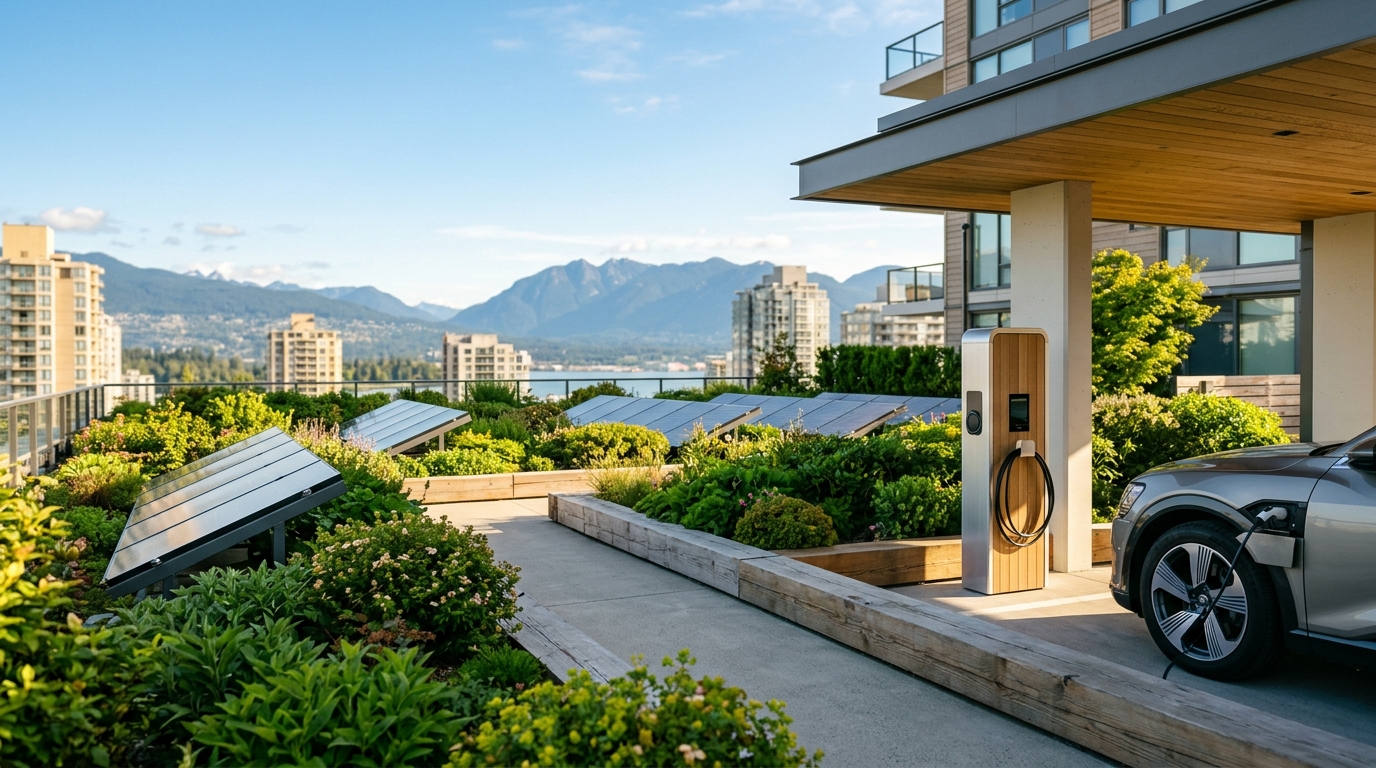
BC’s New EPR Mandates Create a High-Growth Compliance Market for Manufacturers

Expanded Extended Producer Responsibility rules arriving in late 2026 will turn end-of-life product management into a recurring operating cost for thousands of BC businesses. A burgeoning sector of compliance and logistics firms is emerging to capture this market.

Kai Anderson·4 months ago· 5 min read
Wildfire Hazard Mapping Is Repricing BC’s Backcountry Commercial Real Estate
Sustainability

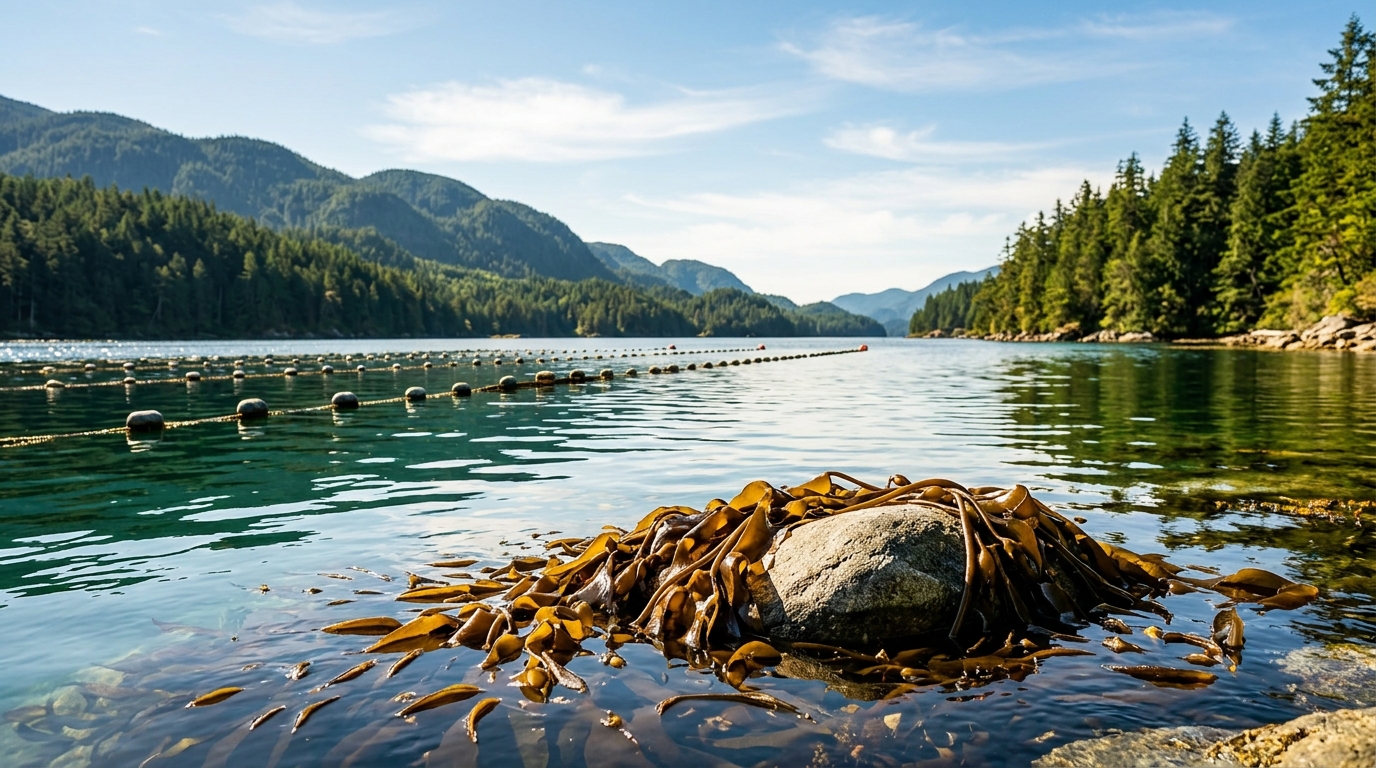
Wildfire Hazard Mapping Is Repricing BC’s Backcountry Commercial Real Estate

Updated BC Wildfire Service hazard mapping is forcing a shift in how commercial properties are insured. For resort and lodge operators, the path forward requires treating wildfire mitigation as an engineering priority rather than an administrative hurdle.

Kai Anderson·4 months ago· 5 min read

BC’s Clean Energy Procurement: Why Developers Are Racing to Secure Contracts
Sustainability

BC’s Clean Energy Procurement: Why Developers Are Racing to Secure Contracts

BC Hydro’s updated resource planning projects electricity demand growth of up to 40% by 2040. For independent power producers and Indigenous communities, the next 18 months represent a critical window to secure long-term electricity purchase agreements.

Kai Anderson·4 months ago· 6 min read
Heat Dome Plus Five: Why WorkSafeBC’s Stricter Enforcement Is a Talent Retention Strategy
Sustainability

Heat Dome Plus Five: Why WorkSafeBC’s Stricter Enforcement Is a Talent Retention Strategy

Five years after the 2021 heat dome, WorkSafeBC is entering its most rigorous enforcement season yet. For Metro Vancouver operators, heat stress compliance is no longer optional—and firms investing in cooling infrastructure are building a measurable edge in a tight labour market.

Kai Anderson·4 months ago· 5 min read
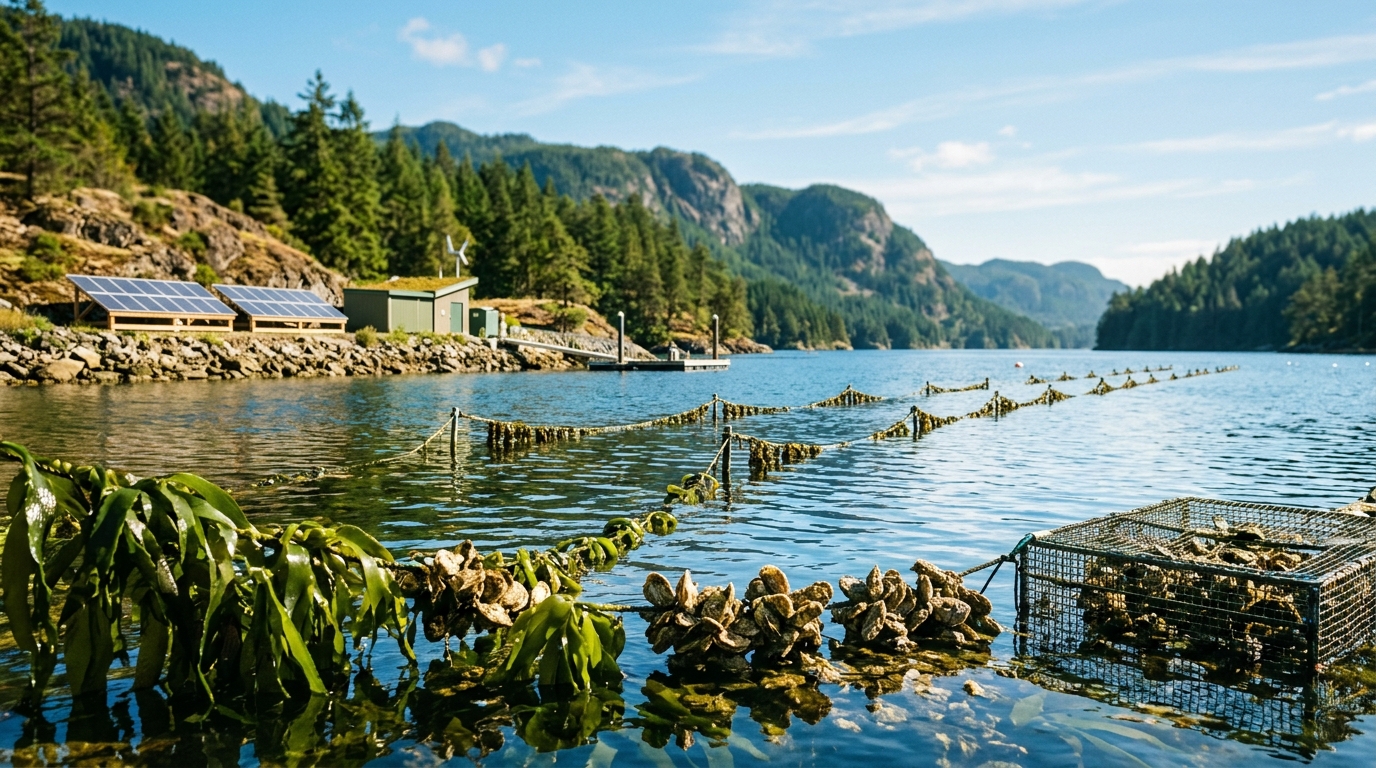
BC’s Blue Economy: Why Investors Are Eyeing Shellfish and Seaweed
Sustainability

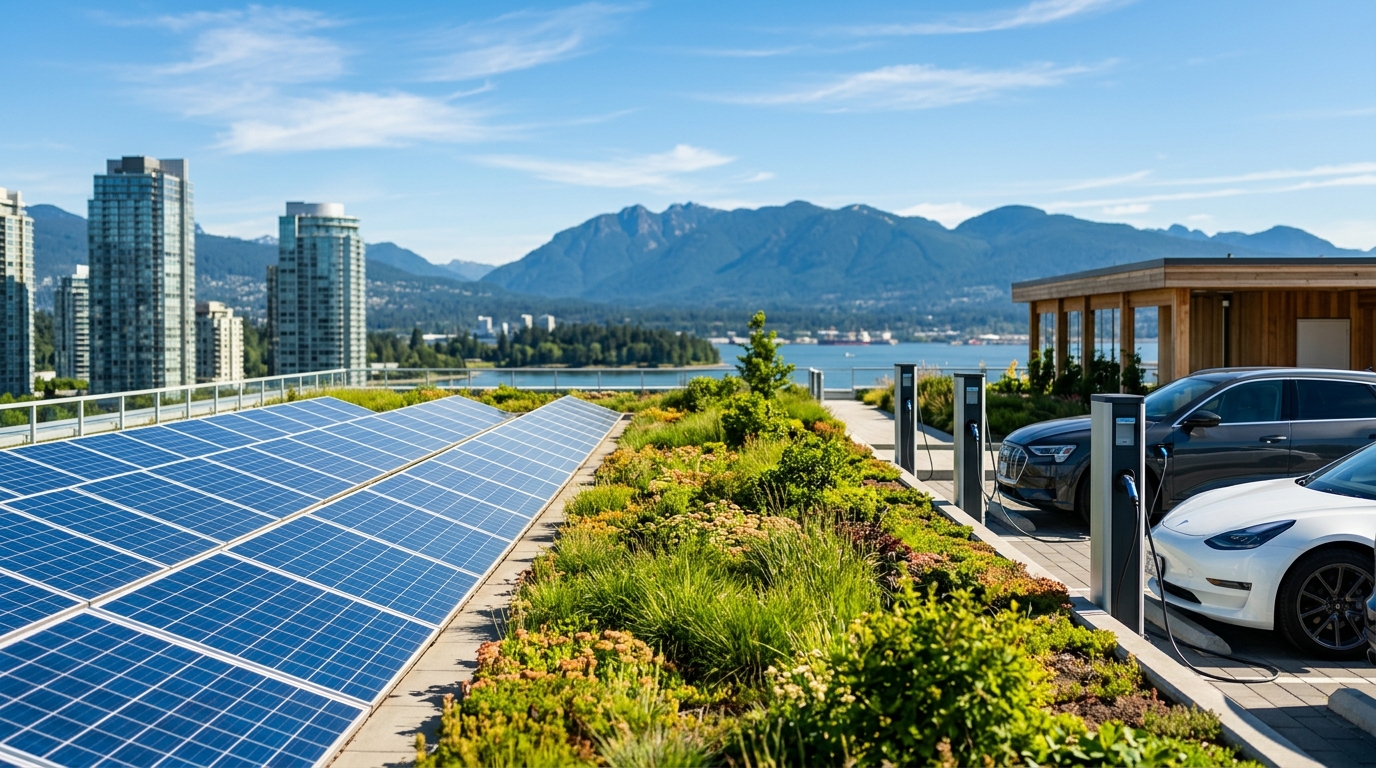
BC’s Blue Economy: Why Investors Are Eyeing Shellfish and Seaweed

British Columbia's aquaculture sector is pivoting from open-net salmon farming toward shellfish, seaweed, and restorative mariculture. Driven by federal funding, carbon credit potential, and a shifting regulatory landscape, the sector is attracting early-stage interest from investors and coastal First Nations.

Kai Anderson·4 months ago· 5 min read
BC’s Methane Mandate Sparks Procurement Surge for Local Clean-Tech
Sustainability

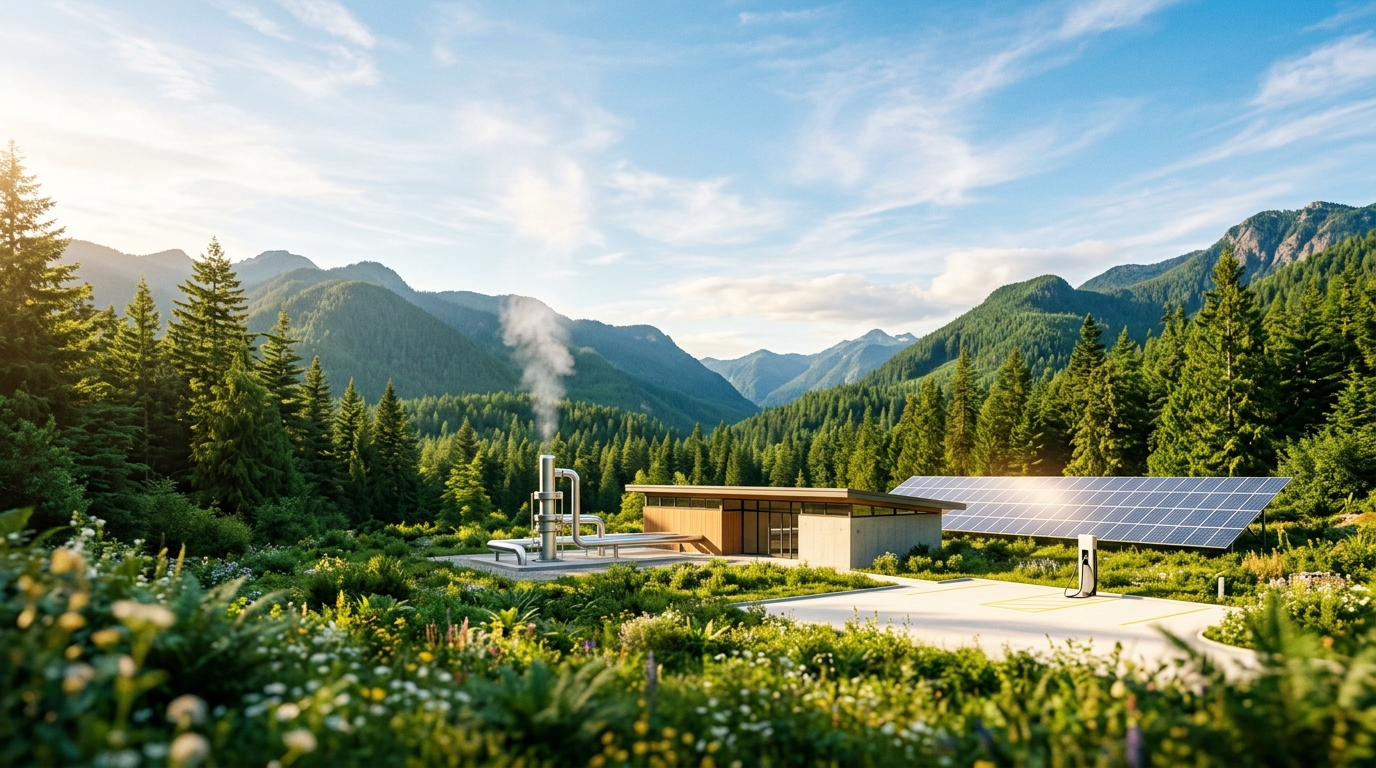
BC’s Methane Mandate Sparks Procurement Surge for Local Clean-Tech

British Columbia’s 2030 deadline to slash upstream methane emissions by 75% is forcing oil and gas producers to accelerate procurement. For Metro Vancouver’s emissions-monitoring firms, the window to secure multi-year contracts is open now.

Kai Anderson·4 months ago· 5 min read
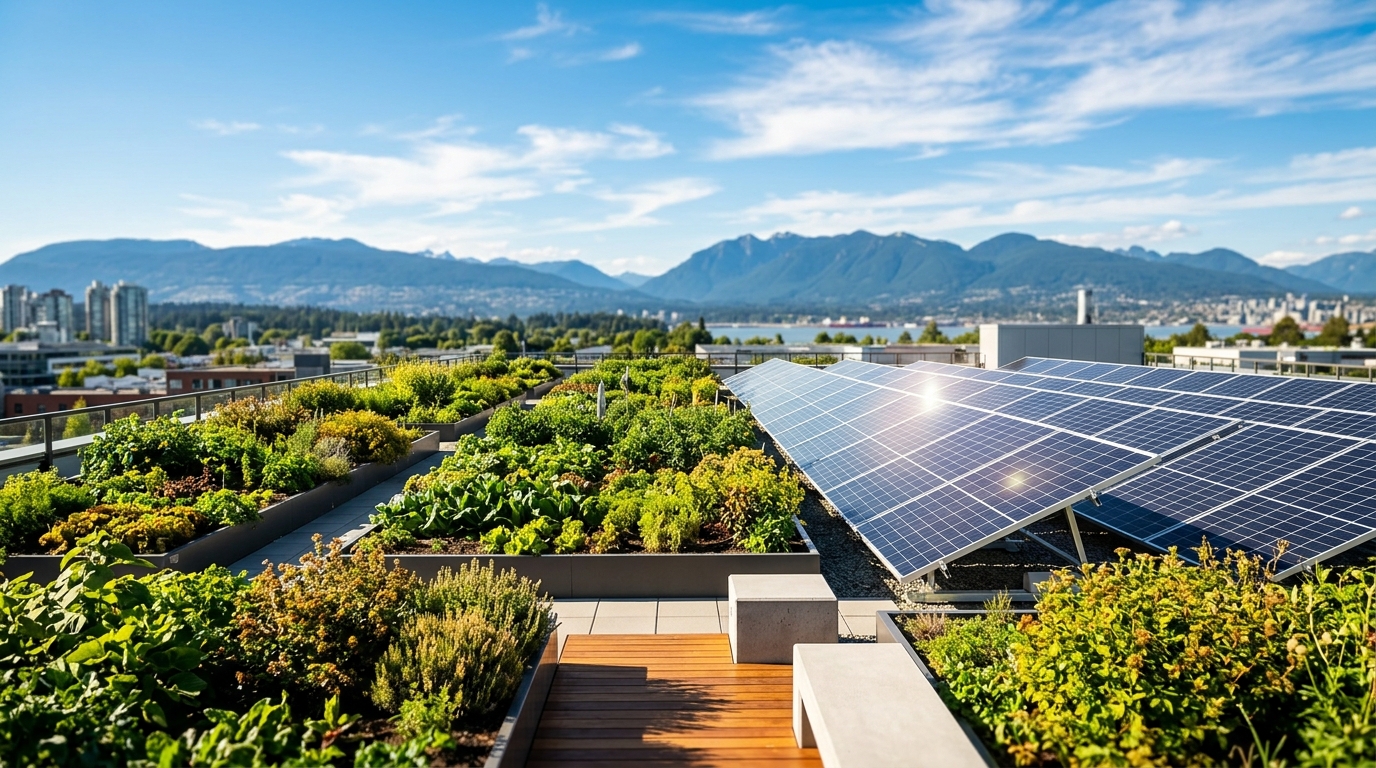
BC’s 2027 Energy Step Code Deadline: Why Developers Must Act in 2026
Sustainability

BC’s 2027 Energy Step Code Deadline: Why Developers Must Act in 2026

British Columbia's Energy Step Code reaches its next mandatory threshold in 2027, but for developers with projects in permitting today, the compliance window is closing. Early movers are finding that the cost premium for Step 4 construction has narrowed, while high-performance features are becoming a key differentiator in a competitive pre-sales market.

Kai Anderson·4 months ago· 5 min read

The BC Carbon Credit Shakeout: Why Institutional Capital is Targeting High-Integrity Offsets
Sustainability

The BC Carbon Credit Shakeout: Why Institutional Capital is Targeting High-Integrity Offsets

New verification requirements are forcing a repricing of British Columbia’s legacy carbon credits. For investors and land managers, the shift creates a clear divide between distressed assets and high-value, compliance-eligible opportunities.

Kai Anderson·4 months ago· 5 min read
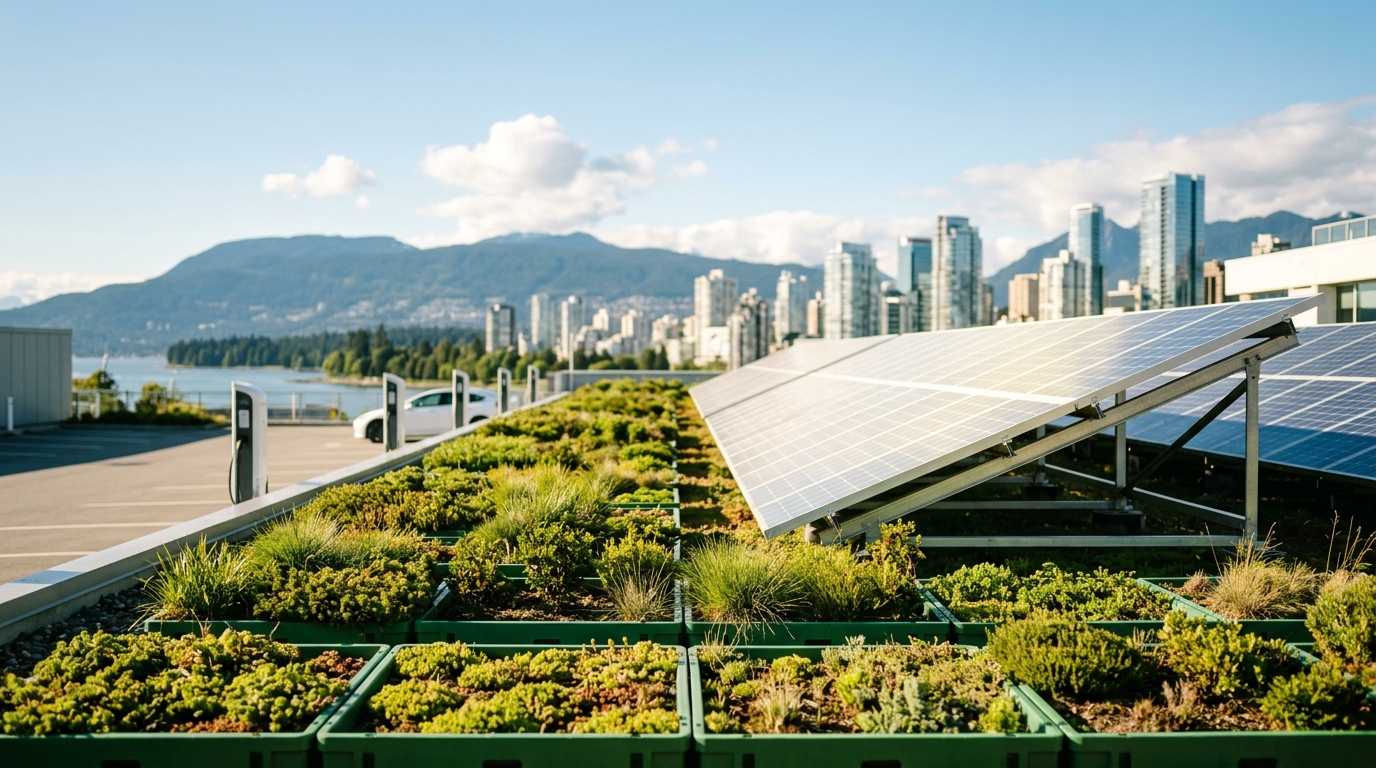
BC’s Geothermal Pivot: Why the Province’s First Commercial Projects Are Finally Within Reach
Sustainability

BC’s Geothermal Pivot: Why the Province’s First Commercial Projects Are Finally Within Reach

Enhanced geothermal systems technology has reached a financial viability threshold, and BC’s 100-plus TWh annual resource potential is attracting serious capital. As the province grapples with rising energy demand, geothermal is emerging as a critical baseload solution—with Indigenous partnerships set to define the pace of development.

Kai Anderson·5 months ago· 7 min read

The Water Licence Bottleneck: Why BC’s Infrastructure Ambitions Are Hitting a Regulatory Wall
Sustainability

The Water Licence Bottleneck: Why BC’s Infrastructure Ambitions Are Hitting a Regulatory Wall

Routine water licence amendments in British Columbia now average 18 to 24 months, creating a significant barrier for run-of-river power, controlled-environment agriculture, and data centre development. For investors, water access has become a critical, often overlooked, risk factor.

Kai Anderson·5 months ago· 5 min read
Wildfire Season 2026: Why BC’s Fire Forecast Is a Metro Vancouver Supply Chain Risk
Sustainability

Wildfire Season 2026: Why BC’s Fire Forecast Is a Metro Vancouver Supply Chain Risk

The BC Wildfire Service has flagged above-normal fire potential for the Interior and Southern Coast through July 2026. For Metro Vancouver operators, the risk extends beyond the flames to insurance premiums, timber supply, and tourism revenue.

Kai Anderson·5 months ago· 5 min read
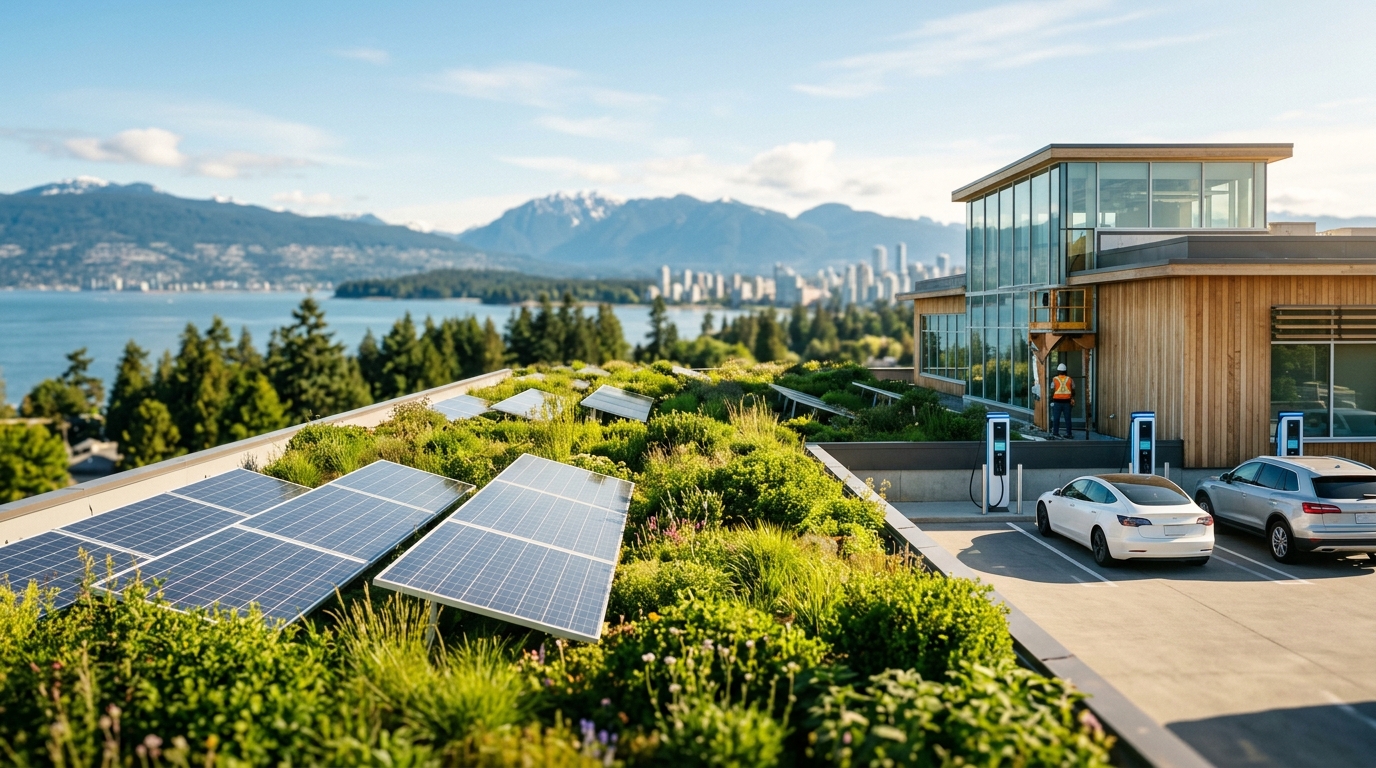
BC’s Circular Economy Mandates Open a New Procurement Market for Local Startups
Sustainability

BC’s Circular Economy Mandates Open a New Procurement Market for Local Startups

British Columbia’s expanded Extended Producer Responsibility framework is transforming sustainability obligations into predictable, regulation-backed revenue. For Metro Vancouver cleantech firms, the shift offers a narrow window to capture market share before national consolidators scale.

Kai Anderson·5 months ago· 4 min read
The $2B Cold Chain Gap: Why Metro Vancouver’s Logistics Operators Must Pivot Now
Sustainability

The $2B Cold Chain Gap: Why Metro Vancouver’s Logistics Operators Must Pivot Now

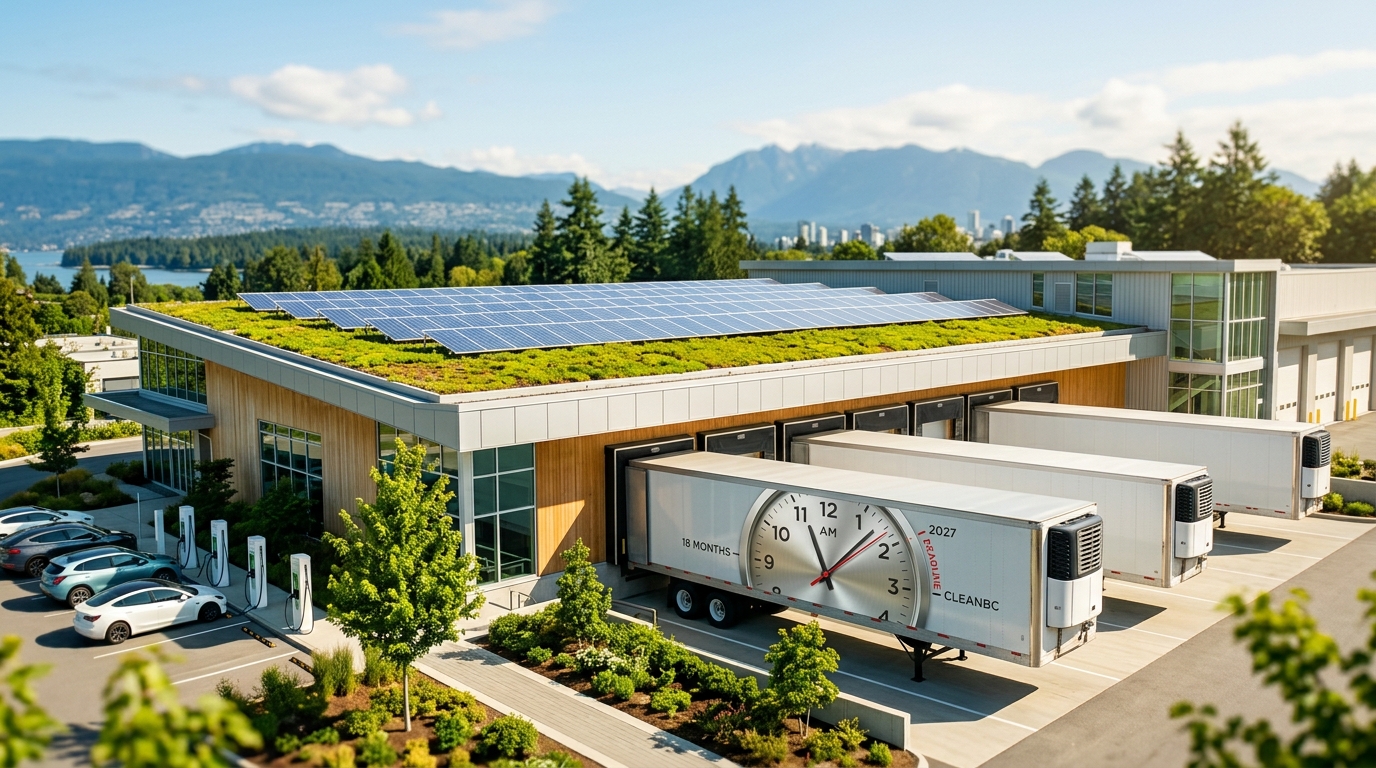
Metro Vancouver’s refrigerated logistics network is a major, often overlooked source of emissions. While federal and provincial incentives offer a path to electrification, the real driver for change is the tightening of Scope 3 disclosure mandates by major grocery and pharmaceutical buyers.

Kai Anderson·5 months ago· 6 min read
Heat Pump Bottleneck: Why BC’s Retrofit Demand Is Outpacing Contractor Supply
Sustainability

Heat Pump Bottleneck: Why BC’s Retrofit Demand Is Outpacing Contractor Supply

Record application volumes under CleanBC's heat pump rebate program are colliding with a shortage of certified HVAC contractors and equipment lead times of up to 16 weeks. For contractors who can scale certified capacity, the backlog represents a multi-year revenue runway; for building owners, capital planning timelines have become significantly more complex.
Kai Anderson·5 months ago· 5 min read
Why BC Hydro’s Rate Review is a Must-Watch for Industrial Operators
Sustainability

Why BC Hydro’s Rate Review is a Must-Watch for Industrial Operators

BC Hydro’s 2026–2028 general rate application is currently before the BC Utilities Commission. For data centres, greenhouse growers, and manufacturers, the outcome will lock in electricity costs for years. Operators who engage now gain a structural advantage over those who treat energy as a fixed expense.
Kai Anderson·5 months ago· 5 min read
Carbon Credit Arbitrage: BC Offset Producers Eye a 30–50% Premium — If They Can Clear the Verification Queue
Sustainability

Carbon Credit Arbitrage: BC Offset Producers Eye a 30–50% Premium — If They Can Clear the Verification Queue

BC's carbon price hit $110 per tonne in April 2026, and compliance-grade offset credits are trading at a significant premium to voluntary equivalents. For forestry operators and Indigenous Nations with eligible land, the arbitrage is real — but a 12–18 month verification backlog is the execution bottleneck separating opportunity from revenue.

Kai Anderson·5 months ago· 5 min read
Green Bond Market Matures: Why BC Issuers Are Capturing a New Investor Class
Sustainability

Green Bond Market Matures: Why BC Issuers Are Capturing a New Investor Class

Canada's green bond market has surpassed $50 billion in cumulative issuance. For BC companies and Crown corporations planning major debt raises, green bonds are now cost-competitive with conventional debt and provide access to vital European and Asian capital.

Kai Anderson·5 months ago· 5 min read
Harbour Air’s Electric Milestone: What Certification Means for BC’s Coast
Sustainability

Harbour Air’s Electric Milestone: What Certification Means for BC’s Coast

As Harbour Air approaches a 2026 Transport Canada certification threshold for its electric seaplane program, the move signals a shift from demonstration to commercial reality, with implications for coastal infrastructure, tourism, and remote connectivity.

Kai Anderson·5 months ago· 5 min read
Wildfire Risk 2026: Why BC Businesses Must Re-evaluate Their Balance Sheets
Sustainability

Wildfire Risk 2026: Why BC Businesses Must Re-evaluate Their Balance Sheets

With the BC Wildfire Service projecting above-normal fire potential across the Interior, the risk is no longer just a weather concern—it is a fundamental business continuity and insurance challenge for resource, tourism, and supply chain operators.

Kai Anderson·5 months ago· 5 min read
BC’s Ocean Carbon Removal Sector Lands First Commercial Contracts Amid Regulatory Uncertainty
Sustainability

BC’s Ocean Carbon Removal Sector Lands First Commercial Contracts Amid Regulatory Uncertainty

A cohort of BC-based ocean carbon dioxide removal startups has secured its first commercial credit purchase agreements. While this confirms corporate demand, the sector faces a complex regulatory landscape as federal and provincial authorities work to define the rules for marine-based carbon sequestration.

Kai Anderson·5 months ago· 6 min read
Vancouver’s 3,000-Building Emissions Deadline: 18 Days to Compliance
Sustainability

Vancouver’s 3,000-Building Emissions Deadline: 18 Days to Compliance

Vancouver's Building Emissions Reporting and Disclosure bylaw requires roughly 3,000 large buildings to submit 2025 energy and emissions data by June 1. The resulting dataset will create the first standardized emissions scorecard for the city's commercial stock, likely accelerating the repricing of inefficient assets.

Kai Anderson·5 months ago· 6 min read
The Southeast Asian Opportunity: How BC Cleantech Is Scaling Abroad
Sustainability

The Southeast Asian Opportunity: How BC Cleantech Is Scaling Abroad

Domestic carbon incentives built BC's cleantech sector, but export revenue is what makes it permanent. A growing cohort of Metro Vancouver firms is securing early contracts in Vietnam, Indonesia, and the Philippines as the infrastructure to support them takes shape.

Kai Anderson·5 months ago· 5 min read
Site C Goes Live: The Race for BC’s New 1,100 MW Grid Capacity
Sustainability

Site C Goes Live: The Race for BC’s New 1,100 MW Grid Capacity

With Site C now delivering 1,100 megawatts of firm power, British Columbia’s industrial landscape faces a new reality. For data centres, fleet operators, and hydrogen producers, the bottleneck has shifted from power availability to queue priority.

Kai Anderson·5 months ago· 5 min read
The Heat Island Premium: Why Cooling Infrastructure Is Now a Real Estate Pricing Variable
Sustainability

The Heat Island Premium: Why Cooling Infrastructure Is Now a Real Estate Pricing Variable

With Environment Canada projecting Metro Vancouver's extreme heat days to double by 2035, the absence of cooling infrastructure in pre-2000 buildings is becoming a measurable valuation discount. Owners have one construction season to act before the market fully prices in the gap.

Kai Anderson·5 months ago· 5 min read
Prescribed Burns and Carbon Credits: A New Revenue Stream for BC Landowners
Sustainability

Prescribed Burns and Carbon Credits: A New Revenue Stream for BC Landowners

BC’s expanded prescribed burn program is intersecting with voluntary carbon markets. Private and First Nations landowners conducting managed burns may now generate verified carbon credits, turning fire-risk management into a viable income stream.

Kai Anderson·5 months ago· 5 min read
Why BC’s EV Mandate Is a Procurement Inflection Point for Commercial Fleets
Sustainability

Why BC’s EV Mandate Is a Procurement Inflection Point for Commercial Fleets

Procurement decisions made in 2026 will determine which BC commercial fleet operators are competitively positioned by 2030. While capital requirements are significant, the market for turnkey electrification and available financing mechanisms are changing the math for operators.

Kai Anderson·5 months ago· 5 min read
BC’s $3B Retrofit Opportunity: Why 2026 Is the Year to Execute
Sustainability

BC’s $3B Retrofit Opportunity: Why 2026 Is the Year to Execute

CleanBC’s emissions mandates are driving a massive capital expenditure cycle for pre-2000 commercial and multi-family buildings. With federal co-investment and available contractor capacity, the window to act is now.

Kai Anderson·5 months ago· 5 min read
Circular Construction: Why Vancouver Developers Are Turning Demolition Waste Into a Profit Centre
Sustainability

Circular Construction: Why Vancouver Developers Are Turning Demolition Waste Into a Profit Centre

With construction costs high and regional waste targets tightening, material recovery is moving from an environmental mandate to a financial strategy. Developers who integrate salvage into project planning are finding measurable cost offsets and smoother permitting processes.

Kai Anderson·5 months ago· 5 min read
Kelp Is the New Canola: BC’s Seaweed Sector Eyes $200M Export Market
Sustainability

Kelp Is the New Canola: BC’s Seaweed Sector Eyes $200M Export Market

A regulatory overhaul at Fisheries and Oceans Canada is unlocking new seaweed aquaculture tenures along BC’s 27,000-kilometre coastline, just as international buyers seek North American supply. For coastal operators and investors, the timing may be transformative.

Kai Anderson·5 months ago· 5 min read
BC’s Forestry Waste Is No Longer a Disposal Problem — It’s a Feedstock Gold Rush
Sustainability

BC’s Forestry Waste Is No Longer a Disposal Problem — It’s a Feedstock Gold Rush

BC generates an estimated 20 to 25 million bone-dry tonnes of forest biomass annually. A cluster of startups and established forest products companies are now racing to turn that waste into sustainable aviation fuel, bio-based materials, and biochemicals, backed by federal tax credits and a growing Vancouver financing ecosystem.

Kai Anderson·5 months ago· 5 min read
Vancouver’s B-Corp Cohort Grows, Turning Certification Into a Competitive Moat
Sustainability

Vancouver’s B-Corp Cohort Grows, Turning Certification Into a Competitive Moat

Metro Vancouver's B-Corp community is expanding by roughly 15 per cent annually as operators discover that certification is becoming a vital procurement credential. With British Columbia’s updated sustainable procurement policy now in effect, the commercial stakes for certified businesses have risen.

Kai Anderson·5 months ago· 5 min read
BC’s Geothermal Reset: New Regulatory Framework Opens an Energy Frontier
Sustainability

BC’s Geothermal Reset: New Regulatory Framework Opens an Energy Frontier

With the 2025 Geothermal Resources Act now in force, British Columbia has cleared a path for geothermal development. By streamlining permitting and enabling lithium co-production, the province is positioning the sector as a viable, long-term source of baseload clean power.

Kai Anderson·5 months ago· 5 min read
BC’s Water Pricing Reckoning: Turning Scarcity Into a Business Opportunity
Sustainability

BC’s Water Pricing Reckoning: Turning Scarcity Into a Business Opportunity

Tiered commercial water pricing is arriving across Metro Vancouver, transforming water from an invisible line item into a material operating expense. For food processors, breweries, and industrial laundries, the shift is igniting a capital investment cycle that BC’s water-efficiency technology sector is poised to capture.

Kai Anderson·5 months ago· 5 min read
BC’s Blue Carbon Frontier: First Nations Lead Path to Tidal Wetland Credits
Sustainability

BC’s Blue Carbon Frontier: First Nations Lead Path to Tidal Wetland Credits

British Columbia’s coastal wetlands represent a significant, untapped blue carbon inventory. With pilot projects in Haida Gwaii and the Central Coast advancing toward verification, a new asset class is emerging at the intersection of Indigenous stewardship and high-integrity carbon markets.

Kai Anderson·5 months ago· 5 min read
The Hidden Cost Shock: Metro Vancouver’s Stormwater Fee Overhaul
Sustainability

The Hidden Cost Shock: Metro Vancouver’s Stormwater Fee Overhaul

Metro Vancouver municipalities are replacing flat-rate stormwater levies with impervious-surface-area pricing, a shift that could increase annual fees for large industrial and commercial properties by 200 to 400 per cent. While the repricing creates a significant new operating expense, it also offers a financial case for green infrastructure investment.

Kai Anderson·5 months ago· 5 min read
BC Forest Carbon Market: Why Quality Now Dictates Value
Sustainability

BC Forest Carbon Market: Why Quality Now Dictates Value

A credibility reset in global voluntary carbon markets is sorting BC's forest offset producers into two tiers: high-integrity, verified credits commanding a 40–60% premium, while legacy issuances face steep discounts. Here is what the divergence means for operators, investors, and First Nations equity holders.

Kai Anderson·5 months ago· 6 min read
BC’s New Procurement Rules Are Turning Circular Economy Startups Into Essential Suppliers
Sustainability

BC’s New Procurement Rules Are Turning Circular Economy Startups Into Essential Suppliers

British Columbia’s updated sustainable procurement policy is transforming circular economy startups from sustainability advocates into essential compliance partners for government agencies.

Kai Anderson·5 months ago· 5 min read
The Net-Zero Retrofit Gold Rush: How BC Commercial Owners Can Navigate the New Financing Stack
Sustainability

The Net-Zero Retrofit Gold Rush: How BC Commercial Owners Can Navigate the New Financing Stack

A convergence of federal and provincial funding is making deep commercial energy retrofits viable for mid-size building owners. The constraint is no longer capital—it is professional capacity, creating a significant business opportunity for ESCOs and trades firms.

Kai Anderson·5 months ago· 5 min read
Why Vancouver’s 2027 Embodied Carbon Deadline Is Already Here
Sustainability

Why Vancouver’s 2027 Embodied Carbon Deadline Is Already Here

Vancouver's embodied carbon reporting requirements tighten for permits filed after January 1, 2027. With design-to-permit cycles often spanning 18 months, developers must act now to secure consultants and ensure project compliance.

Kai Anderson·5 months ago· 5 min read
BC’s Geothermal Sector Gains Momentum as Power Demand Outpaces Site C
Sustainability

BC’s Geothermal Sector Gains Momentum as Power Demand Outpaces Site C

With Site C nearing its 1,100 MW capacity and industrial electrification driving record electricity demand, British Columbia’s geothermal sector is shifting from a resource curiosity to a strategic priority. Developers are navigating the permitting process in the Peace Region, with projects like the Clarke Lake Geothermal Project leading the way.

Kai Anderson·5 months ago· 5 min read
BC Water-Tech Firms Target U.S. Southwest as Scarcity Drives Demand
Sustainability

BC Water-Tech Firms Target U.S. Southwest as Scarcity Drives Demand

A growing cohort of British Columbia-based water technology companies is securing commercial contracts in California, Arizona, and Nevada as structural water scarcity intensifies. With a robust research pipeline and a unique testing environment, BC is positioning itself as a leader in the North American water-tech export market.

Kai Anderson·5 months ago· 5 min read
The 18-Month Grid Wait: Why BC Hydro’s Capacity Gap is a Business Risk and a Market Opportunity
Sustainability

The 18-Month Grid Wait: Why BC Hydro’s Capacity Gap is a Business Risk and a Market Opportunity

Metro Vancouver’s grid connection delays are forcing a shift in project planning. For operators, the 18-month wait is a financial hurdle; for cleantech startups, it is a multi-year revenue driver.

Kai Anderson·6 months ago· 6 min read
BC’s Ocean-Based Carbon Removal Sector Emerges as a Climate Investment Frontier
Sustainability

BC’s Ocean-Based Carbon Removal Sector Emerges as a Climate Investment Frontier

While terrestrial carbon markets have dominated British Columbia’s climate finance, a cohort of researchers and early-stage companies is advancing ocean-based carbon dioxide removal. With global demand for high-permanence credits intensifying, BC’s 25,725-kilometre coastline and marine research infrastructure offer a distinct first-mover advantage.

Kai Anderson·6 months ago· 5 min read
BC’s $500M Cold Chain Upgrade: A Race Against Regulatory and Mechanical Deadlines
Sustainability

BC’s $500M Cold Chain Upgrade: A Race Against Regulatory and Mechanical Deadlines

Metro Vancouver’s refrigerated logistics sector faces a critical 18-month window to modernize infrastructure. With CleanBC standards tightening in 2027 and legacy refrigerants becoming scarce, operators must choose between early investment or the mounting costs of delayed compliance.

Kai Anderson·6 months ago· 5 min read
BC’s Peatlands: The Overlooked Carbon Asset Beneath Our Feet
Sustainability

BC’s Peatlands: The Overlooked Carbon Asset Beneath Our Feet

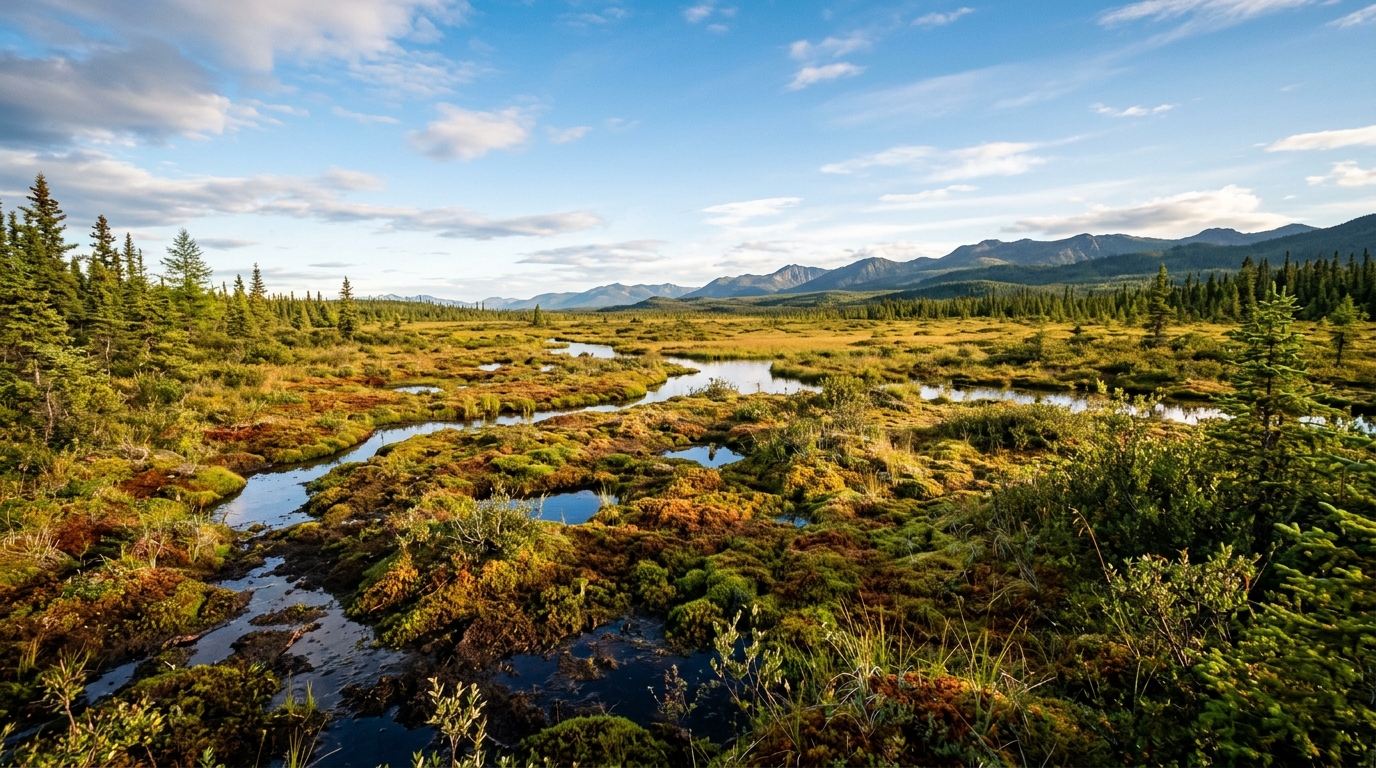
While BC’s forestry offset market draws institutional attention, the province’s vast northern peatlands represent an underexplored voluntary carbon asset. Indigenous communities with territorial rights may hold the most defensible long-term position in this emerging market.

Kai Anderson·6 months ago· 6 min read
Regulation as Revenue: How BC’s EPR Overhaul Is Building a Circular Economy Market
Sustainability

Regulation as Revenue: How BC’s EPR Overhaul Is Building a Circular Economy Market

Extended producer responsibility rules for packaging and paper products are shifting end-of-life compliance costs onto BC manufacturers and retailers, creating a durable, regulation-backed market for material recovery and reverse logistics. Service providers who act now stand to secure long-term contracts.

Kai Anderson·6 months ago· 5 min read
Vancouver Cleantech Investors Accelerate Capital Deployment Ahead of Federal Election
Sustainability

Vancouver Cleantech Investors Accelerate Capital Deployment Ahead of Federal Election

With a federal election underway, Vancouver's cleantech fund managers and founders are rushing to secure existing incentive structures before a new government's first budget resets the rules. BC's 400-plus cleantech companies face a 90–120 day window to finalize deals and maximize non-dilutive leverage.

Kai Anderson·6 months ago· 4 min read
Vertical Farming’s Second Act: BC Operators Rebuild After the Capital Collapse
Sustainability

Vertical Farming’s Second Act: BC Operators Rebuild After the Capital Collapse

The 2023 implosions of Bowery Farming and AppHarvest spooked institutional capital from controlled environment agriculture. A leaner cohort of BC operators is now rebuilding on fundamentally different economics—high-value crops, municipal food security contracts, and waste-heat co-location with data centres. For investors who understand the revised model, re-entry valuations are a fraction of the 2021 peak.

Kai Anderson·6 months ago· 6 min read
BC Salmon Farming Faces a High-Stakes Capital Transition
Sustainability

BC Salmon Farming Faces a High-Stakes Capital Transition

Federal mandates to remove open-net pen salmon farms have shifted from policy debate to a capital deployment reality. With 6,700 jobs and $1 billion in annual economic activity at stake, the next 18 months will determine if BC’s aquaculture industry evolves or exits.

Kai Anderson·6 months ago· 7 min read
BC’s Heat Pump Market Matures: Local Installers Capture New Margins
Sustainability

BC’s Heat Pump Market Matures: Local Installers Capture New Margins

After years of supply constraints and offshore dominance, BC’s heat pump ecosystem is reaching commercial scale. With over 80,000 rebates deployed and provincial incentives reaching $10,000 per home, the industry is shifting from subsidy-driven demand to durable, service-based business models.

Kai Anderson·6 months ago· 5 min read
Regenerative Agriculture Gains Traction in the Fraser Valley
Sustainability

Regenerative Agriculture Gains Traction in the Fraser Valley

A cohort of Fraser Valley producers is completing the first full cycle of soil carbon credit certification, unlocking a new revenue stream estimated at $40–$80 per acre annually. The emerging infrastructure for measurement and aggregation will define which farms capture value as the market matures.

Kai Anderson·6 months ago· 5 min read
BC’s EV Charging Gap: Why Infrastructure Is Failing to Keep Pace with 2035 Targets
Sustainability

BC’s EV Charging Gap: Why Infrastructure Is Failing to Keep Pace with 2035 Targets

British Columbia’s mandate for 100 per cent zero-emission vehicle sales by 2035 is driving rapid adoption, but the province’s charging infrastructure is lagging. For fleet operators and building managers, the resulting bottleneck is a significant operational hurdle—and for investors, a $2 billion market opportunity.

Kai Anderson·6 months ago· 7 min read
BC’s Geothermal Pivot: Why Indigenous-Led Projects Are Drawing Institutional Capital
Sustainability

BC’s Geothermal Pivot: Why Indigenous-Led Projects Are Drawing Institutional Capital

Infrastructure and pension funds, once wary of BC’s geothermal sector, are shifting toward deployment. Indigenous-led projects in the Stikine, Peace, and Kootenay regions are advancing from feasibility to project financing, setting the stage for a buildout that could mirror the province’s wind energy expansion.

Kai Anderson·6 months ago· 6 min read
The Carbon-Neutral Build Race: How BC’s Embodied Carbon Rules Are Reshaping Procurement
Sustainability

The Carbon-Neutral Build Race: How BC’s Embodied Carbon Rules Are Reshaping Procurement

BC’s Zero Carbon Step Code requirements are no longer a future compliance hurdle—they are actively reshaping project bids today. Contractors and developers prioritizing life-cycle assessment capabilities and low-carbon supply chains now are gaining a structural cost advantage ahead of the 2026 Phase 3 deadlines.

Kai Anderson·6 months ago· 5 min read
Blue Carbon Credits: BC’s Coastal Geography Becomes a Financial Asset
Sustainability

Blue Carbon Credits: BC’s Coastal Geography Becomes a Financial Asset

Kelp beds, eelgrass meadows, and tidal wetlands along BC’s 27,000-kilometre coastline are shifting from ecological resources to financial assets. As coastal First Nations and conservation trusts pursue Verra VM0033 certification, institutional capital is taking notice.

Kai Anderson·6 months ago· 6 min read
BC’s Circular Economy Mandate Reshapes a $400M Commercial Waste Industry
Sustainability

BC’s Circular Economy Mandate Reshapes a $400M Commercial Waste Industry

New BC extended producer responsibility regulations taking effect in 2026 are expanding obligated materials to include textiles and packaging composites, while commercial organics face stricter disposal bans. For operators who move first on collection and sorting infrastructure, the compliance market and the secondary materials economy offer a significant growth opportunity.

Kai Anderson·6 months ago· 5 min read
BC’s Land-Based Aquaculture Sector Attracts Institutional Capital Amid Open-Net Phase-Out
Sustainability

BC’s Land-Based Aquaculture Sector Attracts Institutional Capital Amid Open-Net Phase-Out

Federal policy mandating the end of open-net salmon farming by 2029 is accelerating a shift toward land-based recirculating aquaculture systems. For investors, the sector is moving from speculative cleantech to a capital-deployable asset class.

Kai Anderson·6 months ago· 6 min read
BC’s Hydrogen Highway Reaches an Economic Inflection Point
Sustainability

BC’s Hydrogen Highway Reaches an Economic Inflection Point

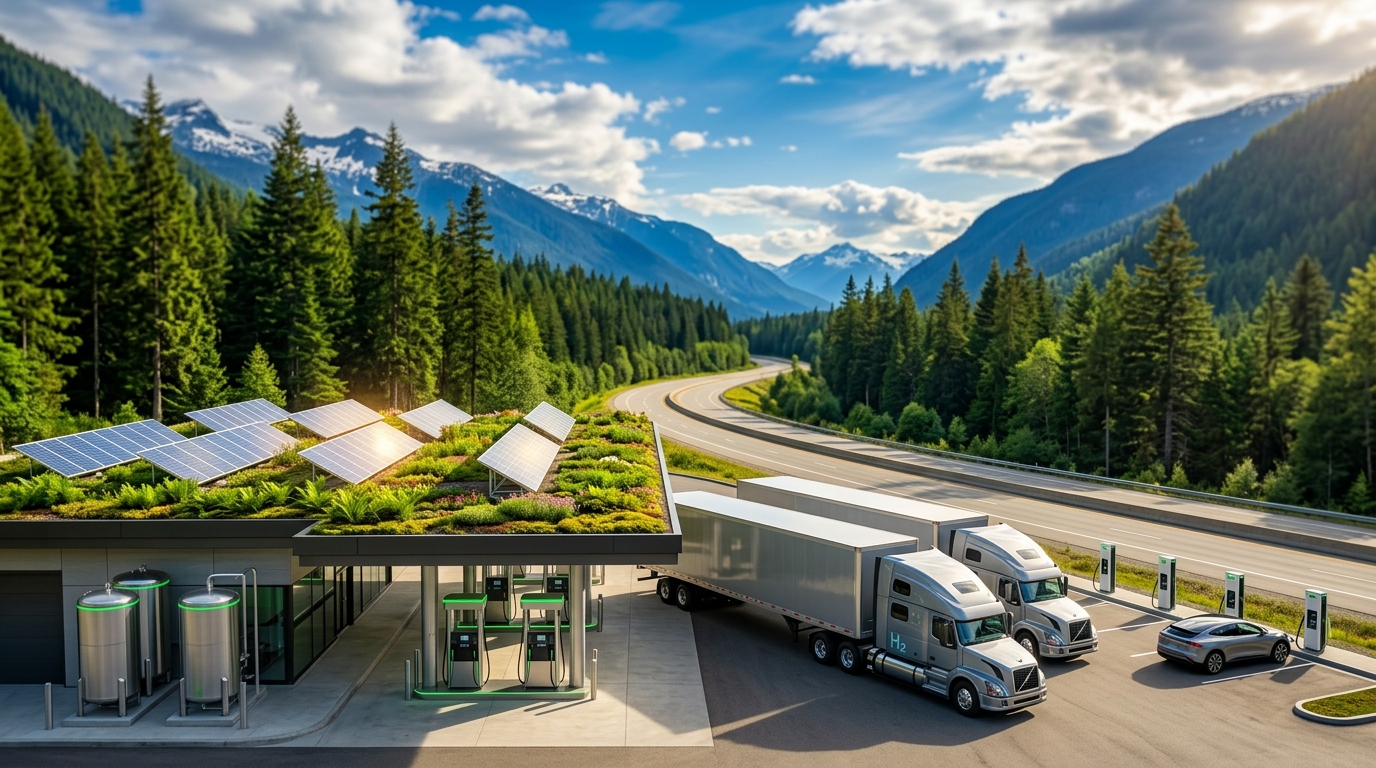
A cluster of hydrogen fuelling stations along the Trans-Canada and Coquihalla corridors is approaching commercial viability, supported by federal Clean Fuel Regulations credits and provincial CleanBC grants. For BC fleet operators, the focus has shifted from sustainability reporting to capital planning.

Kai Anderson·6 months ago· 6 min read
BC’s Carbon Compliance Market Tightens as Industrial Emitters Face Rising Costs
Sustainability

BC’s Carbon Compliance Market Tightens as Industrial Emitters Face Rising Costs

British Columbia’s Output-Based Pricing System is entering a compliance crunch: benchmark stringency is rising faster than industrial operators are cutting emissions, and the supply of eligible offsets remains constrained. For project developers, this gap presents a commercial opportunity underpinned by a government-mandated demand floor.

Kai Anderson·6 months ago· 5 min read
The Wildfire Insurance Gap: A Quiet Crisis for BC’s Interior Business Corridors
Sustainability

The Wildfire Insurance Gap: A Quiet Crisis for BC’s Interior Business Corridors

As BC’s 2026 wildfire season approaches with below-average snowpack, commercial property insurers are tightening coverage in interface zones. This shift is creating a financing and leasing bottleneck that threatens business viability across the Interior before the first fire ignites.

Kai Anderson·6 months ago· 5 min read
The Retrofit Economy: BC’s CleanBC Incentives Create a $900M Contractor Opportunity
Sustainability

The Retrofit Economy: BC’s CleanBC Incentives Create a $900M Contractor Opportunity

CleanBC’s deep retrofit programs face a critical delivery bottleneck: a shortage of skilled tradespeople and energy advisers. For firms capable of scaling now, this government-backed demand curve offers a multi-year pipeline of guaranteed work.

Kai Anderson·6 months ago· 5 min read
Blue Carbon: How BC’s Coastal First Nations Are Shaping a New Asset Class
Sustainability

Blue Carbon: How BC’s Coastal First Nations Are Shaping a New Asset Class

British Columbia’s 27,000-kilometre coastline and a growing body of Indigenous stewardship agreements are positioning the province as a leader in blue carbon credit development. As methodology frameworks mature and corporate buyers seek high-integrity offsets, early BC-registered projects could define a new voluntary carbon market asset class.

Kai Anderson·6 months ago· 6 min read
BC’s Clean Electricity Is a Trade Asset—If Industry Can Prove It
Sustainability

BC’s Clean Electricity Is a Trade Asset—If Industry Can Prove It

As U.S. tariffs pressure BC exporters, the province’s renewable power grid offers a potential competitive edge in carbon-conscious markets. However, translating that advantage into pricing power requires rigorous emissions documentation that many firms have yet to implement.

Kai Anderson·6 months ago· 5 min read
The Climate Disclosure Countdown: BC Firms Face a New Regulatory Reality
Sustainability

The Climate Disclosure Countdown: BC Firms Face a New Regulatory Reality

Mandatory climate-related financial disclosures are now binding for TSX-listed issuers, with the first compliant reports due in 2027. With fewer than 40% of mid-cap Canadian firms currently prepared, Vancouver’s 1,100-plus listed companies face a critical window to align their reporting with international standards.

Kai Anderson·6 months ago· 5 min read
Passive House Moves to the Pro Forma: Why Vancouver Developers Are Prioritizing Energy Performance
Sustainability

Passive House Moves to the Pro Forma: Why Vancouver Developers Are Prioritizing Energy Performance

Mid-market Metro Vancouver developers are increasingly pursuing Passive House certification to secure financing advantages. With the CMHC’s MLI Select program and tightening BC Step Code requirements, high-performance building is shifting from a niche sustainability goal to a core risk-mitigation strategy.

Kai Anderson·6 months ago· 5 min read
Landfill Fee Hike Turns BC Construction Waste Into a Viable Market
Sustainability

Landfill Fee Hike Turns BC Construction Waste Into a Viable Market

Provincial landfill tipping fee increases effective April 1, 2026, have shifted the economics of construction material recovery in Metro Vancouver. With 700,000 tonnes of waste generated annually, local circular economy startups now have a regulation-backed revenue stream.

Kai Anderson·6 months ago· 5 min read
The Micro-Grid Pivot: Why Metro Vancouver Industrial Parks Are Investing in Behind-the-Meter Power
Sustainability

The Micro-Grid Pivot: Why Metro Vancouver Industrial Parks Are Investing in Behind-the-Meter Power

Federal tax credits and falling battery costs are reshaping the economics of industrial micro-grids. With BC Hydro’s interconnection queue stretching beyond 24 months, power availability is becoming a critical leasing advantage.

Kai Anderson·6 months ago· 5 min read
The Net-Zero Procurement Playbook: How Vancouver Mid-Market Firms Are Winning Contracts
Sustainability

The Net-Zero Procurement Playbook: How Vancouver Mid-Market Firms Are Winning Contracts

Scope 3 emissions disclosure has quietly become a vendor qualification threshold for federal contracts and major Canadian financial institutions. Metro Vancouver firms that completed credible carbon accounting in 2024 are now closing deals their competitors cannot access.

Kai Anderson·7 months ago· 5 min read
BC Ferries Electrification Opens Procurement Window for Local Clean-Tech Suppliers
Sustainability

BC Ferries Electrification Opens Procurement Window for Local Clean-Tech Suppliers

BC Ferries' 2040 zero-emission commitment is shifting from strategy to active procurement, creating a significant opportunity for local marine and clean-tech firms. With shore-power infrastructure and battery management systems now in market, the Crown corporation’s program offers a defined timeline and federal guidelines that favour Canadian suppliers.

Kai Anderson·7 months ago· 5 min read
Blue Carbon: BC’s Coastal Nations Lead a New Asset Class
Sustainability

Blue Carbon: BC’s Coastal Nations Lead a New Asset Class

With Verra’s updated methodology now in effect, British Columbia’s coastal First Nations are advancing Canada’s first verified blue carbon projects. For Vancouver’s carbon finance and legal sectors, the advisory opportunity is significant and expanding.

Kai Anderson·7 months ago· 6 min read
BC’s Organics Mandate Hits Enforcement Phase: What Metro Vancouver Businesses Need to Know
Sustainability

BC’s Organics Mandate Hits Enforcement Phase: What Metro Vancouver Businesses Need to Know

Municipal bylaw officers are now issuing compliance orders to food businesses lacking certified organics diversion contracts. With fines reaching up to $10,000 for repeat offences, the pressure is on—creating a critical procurement window for waste-to-value operators.

Kai Anderson·7 months ago· 5 min read
The Invisible Dividend: How BC’s Carbon Credits Are Funding Indigenous Stewardship
Sustainability

The Invisible Dividend: How BC’s Carbon Credits Are Funding Indigenous Stewardship

First Nations communities across British Columbia are generating seven-figure annual revenues through improved forest management carbon protocols. As global demand for high-quality offsets grows, this emerging asset class is creating a new, durable market for Vancouver’s financial and legal services sector.

Kai Anderson·7 months ago· 6 min read
BC’s Hydrogen Highway: Private Capital Moves to Commercialize the Corridor
Sustainability

BC’s Hydrogen Highway: Private Capital Moves to Commercialize the Corridor

Private operators are commissioning British Columbia’s first commercial hydrogen fuelling stations along the Highway 1 corridor. With federal tax credits lowering the barrier to entry, fleet operators are now facing a critical window to secure early offtake agreements.

Kai Anderson·7 months ago· 6 min read
The Retrofit Rush: BC’s Building Emissions Deadlines Create a New Class of Specialist Contractor
Sustainability

The Retrofit Rush: BC’s Building Emissions Deadlines Create a New Class of Specialist Contractor

Vancouver’s compliance clock on commercial building emissions is generating a durable, policy-backed revenue pipeline for retrofit specialists. Firms scaling certified capacity are locking in multi-year backlogs, though labour shortages and equipment lead times remain the primary constraints on market velocity.

Kai Anderson·7 months ago· 5 min read
Gridlock to Growth: How Vancouver Firms Are Navigating BC’s Electrification Bottleneck
Sustainability

Gridlock to Growth: How Vancouver Firms Are Navigating BC’s Electrification Bottleneck

As industrial operators race to meet federal and provincial clean fuel mandates, BC Hydro’s interconnection queue has become a critical constraint. A growing cohort of Vancouver-based energy management firms is turning this challenge into a commercial opportunity by optimizing industrial load profiles.

Kai Anderson·7 months ago· 5 min read
BC Hydro’s V2G Pilot Enters Phase 2: Turning Idle Electric Fleets Into Revenue
Sustainability

BC Hydro’s V2G Pilot Enters Phase 2: Turning Idle Electric Fleets Into Revenue

BC Hydro’s vehicle-to-grid pilot is expanding its second phase with Metro Vancouver fleet operators. Early projections suggest participating fleets could offset a portion of annual energy costs by selling stored power back to the grid, potentially transforming electric vehicles from a capital expense into a recurring revenue stream.

Kai Anderson·7 months ago· 5 min read
Decarbonising the Port: BC Firms Target Green Methanol as IMO Compliance Tightens
Sustainability

Decarbonising the Port: BC Firms Target Green Methanol as IMO Compliance Tightens

The Port of Vancouver handles $550 million in daily trade, and new international emissions standards are forcing a shift in marine fuel. For BC energy suppliers and engineering firms, the transition to green methanol is opening a significant new contract pipeline.

Kai Anderson·7 months ago· 5 min read
BC’s Hydrogen Highway: Why Industrial Operators Are Moving Now
Sustainability

BC’s Hydrogen Highway: Why Industrial Operators Are Moving Now

Fraser Valley manufacturers are making hydrogen procurement decisions that will define their competitive position for the next decade. With federal Clean Fuel Regulations tightening in 2026, the cost math is shifting from theoretical to urgent.

Kai Anderson·7 months ago· 5 min read
Prefabricated Construction Is Making Passive House Projects Financially Viable in BC
Sustainability

Prefabricated Construction Is Making Passive House Projects Financially Viable in BC

BC-based prefab builders have reduced Passive House construction premiums to 8–12% above conventional costs. With the 2027 BC Step Code deadline approaching, developers and municipalities are increasingly turning to modular solutions to meet emissions targets while maintaining budget discipline.

Kai Anderson·7 months ago· 5 min read
The Retrofitters: How Metro Vancouver Landlords Are Turning CleanBC Deadlines Into Revenue
Sustainability

The Retrofitters: How Metro Vancouver Landlords Are Turning CleanBC Deadlines Into Revenue

Metro Vancouver commercial landlords are finding that deep energy retrofits, when structured correctly, drive measurable NOI gains through reduced operating costs and premium lease rates. With federal funding maturing and ESG-linked financing available, the economics of early action are increasingly outpacing the cost of waiting.

Kai Anderson·7 months ago· 7 min read
Vancouver’s Carbon Finance Hub: A Race to Build the Market’s Infrastructure
Sustainability

Vancouver’s Carbon Finance Hub: A Race to Build the Market’s Infrastructure

Vancouver’s unique combination of Indigenous land tenure, forestry expertise, and capital markets depth positions it to lead Canada’s maturing carbon trading sector. For local brokers and legal firms, the opportunity to define the market is significant, provided they can scale infrastructure ahead of national competition.

Kai Anderson·7 months ago· 6 min read
Beyond Price: Why BC Hydro’s 2026 Clean Energy Call Demands a New Strategy
Sustainability

Beyond Price: Why BC Hydro’s 2026 Clean Energy Call Demands a New Strategy

BC Hydro’s 2026 Clean Energy Call is underway, offering a significant revenue opportunity for the province’s energy sector. However, developers focusing solely on tariff pricing are missing the mark. With Indigenous partnerships and community benefits now carrying decisive weight in the scoring matrix, success requires more than just a competitive bid.

Kai Anderson·7 months ago· 5 min read
Mosaic's Koksilah Pilot Treats Land as a Portfolio. BC's Forestry Sector Is Watching Closely.
Sustainability

Mosaic's Koksilah Pilot Treats Land as a Portfolio. BC's Forestry Sector Is Watching Closely.

Mosaic Forest Management is running a multi-year pilot in the Cowichan region that layers carbon credits and additional revenue streams onto a single timber tenure. If the numbers hold, it could become the most replicable business-model innovation BC's resource sector has seen in a generation.

Kai Anderson·7 months ago· 5 min read
Vancouver's Green-Building Edge Is Being Dismantled From the Inside
Sustainability

Vancouver's Green-Building Edge Is Being Dismantled From the Inside

A 14% budget cut to Vancouver's Planning, Urban Design and Sustainability department threatens two decades of green-building leadership — just as federal clean-economy money accelerates and rival cities compete for the same projects and talent. More than 100 businesses have gone on record opposing the move. The economic cost could be measured in deals that land elsewhere.

Kai Anderson·7 months ago· 5 min read