In late June 2021, a stationary high-pressure system pushed temperatures in Lytton, BC, to 49.6°C—a figure previously considered incompatible with the Canadian climate. The heat claimed 619 British Columbians, primarily the elderly and low-income residents living in uninsulated dwellings. In retrospect, the disaster was not merely a weather event; it was an infrastructure failure.
Five years later, the business response to that failure is accelerating. Passive cooling retrofits, green roofing systems, district cooling networks, and heat-resilient building envelopes have shifted from niche specifications to active procurement categories, driven by municipal policy, provincial incentives, and the actuarial reality that a building without cooling is now a liability.
The demand signal is clear
BC Hydro's summer peak demand data shows a sustained upward trend in cooling load since 2021, reflecting the installation of new air conditioning and heat pump systems alongside the broader electrification of space cooling. The utility has identified summer peaks as a growing grid management challenge, making passive cooling systems—which reduce electrical demand—commercially attractive beyond their environmental benefits.
CleanBC's heat pump incentive program has processed a significant volume of applications since 2021, with uptake accelerating each summer. The program's rebate structure has effectively subsidised the scaling of a contractor ecosystem now positioned for larger commercial and institutional contracts.
The municipal procurement pipeline
The City of Vancouver's heat resilience and urban heat island mitigation strategy provides a structured procurement signal. The city has committed to retrofitting public buildings with cooling capacity and expanding its network of cooling centres, increasingly replacing temporary measures with permanent infrastructure in community centres, libraries, and seniors' facilities.
Metro Vancouver's regional heat action plan extends these commitments across 21 municipalities, focusing on urban heat island reduction through green infrastructure, including tree canopy expansion, cool pavement pilots, and green roofing mandates on new civic construction. For roofing contractors and landscape architects with heat mitigation experience, this pipeline represents a durable source of institutional work.
The Canada Mortgage and Housing Corporation has also updated its design guidelines for new construction to incorporate heat resilience requirements. Projects seeking CMHC financing or insurance on multi-unit residential buildings must increasingly demonstrate passive cooling performance—a shift that rewards engineers and contractors who have already developed this competency.
Early movers in the market
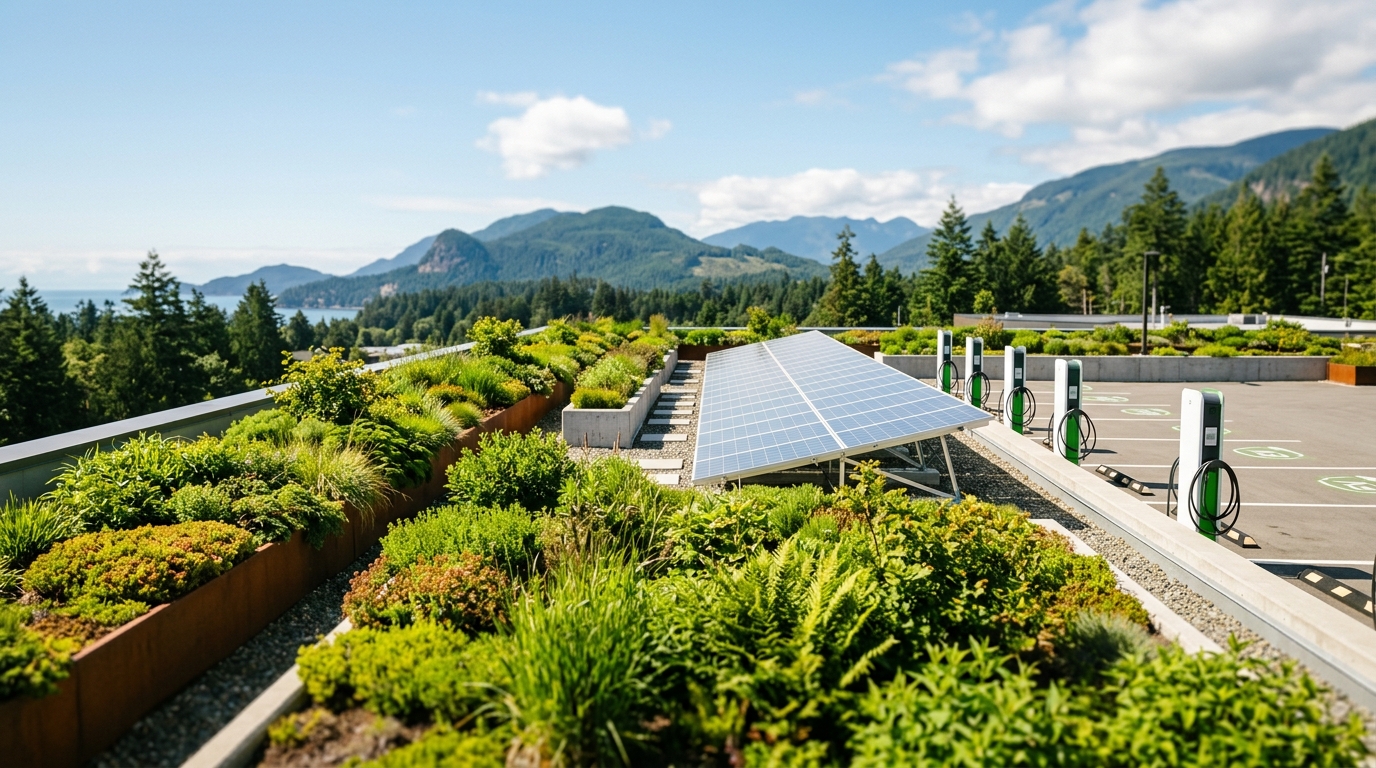
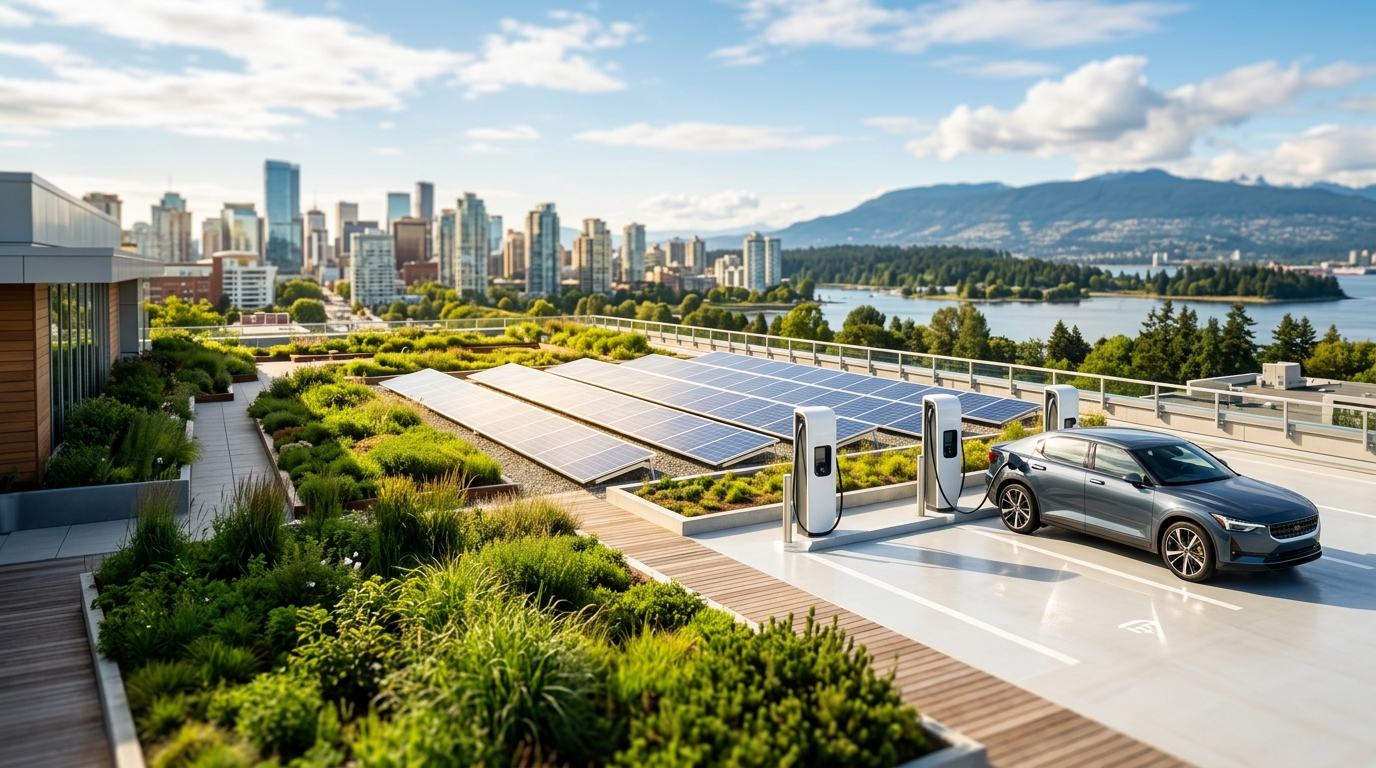
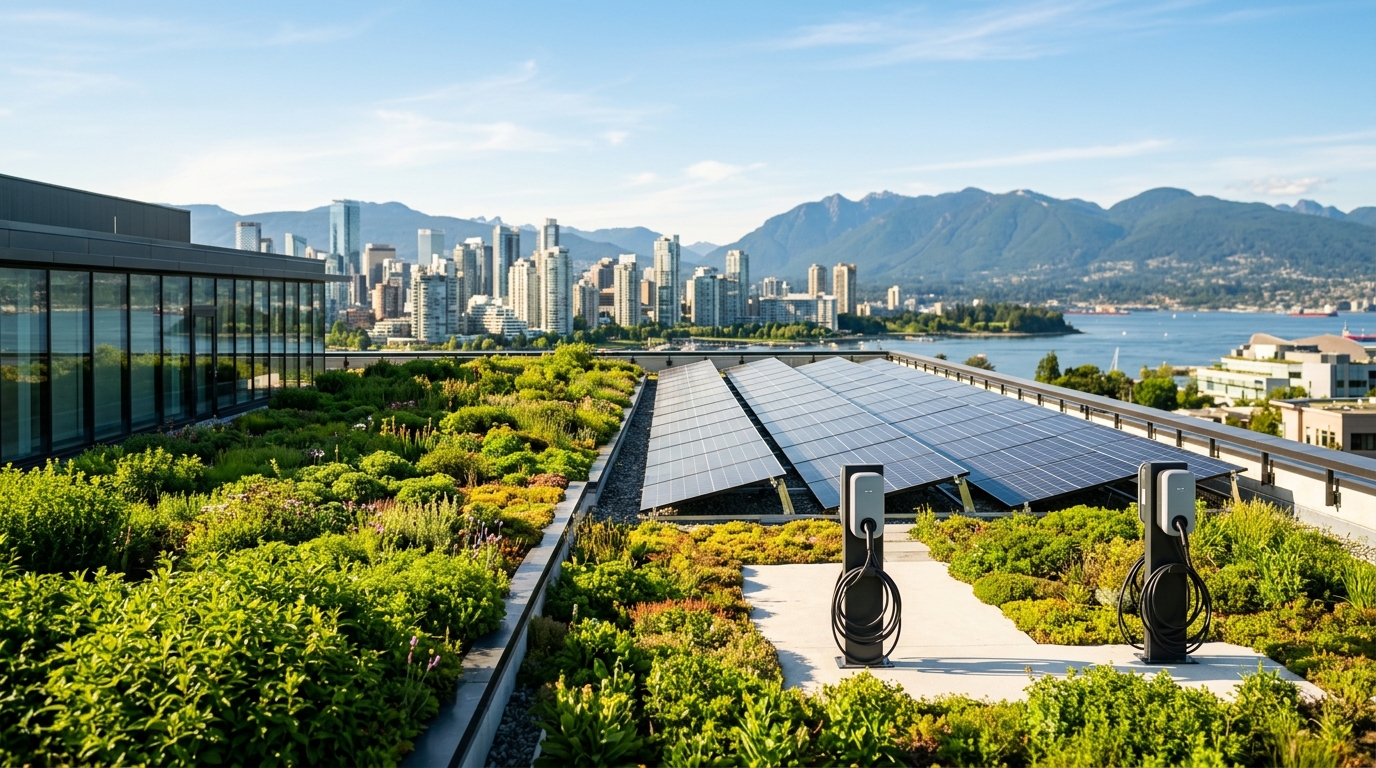
BC firms are clustering around three technical categories. Passive cooling—including building envelope upgrades, external shading, and high-performance glazing—is the most broadly applicable. Green and cool roofing systems address urban heat island effects while delivering energy savings that can be monetised through performance contracts. District cooling networks, which circulate chilled water from a central plant, offer the lowest long-run operating cost per square foot, an argument that resonates with institutional owners managing large portfolios.
The retrofit market is particularly active. Metro Vancouver's existing commercial stock, much of it built before heat resilience was a design priority, represents a significant addressable market. Firms with credentialled projects from the past three years are entering the current procurement cycle with reference cases that new entrants cannot easily replicate.
Reality check: pledges versus actions
A gap remains between announced commitments and completed infrastructure. Many municipal strategies remain in the planning phase, with capital budgets allocated but projects not yet tendered. While the CleanBC incentive program has driven residential heat pump adoption, commercial and multi-unit residential segments have seen slower uptake due to split-incentive issues between landlords and tenants.
Engineering constraints also persist. BC lacks a deep bench of firms with large-scale district cooling design-build experience. While existing systems in downtown Vancouver and at UBC have established a base of expertise, workforce development must keep pace with procurement ambition to avoid delays.
The competitive logic
Heat resilience is following the adoption curve of seismic retrofits and energy efficiency upgrades: a triggering event, a policy response, slow initial market formation, and an accelerating procurement cycle as compliance and insurance pressures concentrate demand. Firms that built track records in seismic retrofits during the 2010s captured a disproportionate share of the institutional market. A similar trajectory is visible for cooling infrastructure five years after the event that made the investment case undeniable.
For BC contractors, engineers, and building product manufacturers, the question is no longer whether this market will scale. The question is whether technical, financial, and workforce capacity will be in place when the procurement wave arrives.