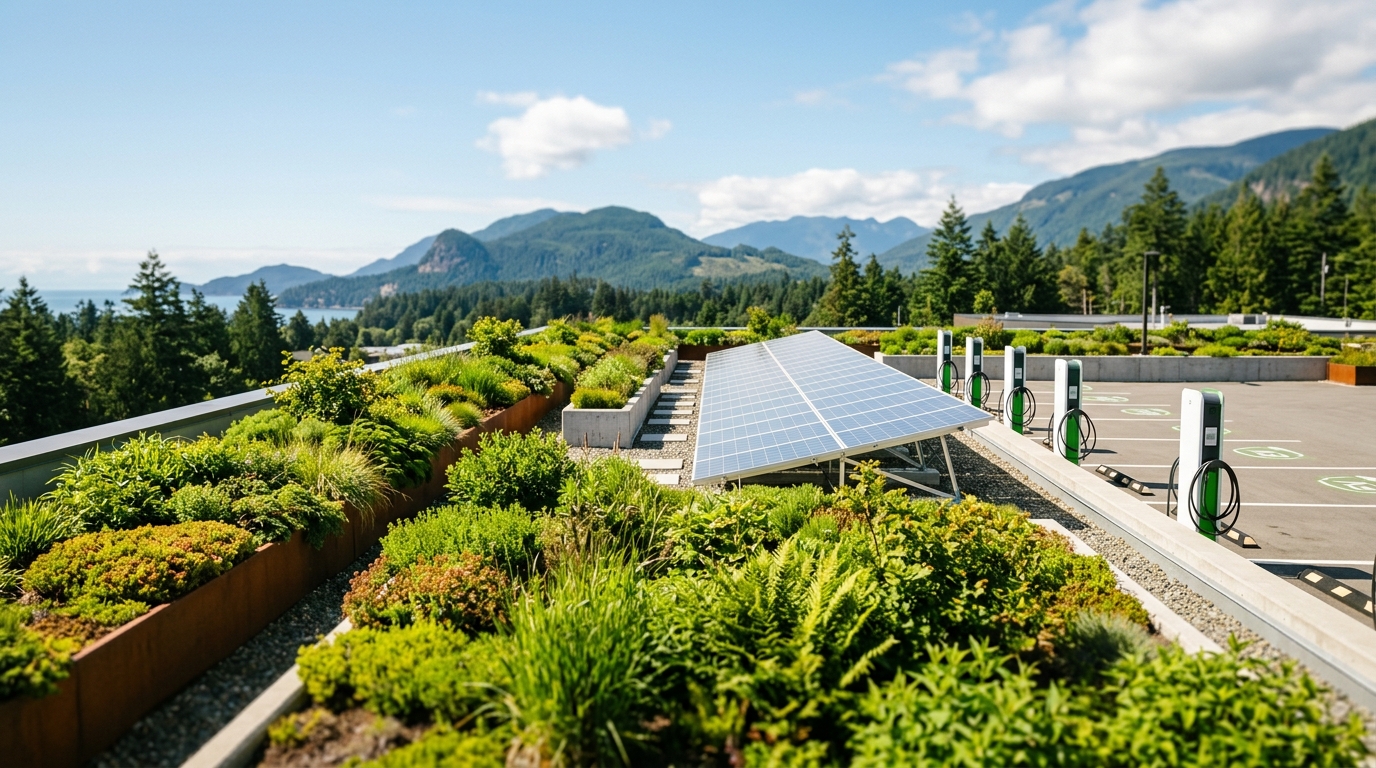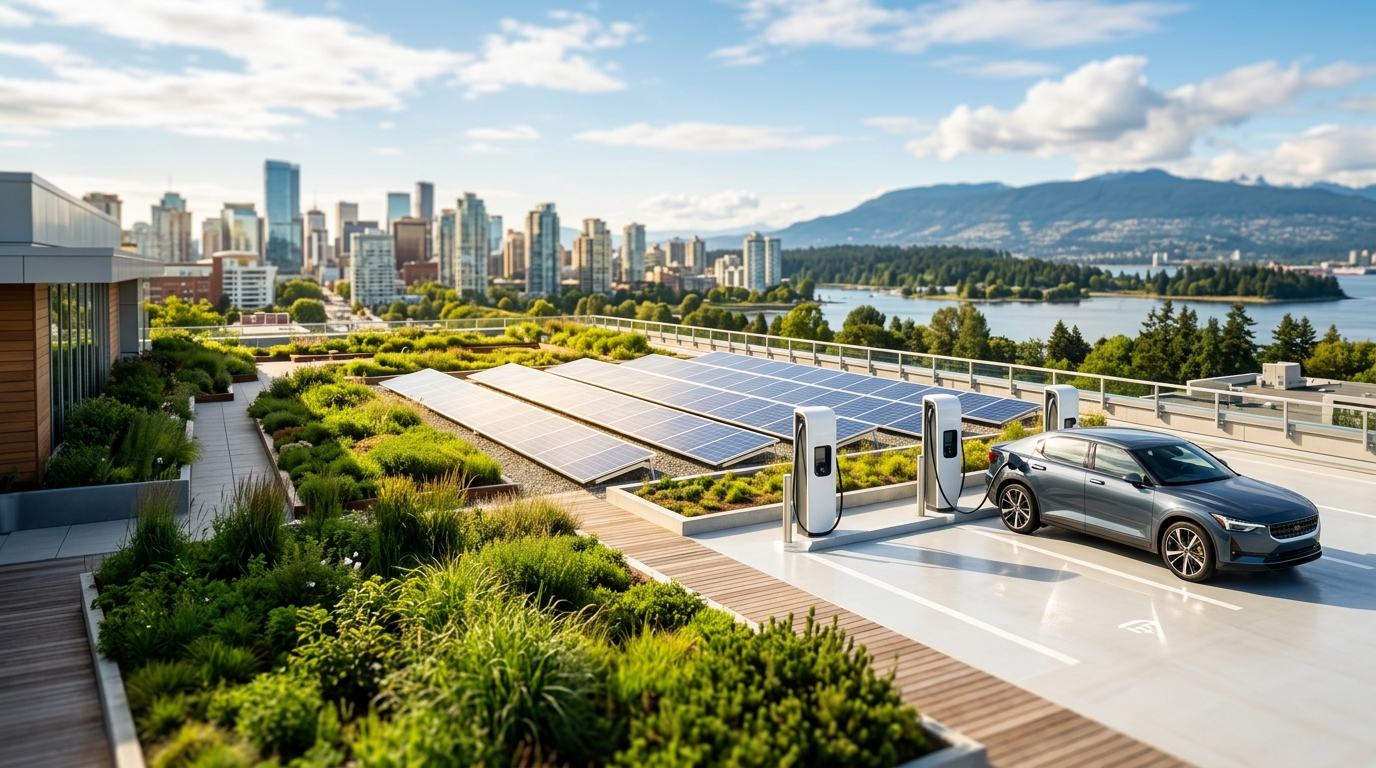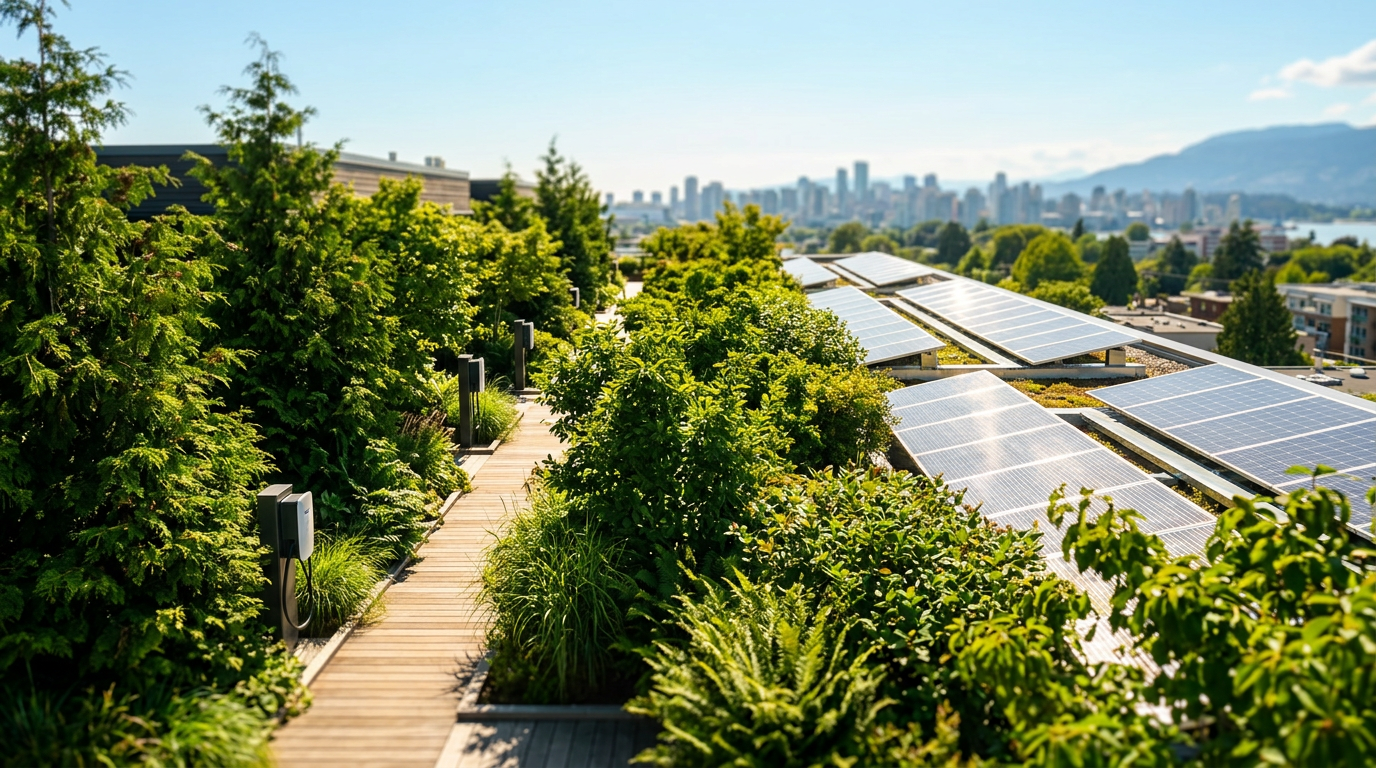
Vancouver has spent roughly two decades building a green-building reputation that functions as a deal-flow engine — attracting premium development projects, sustainability-focused capital, and the specialised talent that makes both possible. That reputation is now being quietly eroded by a line item in the City of Vancouver's 2026 Approved Budget: a 14% reduction — from $40.4 million to $34.9 million — to the Planning, Urban Design and Sustainability department, the institutional core of everything the city built.
The timing is notable. The federal government is accelerating clean-economy investment across Canada. Calgary, Toronto, and Seattle are all competing aggressively for green-sector projects and the firms that deliver them. Vancouver is cutting the department that processes green-building approvals, shapes sustainability policy, and holds two decades of institutional knowledge. That knowledge does not transfer to a spreadsheet when people leave.
More than 100 Vancouver businesses and industry organisations have gone on record opposing the cuts, according to a public letter coordinated by Passive House Canada and co-signed by groups including the Canada Green Building Council's BC Chapter and the Urban Development Institute BC. Their core argument is not environmental — it is economic. Slower approvals add carrying costs. Lost expertise means policy stagnation. Both translate directly into projects that get pencilled into other cities' pipelines instead of Vancouver's.
The city's stated rationale is fiscal restraint. Vancouver's 2026 budget is navigating significant cost pressures — including labour agreements, infrastructure obligations, and a constrained property-tax environment — and the Planning, Urban Design and Sustainability department was not exempted from reductions applied broadly across civic operations. That context matters: this is not a targeted attack on sustainability policy, but a blunt fiscal instrument applied to a department whose work carries outsized competitive implications.
That distinction may offer little comfort to firms in the green-building supply chain. Passive House-certified projects, mass-timber developments, and deep-energy-retrofit programs all depend on a permitting and policy environment staffed by people who understand the technical specifications involved. A generalist planner reviewing a Passive House envelope assembly for the first time is not a substitute for an experienced one. Approval timelines lengthen. Developers absorb the cost. Some decide the math works better in Edmonton or Kelowna.
Who absorbs the upside if Vancouver steps back
The opportunity angle runs in two directions. Firms with the internal expertise to navigate a slower, less specialised approval process gain a relative advantage over smaller developers who relied on city staff for technical guidance. That is a consolidation dynamic — not a healthy market signal, but a predictable one.
The larger opportunity flows to competing jurisdictions. Calgary has been investing in its own sustainability planning capacity and actively recruiting clean-economy firms. Toronto's green-building pipeline — already substantial — stands to benefit from any signal that Vancouver's process is becoming slower or less certain. Seattle, operating under Washington State's aggressive clean-building standards, offers a regulatory environment that sophisticated sustainability developers already know how to navigate.
Federal clean-economy funding programs, including those flowing through the Canada Infrastructure Bank and the Natural Resources Canada green buildings initiative, are structured around project readiness and municipal capacity. Cities that can demonstrate fast, technically competent approvals are better positioned to attract the projects those funds support. Vancouver's capacity to make that case just became less credible.
What reversal would require
The cuts are embedded in an approved budget, which means reversal requires either a mid-year reallocation — politically difficult — or a 2027 budget correction that explicitly rebuilds sustainability planning capacity. The latter is achievable, but only if the business community maintains sustained pressure and frames the argument in the language that moves council: deal flow, tax base, and competitive positioning against other Canadian cities.
The 100-plus businesses already on record provide a foundation. The stronger argument is quantitative — what is the dollar value of green-building projects in Vancouver's current pipeline, and what share of that pipeline depends on the institutional expertise now being cut? That analysis does not appear to exist publicly, and it is the number that should be driving this conversation.
Vancouver's green-building edge was not built by accident. It was built by sustained investment in people, policy, and process over two decades. It can be rebuilt — but institutional knowledge, once dispersed, takes years to reconstitute. The city is making a fiscal decision with a much longer economic tail than the budget document acknowledges.