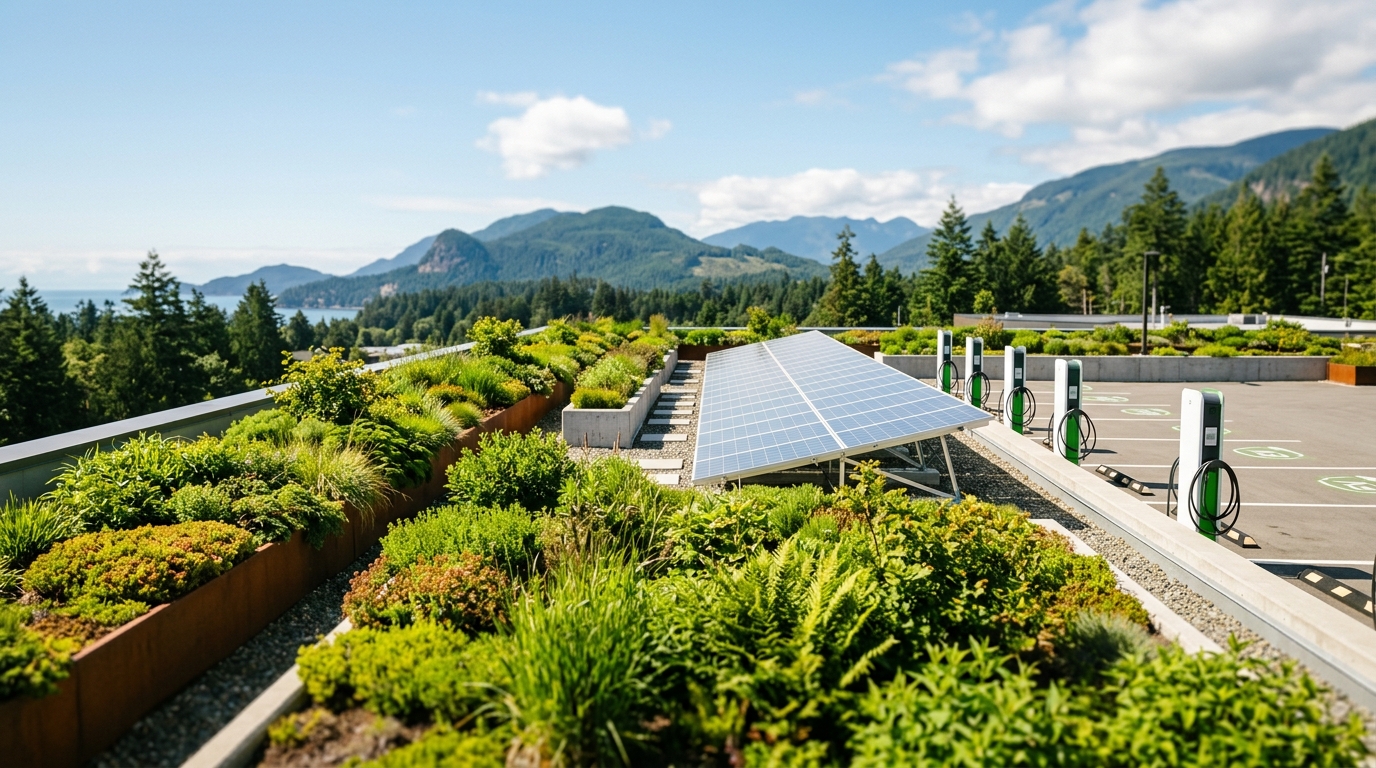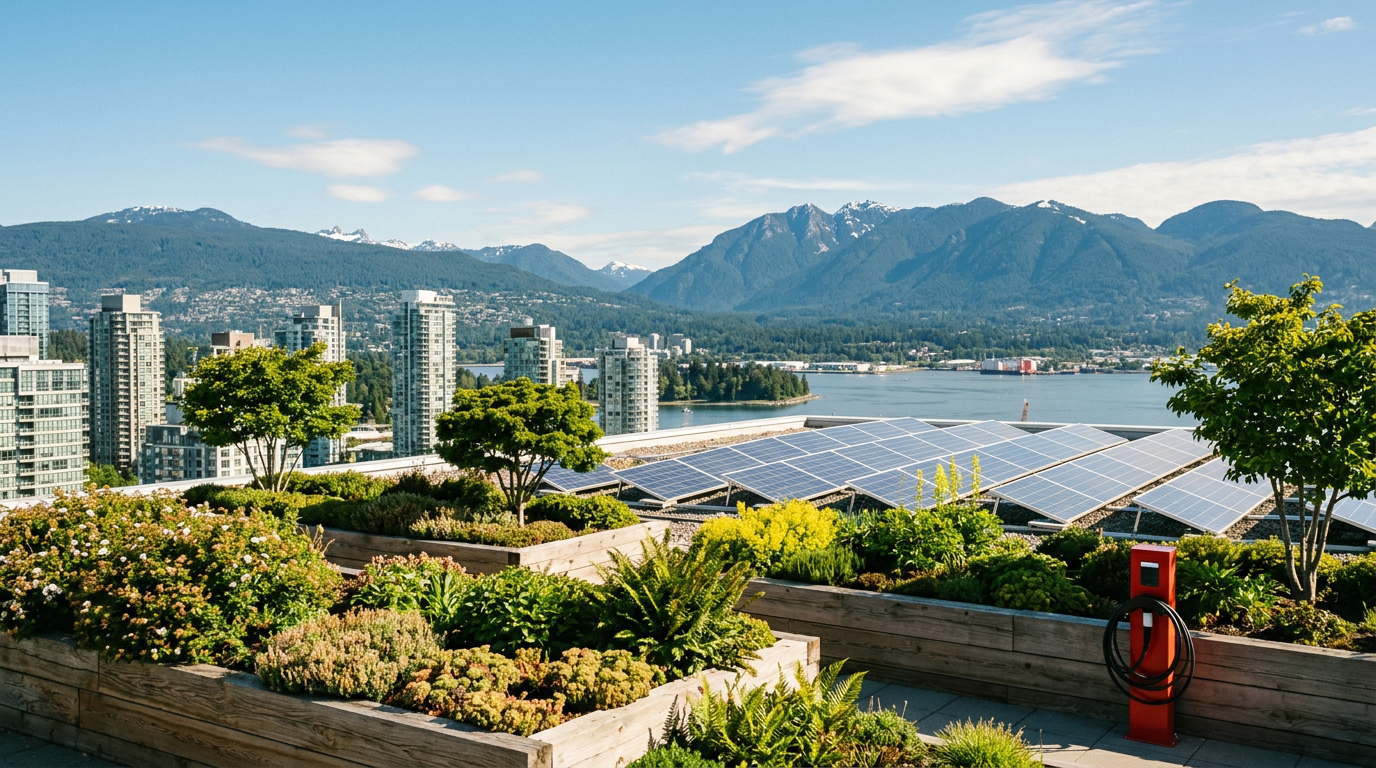
The numbers are shifting. While the global voluntary carbon market reached a milestone of over USD $2 billion in 2021 and 2022, it contracted to under $1 billion in 2023. Canada's domestic share remains thin relative to its land base—one of the largest carbon-sequestering landscapes on the planet. That gap represents a multi-billion-dollar opportunity for the right intermediaries. Vancouver's emerging carbon finance community is betting on that potential.
The structural case for Vancouver as Canada's carbon trading hub rests on three advantages: proximity to the largest concentration of Indigenous-held and co-managed forest tenure in the country, a capital markets community with an appetite for climate-linked instruments, and BC's carbon tax, currently set at $95 per tonne. That price signal, in place since 2008, has trained a generation of local finance and legal professionals to treat carbon as a priced commodity.
Climate finance practitioners observe that BC’s regulatory architecture is distinct. The province's compliance system and voluntary market infrastructure have developed in parallel, creating a more sophisticated buyer-seller ecosystem than exists elsewhere in the country.
The Indigenous land tenure advantage
The most durable competitive advantage is geographic and relational. Nature-based solutions projects, which generate carbon credits through forest conservation, reforestation, and wetland protection, require land with credible tenure and communities with the governance capacity to steward long-duration projects. British Columbia possesses both in significant concentration.
The First Nations Major Projects Coalition has been building the project development and legal capacity within Indigenous communities to structure these deals as project proponents, credit issuers, and revenue recipients. This shift is critical to corporate net-zero buyers, who are increasingly scrutinising the provenance and co-benefits of their purchases. A credit backed by a First Nation with clear tenure, a verified conservation plan, and community benefit-sharing provisions commands a premium over commodity offsets sourced from opaque registries.
Vancouver law firms and boutique brokers are positioning around this dynamic. The intermediation play—connecting Indigenous project developers with corporate buyers and institutional capital—requires cross-disciplinary fluency in Indigenous law, securities regulation, environmental science, and structured finance.
The policy catalyst
BC's nature-based solutions policy framework, currently in development at the Ministry of Environment and Climate Change Strategy, is the near-term catalyst practitioners are watching. If the province formalises a crediting methodology for forest and wetland projects that aligns with federal compliance requirements, it would accelerate deal flow by reducing the legal and verification costs that currently make smaller projects uneconomical.
The federal picture adds urgency. Environment and Climate Change Canada's federal carbon pricing framework applies a compliance backstop to provinces without equivalent systems. BC's pre-existing architecture means local firms operate in a more mature regulatory environment than counterparts in other provinces. That head start is an asset, provided local intermediaries move before national players, particularly Toronto's financial institutions, decide the market is large enough to build their own carbon desks.
Reality check: pipeline versus promises
The opportunity is real, but execution risk remains. Carbon markets globally have faced credibility crises regarding verification standards, with several high-profile voluntary credit methodologies challenged or retired after independent audits found overstated sequestration claims. BC projects are not immune. The BC Securities Commission has issued guidance on voluntary carbon market instruments, a signal that regulatory scrutiny is increasing alongside capital interest.
Deal flow velocity remains constrained by capacity. Indigenous communities evaluating carbon project proposals require independent legal and technical advisors who understand both the opportunity and the long-duration obligations involved. Rushing tenure holders into poorly structured agreements would be both ethically problematic and commercially self-defeating.
The infrastructure play
The market requires the underlying plumbing: brokers to price and match credits, legal firms to structure tenure agreements, verification specialists to certify sequestration claims, and capital allocators to finance project development. Each role represents a durable, fee-generating business.
Research from the Canadian Climate Institute has highlighted the gap between Canada's theoretical carbon sequestration capacity and the market infrastructure needed to monetise it. Closing that gap is a capital markets opportunity with a clear first-mover premium. Currently, the firms best placed to claim it are in Vancouver, not Bay Street.
The window is open. The question is whether local brokers, legal practices, and project developers will build the infrastructure fast enough to own the category before national players arrive with larger balance sheets and less nuanced understanding of what makes a BC nature-based credit valuable.