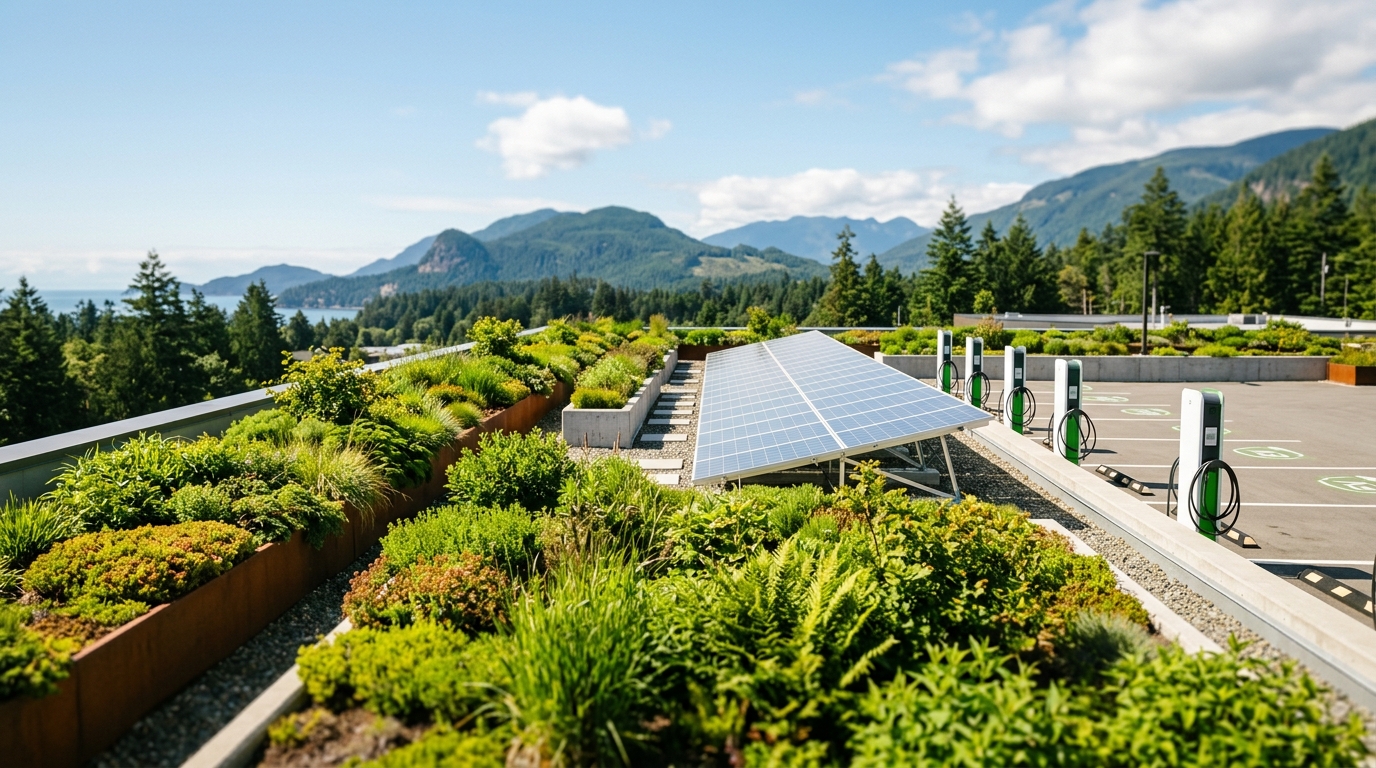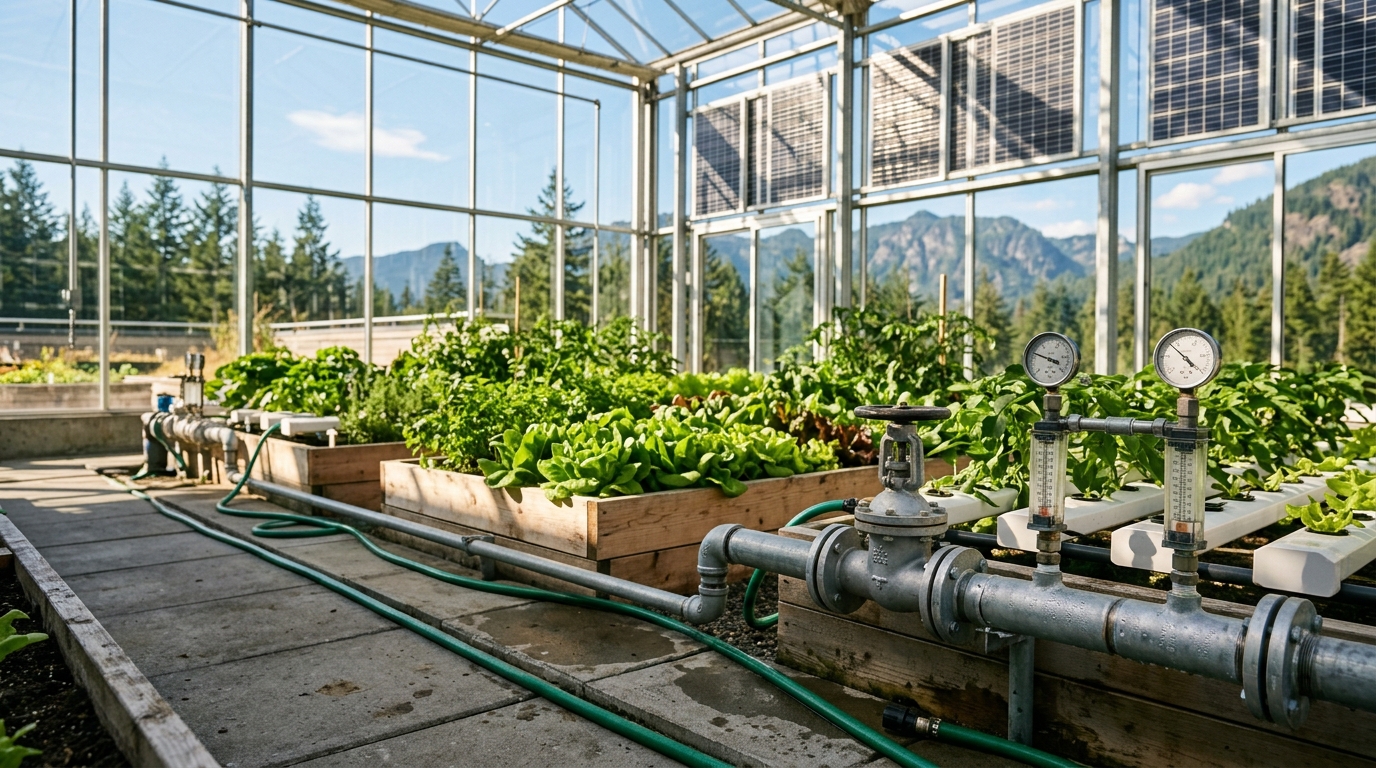
Before a data centre is built, a run-of-river turbine spins, or a controlled-environment greenhouse draws its first litre, there is a queue. In British Columbia, that queue is lengthening, quietly reshaping where capital flows.
Routine amendments to water licences under BC's Water Sustainability Act now average 18 to 24 months to process at the Ministry of Forests' Water Stewardship Division. This wait time does not apply to contested applications or major new diversions; it is the current backlog for amendments—changes to flow rates, intake locations, or seasonal timing that are, by regulatory definition, routine.
The management system relies on a framework last modernized in 2016, a time when AI infrastructure was not a site-selection category and the province's cleantech ambitions were more modest. Today, BC manages more than 40,000 active water licences, and administrative capacity has failed to keep pace with the volume and complexity of new applications.
Where the stall is hitting hardest
The constraint is tangible. Run-of-river and small hydro projects frequently require water licence amendments as part of their interconnection and permitting process. A project that clears environmental assessment and secures a position in BC Hydro's interconnection queue can sit idle for nearly two years waiting for an amendment that is, on paper, uncontroversial.
Controlled-environment agriculture—including greenhouse operations and vertical farms—faces a similar pinch. While these facilities are water-efficient by design, they still require licensed access. Developers in the Fraser Valley and the Interior report that these timelines have become a material variable in project financing, as lenders increasingly scrutinize regulatory risk.
Data centres represent the newest dimension of the challenge. Hyperscale and edge facilities rely on water for cooling, and BC’s combination of affordable hydroelectric power and a cool climate makes it a prime candidate for AI infrastructure. However, site selectors evaluating BC against Washington State or Ontario are pricing these regulatory timelines into their models. An 18-month delay is a significant deterrent for capital that operates on 12-month decision cycles.
Reality check: what the backlog reflects
The Ministry of Forests has acknowledged these processing pressures and is discussing modernizing the licence administration system, including digitizing workflows and potentially increasing staffing. However, the ministry has not published a formal processing-time target or a public-facing dashboard, creating a transparency gap that complicates project planning.
The delay is also structural. BC’s water allocation system operates on a "first-in-time, first-in-right" basis. This doctrine creates complex priority hierarchies, particularly in watersheds where Indigenous water rights and title claims intersect with existing licences. Resolving these intersections requires time that simple staffing increases cannot compress.
The early-mover advantage
Successful operators treat water access as a primary design constraint rather than a late-stage permitting checkbox. This involves engaging the Ministry of Forests during the pre-application stage—often 18 months before a formal submission—and integrating Indigenous water co-governance into the project design from the outset.
The First Nations Water Caucus of BC has noted that projects designed with Indigenous nations as governance partners move through regulatory processes with less friction. First Nations with established relationships to a watershed can provide technical knowledge that accelerates reviews and reduces the likelihood of third-party objections.
The Pembina Institute's research on BC's water-energy nexus identifies early Indigenous engagement as a vital project-de-risking strategy. For investors, co-governance is increasingly a financial variable rather than merely an ethical one.
What operators should do now
The BC Agriculture Council and professionals through Engineers and Geoscientists BC (EGBC) have urged the government to commit to specific processing-time targets and a modernized digital application system. Whether these reforms will arrive in time to assist projects currently in the queue remains uncertain.
The cost of treating water licensing as a late-stage problem is clear. For a developer, a two-year amendment delay on a project with significant committed capital is a carrying cost that can restructure—or terminate—a deal. BC’s clean energy and AI infrastructure ambitions are real, but so is the queue. Operators who map the water licence pathway before they map the capital stack will hold a structural advantage over those who discover the bottleneck only after financing closes.