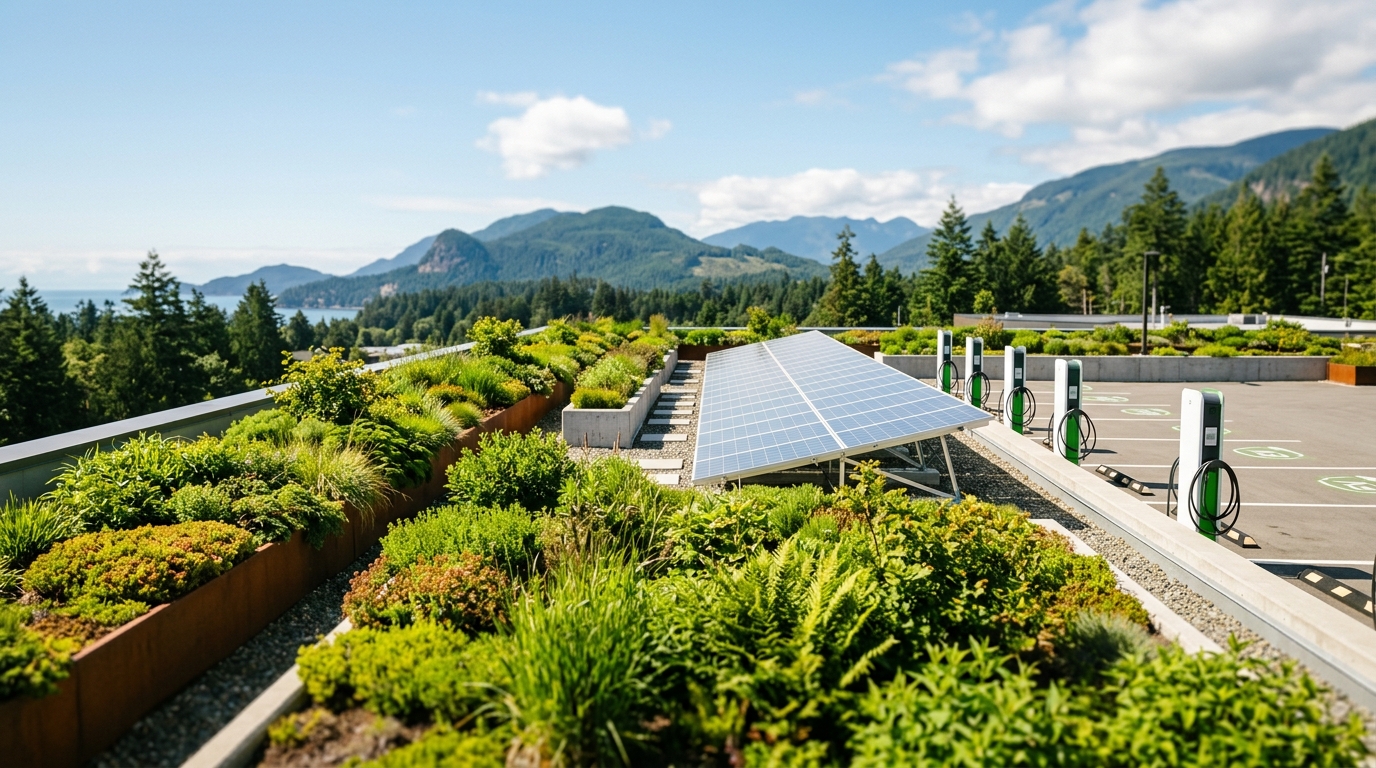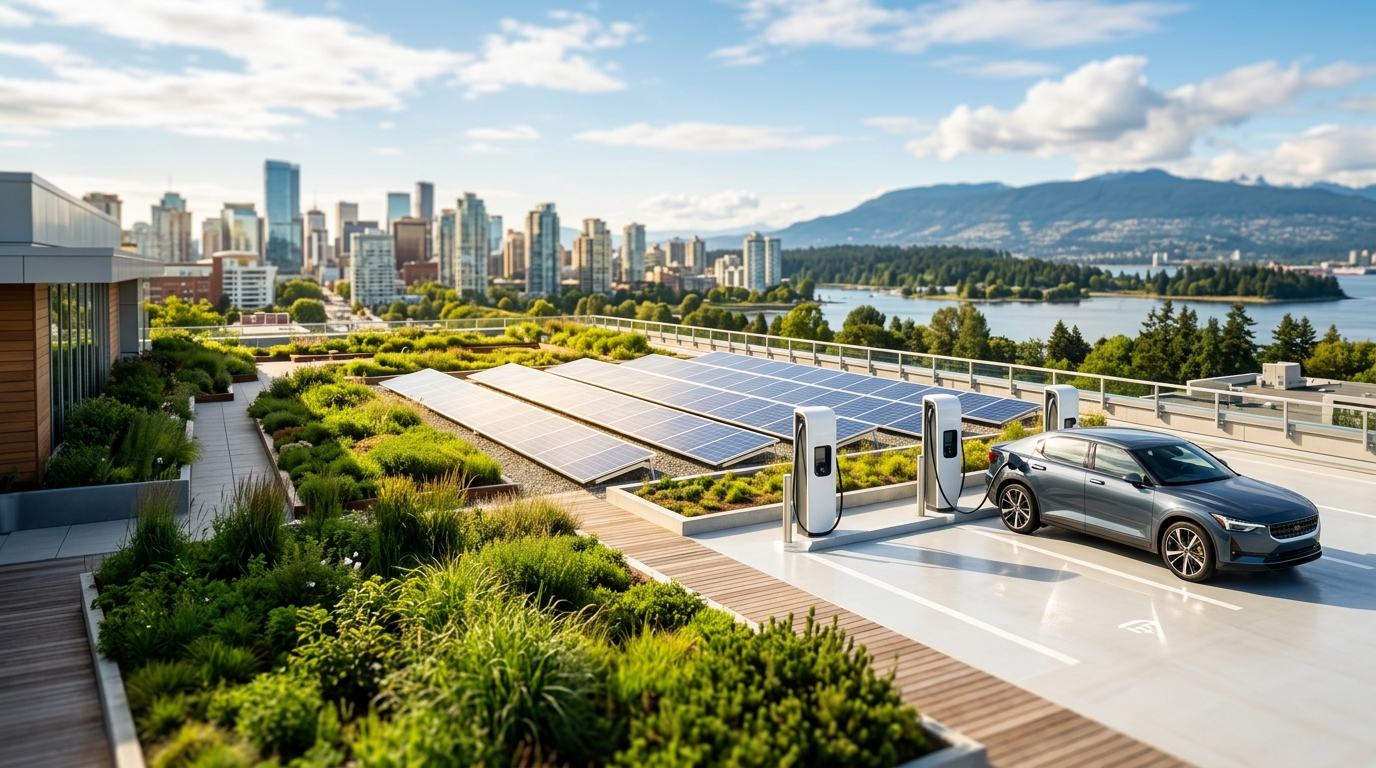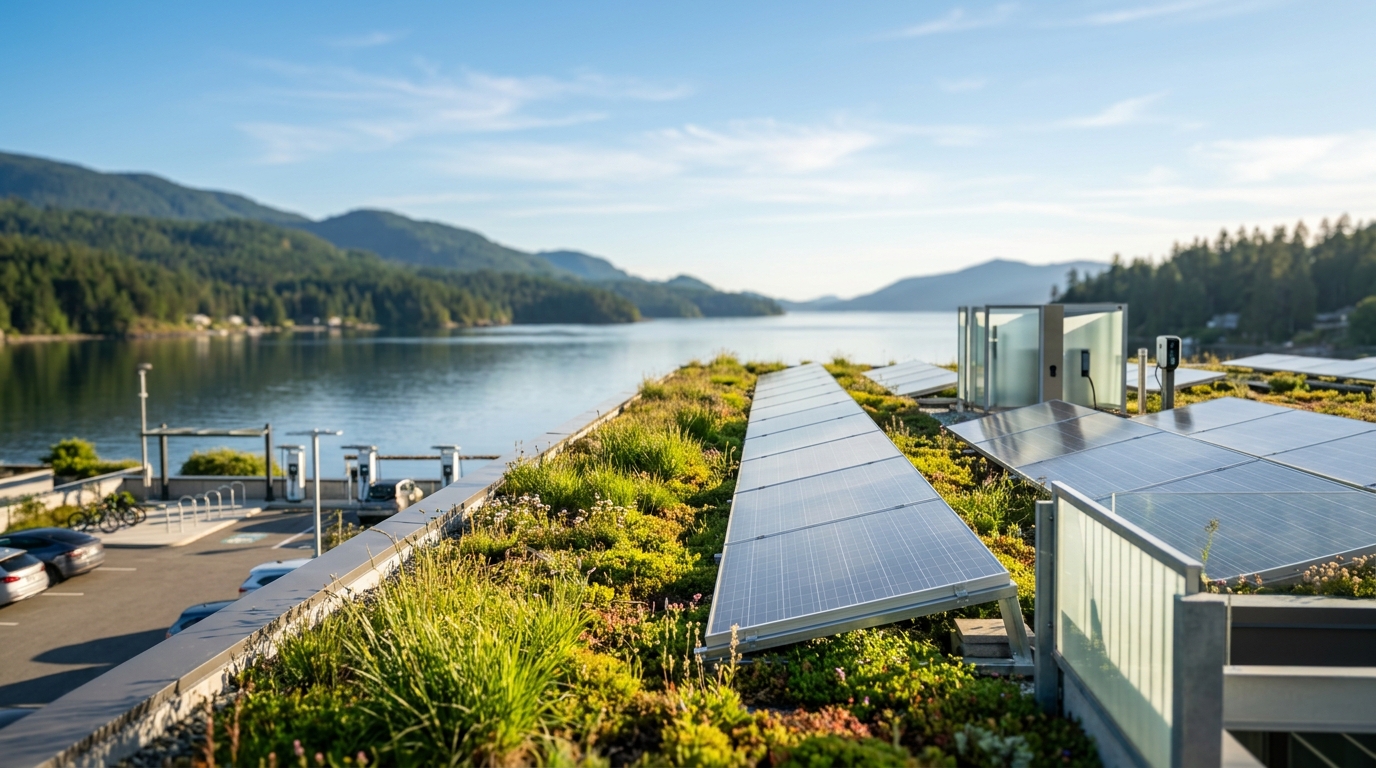
BC Ferries operates one of the world's largest ferry fleets—37 vessels on active routes connecting coastal British Columbia—and its electrification program is moving beyond the planning phase. The Crown corporation's 2040 zero-emission target is now entering active procurement, creating a multi-year revenue opportunity for British Columbia’s marine technology and energy storage supply chains.
The procurement window covers three technology categories: shore-power charging infrastructure at terminals, battery management systems for hybrid and fully electric vessels, and large-format energy storage solutions. Each category represents a distinct contract stream where BC-based suppliers are well-positioned to compete.
Federal clean-fuel and zero-emission procurement guidelines administered through Transport Canada's zero-emission vessel program include Canadian content provisions that provide domestic firms a competitive advantage. For Vancouver-area companies building marine electrification expertise, that advantage translates directly into improved bid scoring.
BC Ferries' most recent annual report outlines a multi-year capital expenditure plan allocating funding toward fleet modernization and terminal upgrades. Shore power requires significant terminal-side investment at the corporation's busiest routes, including Tsawwassen, Horseshoe Bay, and Swartz Bay.
BC Hydro's involvement in shore-power infrastructure adds a layer of public-sector commitment. The utility is working with BC Ferries on grid connection planning for high-demand terminal sites, a prerequisite for vessel-side battery charging. This coordination reduces a key risk that often slows marine electrification projects: grid access uncertainty.
For BC clean-tech firms, BC Ferries' supplier portal serves as the entry point for the tender process. The procurement timeline is structured in phases aligned with vessel retirement and newbuild schedules, meaning suppliers who establish relationships now are better positioned for larger contract tranches expected later in the decade.
The Vancouver International Maritime Centre (VIMC) has identified marine electrification as a priority sector, noting that the province's combination of shipbuilding capacity, engineering talent, and proximity to major ferry routes creates a competitive cluster. If the BC Ferries program sources locally at scale, it could serve as a reference project that opens export markets for BC suppliers.
Clean Energy BC's marine electrification working group has been facilitating introductions between BC Ferries procurement staff and local energy storage firms. The group notes that the primary constraint is not technology availability, but rather the organizational capacity of smaller firms to meet the documentation, insurance, and quality-assurance requirements of a Crown corporation tender.
Market Outlook: A 2040 zero-emission commitment provides a 14-year runway, though large public-sector programs often face schedule slippage. BC Ferries has also managed budget pressures in recent years, including fare increases and capital cost overruns on previous newbuild programs. While the opportunity is significant, suppliers should account for potential procurement delays and maintain diversified revenue bases.
The immediate opportunity lies in terminal shore-power retrofits, which are less capital-intensive than vessel replacement and can proceed on a faster schedule. Firms with expertise in marine-grade power conversion, grid-tie systems, and saltwater-environment electrical infrastructure are best positioned for initial contracts. Battery management system suppliers will follow as hybrid vessel retrofits accelerate in the mid-2020s.