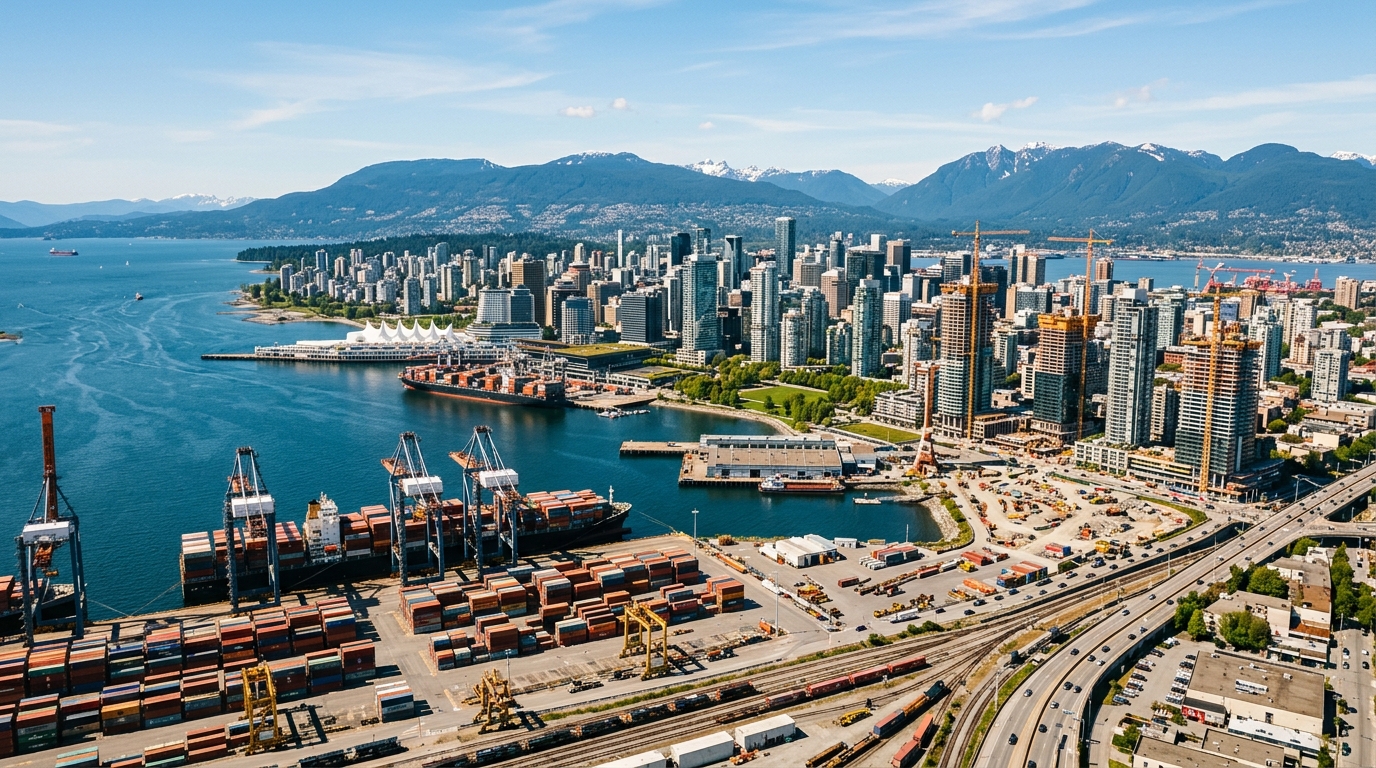
Metro Vancouver's construction sector has always been busy. But 2026 is different—and the difference is measured in booking windows, tender prices, and the quiet alarm spreading through project management offices across the region.
Electricians, carpenters, and ironworkers are now scheduling work 18 months in advance, according to the BC Construction Association's Spring 2026 outlook. The cause is a convergence of major projects: FIFA 2026 infrastructure upgrades, intensive station construction and systems installation on the Broadway Subway extension, active hospital construction at multiple Lower Mainland sites, and a large cohort of pre-sold condominium towers reaching delivery windows simultaneously. Every one of these projects is competing for the same pool of certified tradespeople.
The price signal is unambiguous. Subcontractor tender prices on new Metro Vancouver work rose 12–18% year-over-year in the first quarter of 2026, according to data from regional cost consultants such as Altus Group. For a $50-million mid-rise residential project, that escalation translates to $6 million or more in unbudgeted cost before a single design change order is issued. Project owners who locked in pro formas in 2023 and 2024 are now staring at a gap that interest rate movements cannot close.
The convergence problem, quantified
Infrastructure BC's active project registry shows a significant cluster of major public builds—those valued above $100 million—currently under construction or in active procurement. When layered against the private sector pipeline tracked by the Urban Development Institute Pacific, the labour market is being pulled in more directions than it can sustain.
BuildForce Canada's 2026 BC regional forecast projects a meaningful shortfall of skilled tradespeople, driven by retirement attrition that apprenticeship pipelines have not yet replaced. Apprenticeship registration data from SkilledTradesBC shows enrolment has not kept pace with the demand surge—a structural gap that cannot be filled by the time current projects need bodies on site.
The trades most constrained are those that touch every project type: electricians (represented locally by IBEW Local 213), labourers (LiUNA Local 1611), and ironworkers. These are not niche specialties; they are the trades that gate every other phase of construction. When they are unavailable, schedules slip regardless of other resources on hand.
What this means for project economics
Schedule risk is the underappreciated twin of cost risk. A project that cannot secure a mechanical or electrical subcontractor for eight months does not simply pay more; it carries its full financing cost through the delay, faces potential pre-sale contract disputes, and loses the revenue assumed to arrive on a fixed date. In a market where construction financing is already expensive, a six-month delay can erode a project's entire equity return.
The developers and general contractors navigating this successfully are those who moved early: securing trade commitments before tender, building escalation contingencies of 15–20% into revised pro formas, and in some cases restructuring project phasing to align with subcontractor availability. The 18-month booking window is now a baseline planning assumption for any project breaking ground in Metro Vancouver.
The kitchen table version
For developers, GCs, and institutional owners with a project in the Metro Vancouver pipeline, the labour market is now a primary constraint—not a line item to be value-engineered away. Trades pricing is up sharply, availability is tight, and the projects competing for that capacity include some of the largest public infrastructure builds in BC's recent history. The builders who deliver on time and on budget in 2026 and 2027 are those who treat labour procurement with the same urgency they once reserved for land and financing.
The supply shock was foreseeable. The reckoning is no longer theoretical—it is showing up in tender results, in scheduling software, and in the revised financial models landing on lenders' desks.



