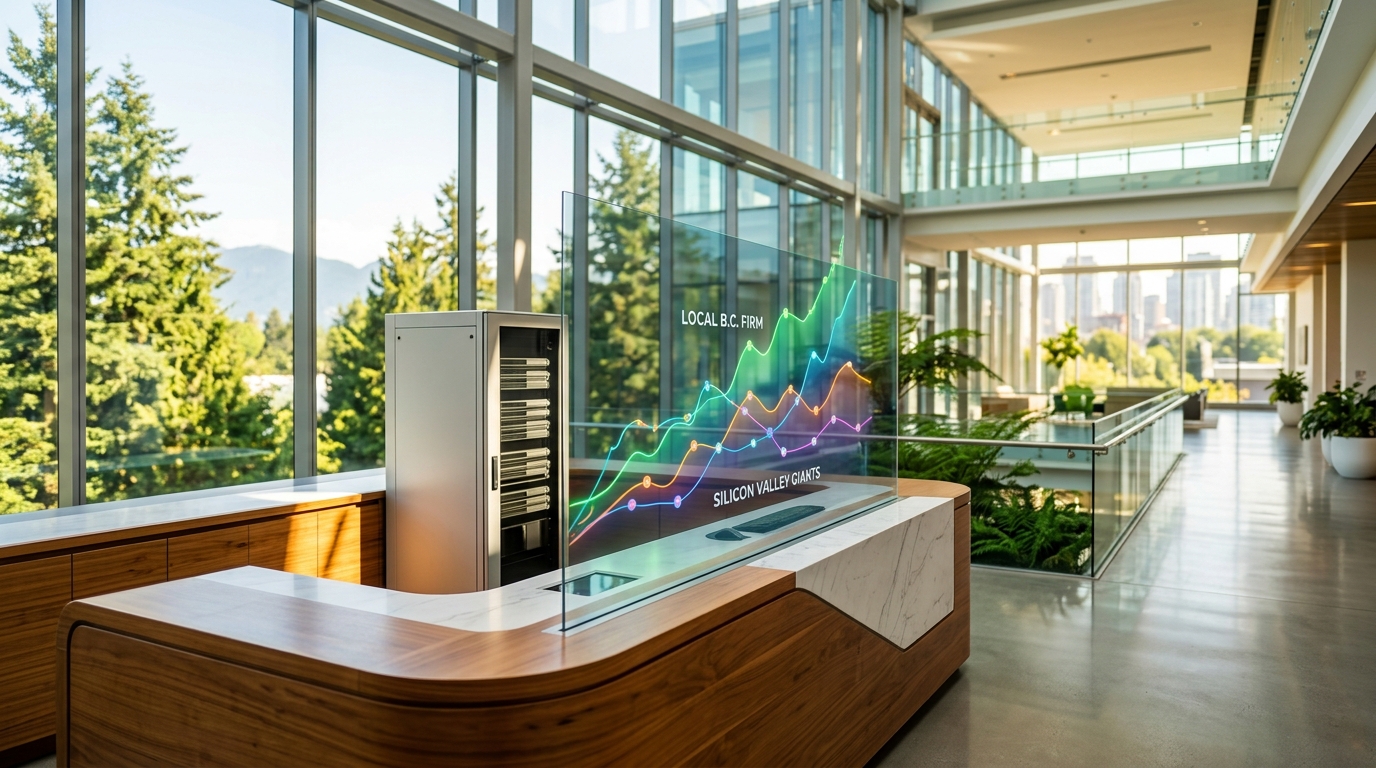
Metro Vancouver offers a compelling pitch for hyperscale data centre investment: affordable, clean hydroelectric power, a fibre backbone with direct Pacific Rim connectivity, political stability, and a highly skilled technical workforce. The pitch is working—until an operator asks when they can plug in.
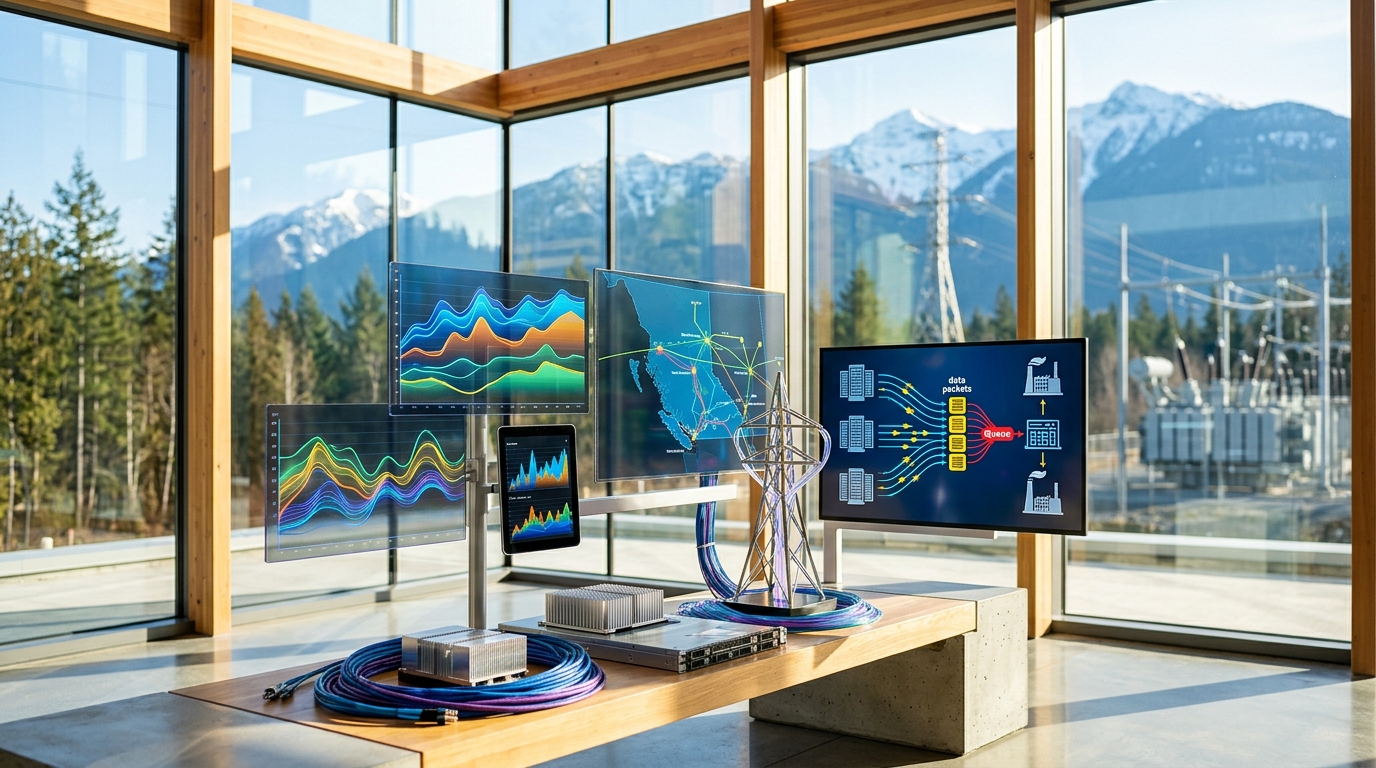
BC Hydro's interconnection queue for large industrial loads now stretches 36 to 48 months. For a hyperscale operator planning a 50-to-100-megawatt campus, that timeline is not a minor inconvenience; it is a critical capital allocation factor. Operators must weigh waiting four years for power in British Columbia against the prospect of being operational in 18 months in Alberta or Oregon.
At least two hyperscale projects in the Burnaby–Surrey corridor are currently undergoing site-selection reviews that include competing jurisdictions. While neither has publicly withdrawn from the province, the inclusion of alternatives underscores the tension between the queue delay and British Columbia's other competitive advantages.
The economic stakes are significant. A single hyperscale campus represents $800 million to $1.5 billion in capital expenditure, 1,500 to 3,000 construction jobs over a two-to-three-year build cycle, and a long-term commercial property tax base. Losing such projects to Portland or Calgary represents a permanent transfer of economic activity to jurisdictions that prioritized infrastructure capacity.
CBRE's Q1 2026 data centre market report indicates that Metro Vancouver’s commissioned capacity and absorption continue to rise, driven by enterprise cloud migration and AI inference workloads. The constraint is not demand, but utility interconnection.
BC Hydro's queue is a structural challenge. The utility is managing competing interconnection requests from data centres, hydrogen production, EV charging networks, and industrial electrification—all driven by provincial climate policy. The Ministry of Energy and Climate Solutions' demand forecasting projects a sustained increase in large industrial load requests through 2030.
BC Hydro's large general service tariff remains among the most competitive in North America, typically ranging from $0.05 to $0.07 per kilowatt-hour. This provides a structural advantage over many US markets, where investor-owned utilities or deregulated markets may result in higher effective rates. However, this advantage is challenged by the four-year wait for access.
The Canadian Data Centre Association has identified interconnection timelines as a national competitiveness issue. While Ontario and Quebec face similar pressures, British Columbia’s unique combination of clean power and Pacific positioning makes the stakes particularly high.
Municipal economic development offices in Burnaby and Surrey are monitoring the situation closely. Both cities have zoned land well-suited to data centre development, but local efforts to attract investment risk being undermined by utility constraints beyond municipal control.
If BC Hydro, the Ministry of Energy and Climate Solutions, and the BC Utilities Commission align on a dedicated fast-track stream for large digital infrastructure—featuring transparent queue positions and committed capital upgrade schedules—the province could leverage its power cost advantage into a decisive competitive position. Several jurisdictions have already implemented priority interconnection frameworks for strategic industrial categories.
The data centre sector moves quickly. Site-selection cycles typically run 12 to 18 months. Once an operator breaks ground in another jurisdiction, they are unlikely to revisit Vancouver for subsequent campus cycles. The window to capture this investment wave remains open, but the utility queue will determine how long that opportunity persists.