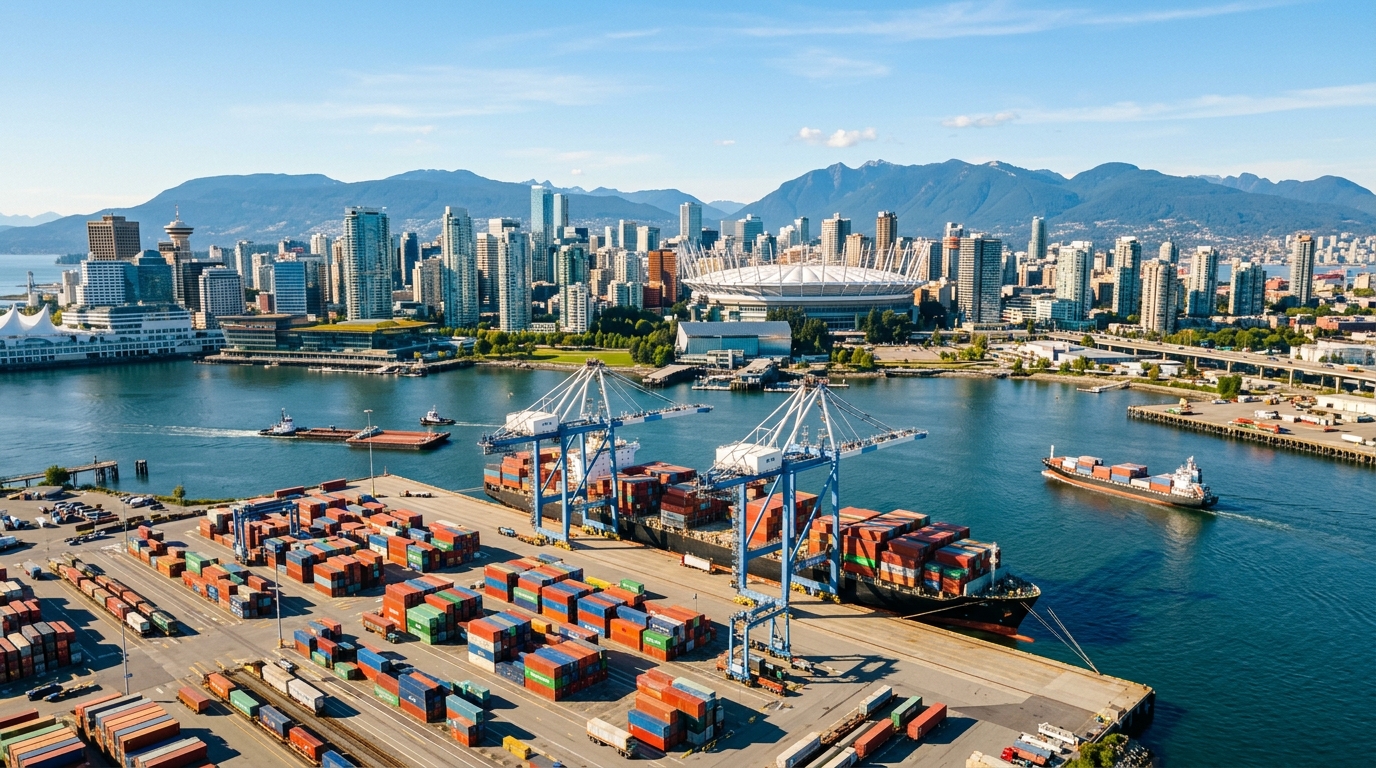
Mark June 1 on your calendar. That is when British Columbia's minimum wage rises to $17.85 an hour, up from $17.40. This 45-cent increase translates into higher payroll costs for every restaurant, hotel, café, and event-adjacent retailer in Metro Vancouver. Then, mark June 13: the day the first FIFA World Cup match kicks off at BC Place, bringing the city's largest demand surge in years. The gap between those two dates is 12 days. The planning window is now.
The arithmetic is straightforward. Hospitality and food services employ roughly 270,000 workers across British Columbia. For a restaurant running 20 hourly employees, the June 1 increase adds approximately $360 a week to the payroll before source deductions. Annualized, that is nearly $19,000 in additional labour costs for a single location. Operators with multiple sites or large event-day rosters face significantly higher figures.
The BC Restaurant and Foodservices Association has noted that incremental wage increases compound with other pressures, including food inflation, commercial rent, and debt loads carried over from the pandemic. The June 1 increase lands alongside elevated ingredient costs and, for many stadium-adjacent operators, lease renewals priced into a market that assumed higher top-line revenue than many have achieved.
What changes the calculus this cycle is FIFA. Metro Vancouver is expected to host hundreds of thousands of visitors during the tournament. For operators in Yaletown, Gastown, False Creek, and the West End, the revenue opportunity is real. The question is whether operators will reprice menus, adjust staffing models, and secure labour in time to capture margins, rather than simply absorbing higher wages against flat prices.
The operators best positioned are those already moving. Repricing a menu requires time for POS updates and staff training. Staffing up for a two-week surge requires onboarding before June 13, meaning the hiring window is open now. Operators who wait until June 1 will find themselves competing for workers in a market where BC's hospitality sector has historically run tight on labour during peak tourism periods.
Restaurants Canada has modeled the relationship between wage increases and menu prices, finding that most full-service restaurants pass through only a portion of labour cost increases to consumers. However, the FIFA context changes price sensitivity. A visitor paying in a currency that has strengthened against the Canadian dollar is not the same customer as a regular lunch crowd. Event-period pricing strategies that might feel aggressive in a normal week are standard practice in major tournament markets.
BC's $17.85 floor will rank among the highest provincial minimum wages in Canada, reflecting a policy choice to keep the wage floor moving in step with inflation.
For operators outside the FIFA footprint, the calculus is different. There is no tournament demand curve to offset the payroll increase. For those businesses, the June 1 date is a margin compression event. The BC Tourism Industry Association has advised members to model multiple scenarios rather than assuming a single pass-through rate.
Three weeks is a short window, but it is enough time for a planning sprint. Model the payroll impact now. Decide on a pricing response before June 1. Post for FIFA-period staff this week. The operators who will look back on June 2026 as a strong month are already making those calls.



