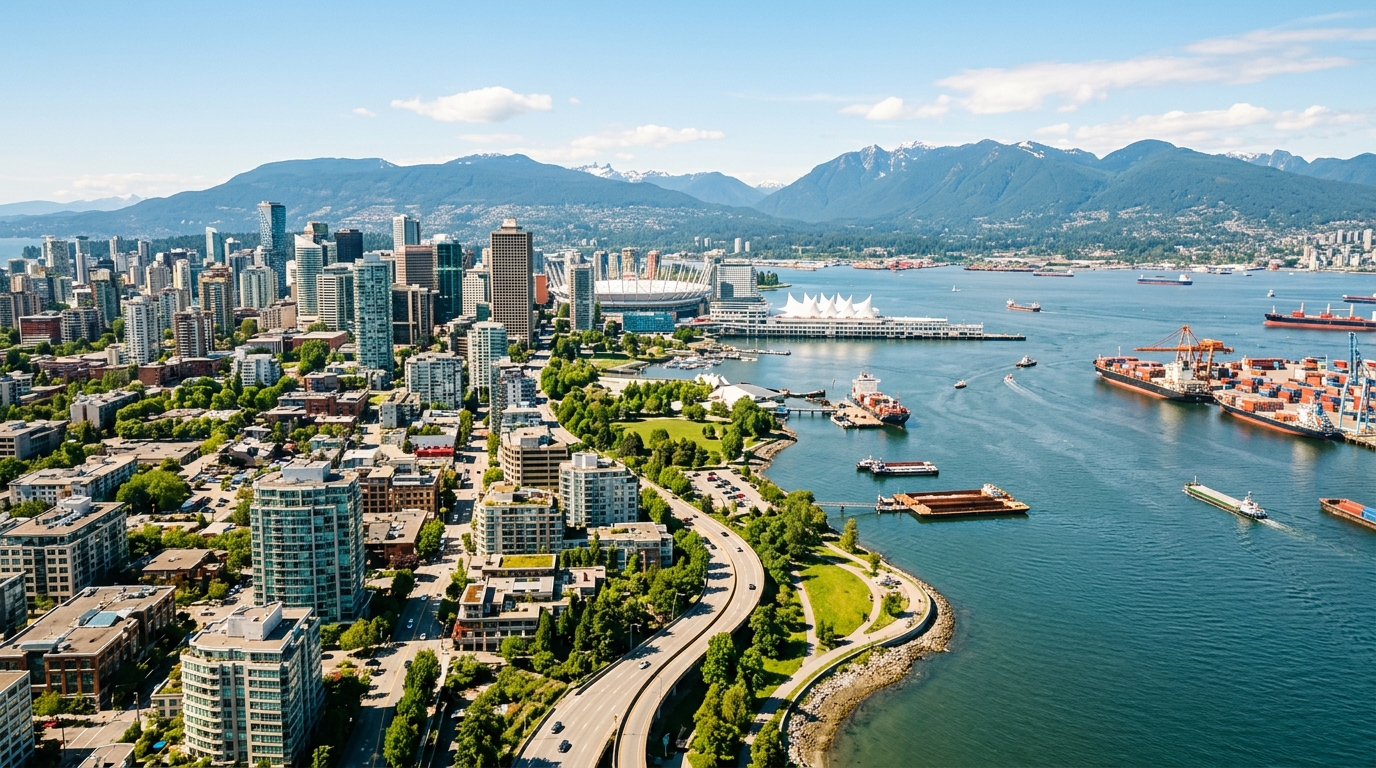
Thirty-four days. That is how long Metro Vancouver's small food and beverage operators have to decide whether they will participate in the FIFA 2026 economy legally—or risk being sidelined entirely.
With seven FIFA World Cup matches scheduled at BC Place between June 13 and early July, the stadium precinct and surrounding transit corridors are attracting early signs of an informal vendor economy. City of Vancouver enforcement teams have seen this before, as have the operators who navigated the 2010 Winter Olympics.
The core tension is straightforward. Metro Vancouver is expected to receive more than 250,000 international visitors across match days—a concentrated demand spike unlike anything the city sees in a typical summer. While licensed stadium concessionaires will capture significant spending inside BC Place, street-level operators must contend with strict FIFA 'Clean Zone' requirements, which prohibit unauthorized vending within several blocks of the stadium.
The Licensing Window Is Narrow—But Open
The City of Vancouver Business Licence Office issues temporary vending licences for special events. Processing timelines for straightforward applications—such as a single-location food cart with existing food-safe certification—have historically run between 10 and 21 business days. With FIFA kickoff on June 13, the functional application deadline for operators seeking certainty is the third week of May.
Completeness is the critical variable. Applications missing a health authority inspection record, a site plan, or proof of liability insurance will face delays. Operators who have previously secured a Vancouver Coastal Health temporary food premises permit have a structural advantage, as their inspection history is on file.
Note that the VCH temporary food premises permit and the City’s temporary vending licence are separate requirements that must both be satisfied.
Lessons from 2010
The 2010 Winter Olympics provide a clear local precedent. City enforcement during the Games was active, with bylaw officers operating extended hours in the downtown core. Vendors without proper licences faced fines and equipment seizure, which often erased any potential profit margins.
Successful operators in 2010 prioritized preparation: they secured their paperwork early, identified specific, legal locations in advance, and scaled their supply chains for volume. FIFA 2026 offers a longer runway—seven matches over three weeks—which rewards operators who build a consistent presence rather than those attempting one-off sales.
The Two-Kilometre Opportunity Zone
The geography of FIFA demand extends well beyond the stadium gates. The Stadium-Chinatown SkyTrain station, the False Creek seawall, and the Cambie corridor fall within the natural pedestrian flow of match-day crowds. The City of Vancouver has identified the two-kilometre radius around BC Place as the primary zone for economic capture.
For established businesses in this zone, the opportunity lies in operational planning, such as applying for extended hours or temporary patio permits. Mobile operators should consult the BC Restaurant and Foodservices Association for guidance on the distinction between event-specific temporary food service permits and location-specific temporary vending licences.
Operators seeking guidance on temporary vending licences can contact the City of Vancouver Business Licence Office directly. The FIFA 2026 Vancouver Host City Office provides additional business resources, including a permit checklist for event-adjacent operators.



