The fuel spike making headlines this week is costing Vancouver logistics operators real money. But inside the industry, the operators paying closest attention aren't asking how long the pain lasts. They are asking how much of their contracts they can rewrite before it ends.
Metro Vancouver pump prices reached $1.83 per litre as of March 9, 2026—a 25-cent jump in a single week, driven by Middle East shipping disruptions that are extending ocean freight timelines and compressing margins across the supply chain. For trucking and freight operators serving the Port of Vancouver, which facilitates roughly $306 billion in annual trade, that weekly swing exposes a structural vulnerability: legacy fuel surcharge clauses that lag spot diesel prices by two to four weeks.
Under those legacy contracts, operators absorb the gap. Fuel costs hit their accounts on Monday, but the surcharge adjustment does not flow through to client invoices until the following billing cycle. For high-volume carriers running dozens of port container moves per week, that lag can translate to tens of thousands of dollars in unrecovered costs during a price spike.
The operators who see opportunity in this moment are moving to close that gap permanently.
What 'Structural Improvement' Actually Looks Like
The mechanism is straightforward, even if the negotiation is not. Legacy surcharge clauses typically peg adjustments to a monthly or bi-weekly diesel index—often the Natural Resources Canada weekly rack price for BC—but with a built-in lag and a fixed escalation band. A carrier absorbs any price movement within the band; only movement outside it triggers a billable adjustment.
Operators are now pushing for a weekly index trigger with a narrower band and automatic pass-through above a defined threshold. In plain language: if diesel moves more than a set amount in a given week, the surcharge adjusts in the same billing cycle. Some operators are also negotiating the removal of caps on the surcharge percentage, which under older contracts were set during an era of $1.20 diesel and have not been revisited since.
The BC Trucking Association has published fuel surcharge guidance that provides operators with a defensible framework for these conversations, including model contract language and index references. The Canadian Trucking Alliance's fuel surcharge index offers a parallel benchmark that many national shippers already recognize, giving BC carriers a credible third-party anchor.
Why Clients Are Listening Now
The leverage dynamic has shifted. During stable fuel periods, shippers have little incentive to renegotiate surcharge structures. A spike like this one changes the conversation, because carriers can credibly argue that the current structure is unsustainable and that a contract failure—a carrier walking away from a route or reducing capacity—is a real operational risk for the shipper.
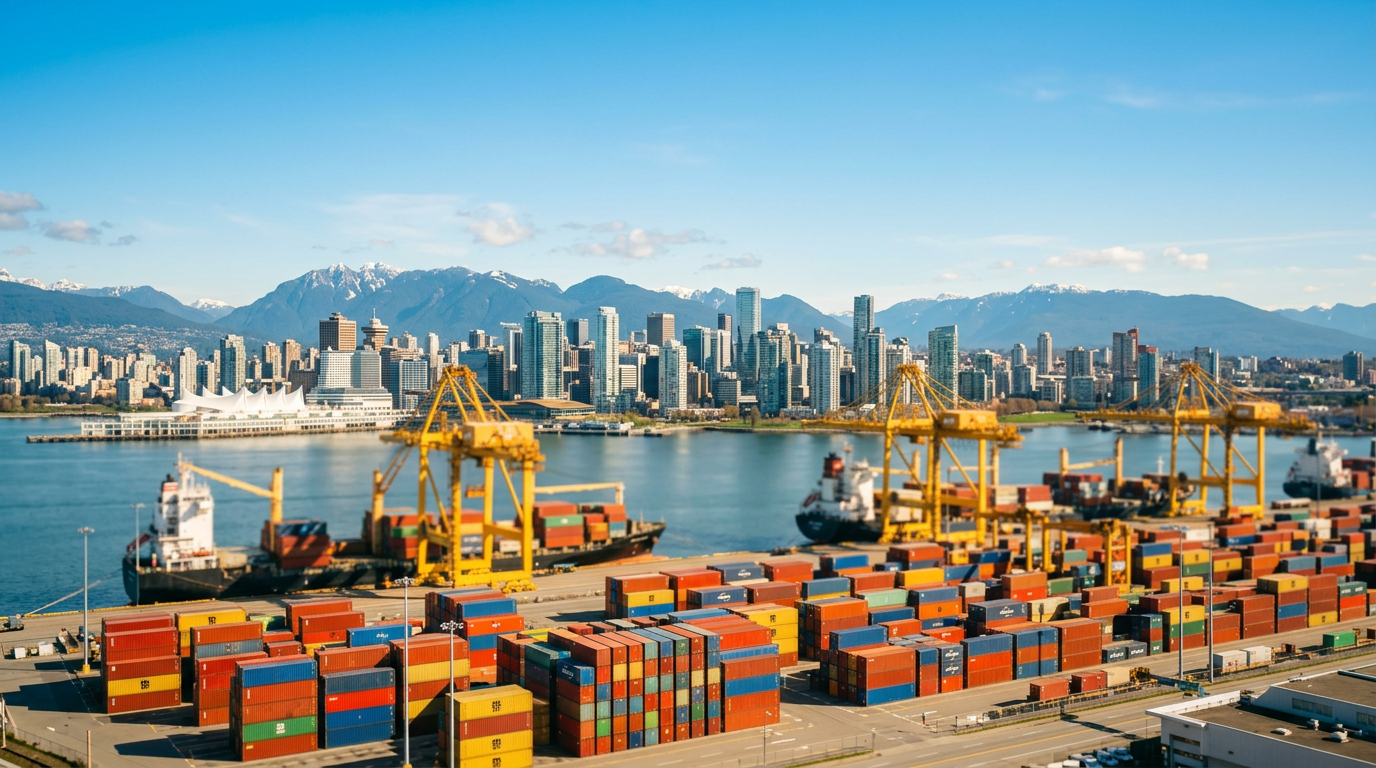
Port of Vancouver container volumes make that risk concrete. The port is one of Canada's busiest trade gateways, and monthly traffic data from the Vancouver Fraser Port Authority shows sustained throughput pressure. Shippers with time-sensitive cargo have limited tolerance for carrier attrition, meaning a well-positioned operator has genuine negotiating room that will not exist when prices stabilize.
The Canadian Federation of Independent Business's BC chapter has flagged fuel cost volatility as a top concern among small and mid-size carriers—the segment most exposed to legacy contract terms. That exposure, paradoxically, makes them the most motivated negotiators in the current window.
What This Means for Vancouver
Operators who lock in better surcharge terms this month will carry a structural margin advantage into the next fuel cycle. A weekly pass-through clause that protects against upside exposure also creates symmetry: if diesel falls sharply, clients benefit from faster downward adjustments. That symmetry often makes the renegotiation palatable to shippers who might otherwise resist.
For Vancouver's broader business community, the logistics cost structures being set in these conversations will shape freight pricing for years. The $306 billion moving through the Port of Vancouver does not flow frictionlessly; it moves on contracts that are being rewritten by operators who understand that a crisis and an opportunity can occupy the same moment.
In short: fuel is expensive, and trucking costs are rising. But the carriers serving the supply chain are using that fact to negotiate better contracts. If they succeed, the volatility felt during the next price spike should be smaller, faster to resolve, and more fairly shared between shipper and carrier. That is what a functioning market looks like when participants are paying attention.



