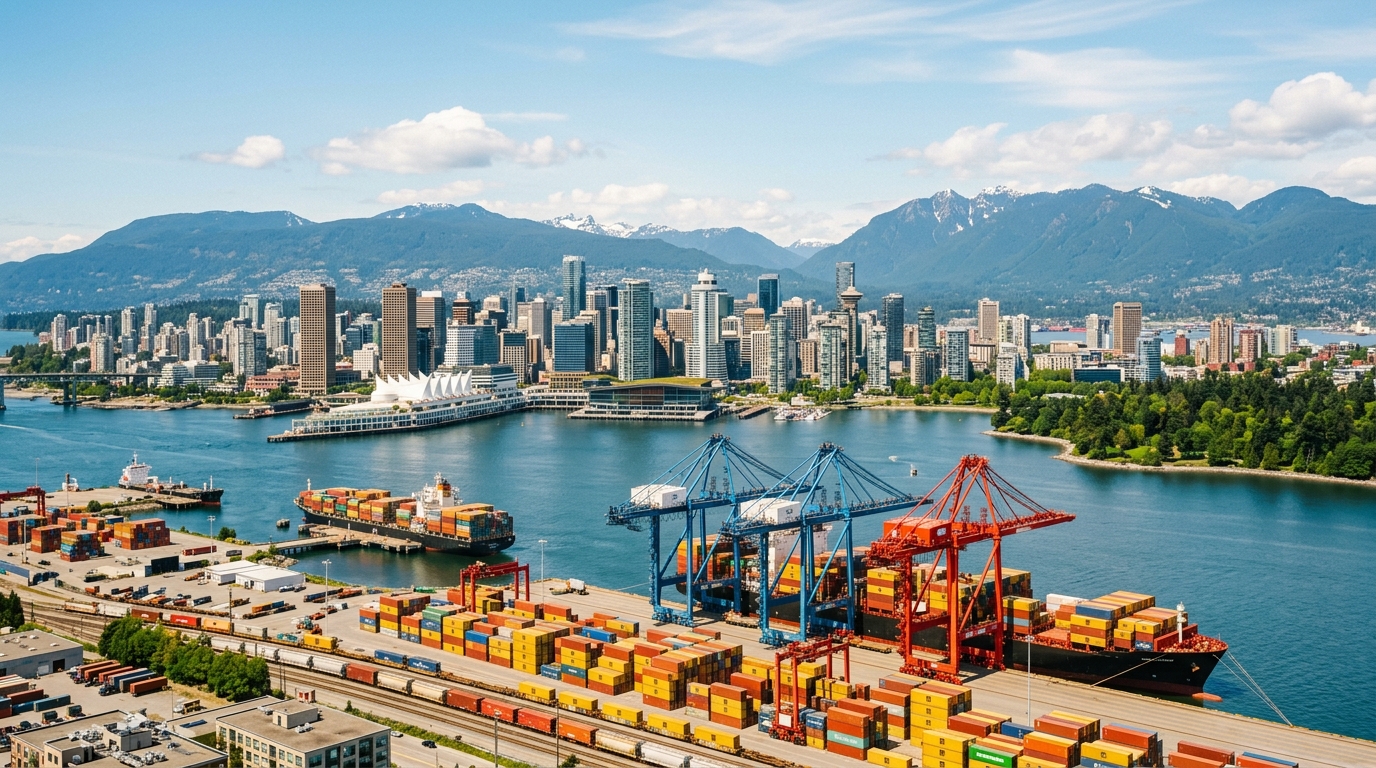
The numbers tell two stories at once. Destination BC's 2026 summer tracking data shows Metro Vancouver and the Sea-to-Sky corridor on course for record visitor spending. This surge reflects a confluence of FIFA World Cup residual tourism, a Canadian dollar that makes the province an attractive value for international travellers, and a resilient post-pandemic travel appetite. By every demand-side measure, this is the season BC's hospitality sector has anticipated.
The supply side, however, tells a different story. The BC Restaurant and Foodservices Association and the Tourism Industry Association of BC report that operators across accommodation, food service, and experiential tourism cannot convert surging demand into booked revenue. Rooms go unsold because there is no one to clean them; restaurant covers are capped because there is no one to run the floor; and tour departures are cancelled for lack of guides.
The data is unambiguous. Statistics Canada's Labour Force Survey tracks BC's accommodation and food services sector as carrying one of the highest job vacancy rates in the province, persistently above the national average. WorkBC job posting volumes in hospitality remain elevated, signalling that operators are hiring aggressively but failing to fill roles at the pace demand requires.
For hotel investors, the primary metric is revenue per available room (RevPAR). Hotel Association of Vancouver data shows Metro Vancouver RevPAR tracking ahead of 2025. However, the more critical figure is the gap between actual and potential RevPAR—the revenue lost because available rooms cannot be serviced. When housekeeping teams are understaffed, operators must block inventory. That gap represents significant revenue left on the table during a window that closes in September.
What This Means for Vancouver
The labour constraint is not uniform. Operators who entered this season with staffing solutions already in place are outperforming their peers. Three strategies are separating the winners from the rest.
First, scheduling technology. A growing number of Metro Vancouver hotels and restaurant groups have adopted AI-driven scheduling platforms. These tools reduce the labour hours required per cover or occupied room by optimizing schedules, preventing overstaffing on quiet nights and understaffing during peak periods.
Second, workforce partnerships. Some operators have formalized relationships with BC post-secondary hospitality and culinary programs, creating structured practicum pipelines. Operators who established these pipelines during the slower 2024 season are now reaping the benefits of a reliable talent flow.
Third, wage positioning. WorkBC wage data shows hospitality wages in BC have risen as operators compete for a thin labour pool. Those successfully filling their rosters are generally paying above the sector median—a cost offset by the revenue captured while competitors sit on blocked inventory.
The Bottom Line
If you own a hotel, restaurant, or tour operation, the labour gap is costing you money this summer in a way it may not next year, when FIFA and exchange rate tailwinds potentially subside. Operators who solve staffing now and build durable pipelines will carry a structural advantage into a more competitive 2027. For investors evaluating hospitality in Metro Vancouver, the staffing question is the essential due diligence query. Do not merely ask if a target is benefiting from record demand; ask whether they have solved the constraint preventing them from fully monetizing it.
The ceiling is real, but its height depends on the operator.



