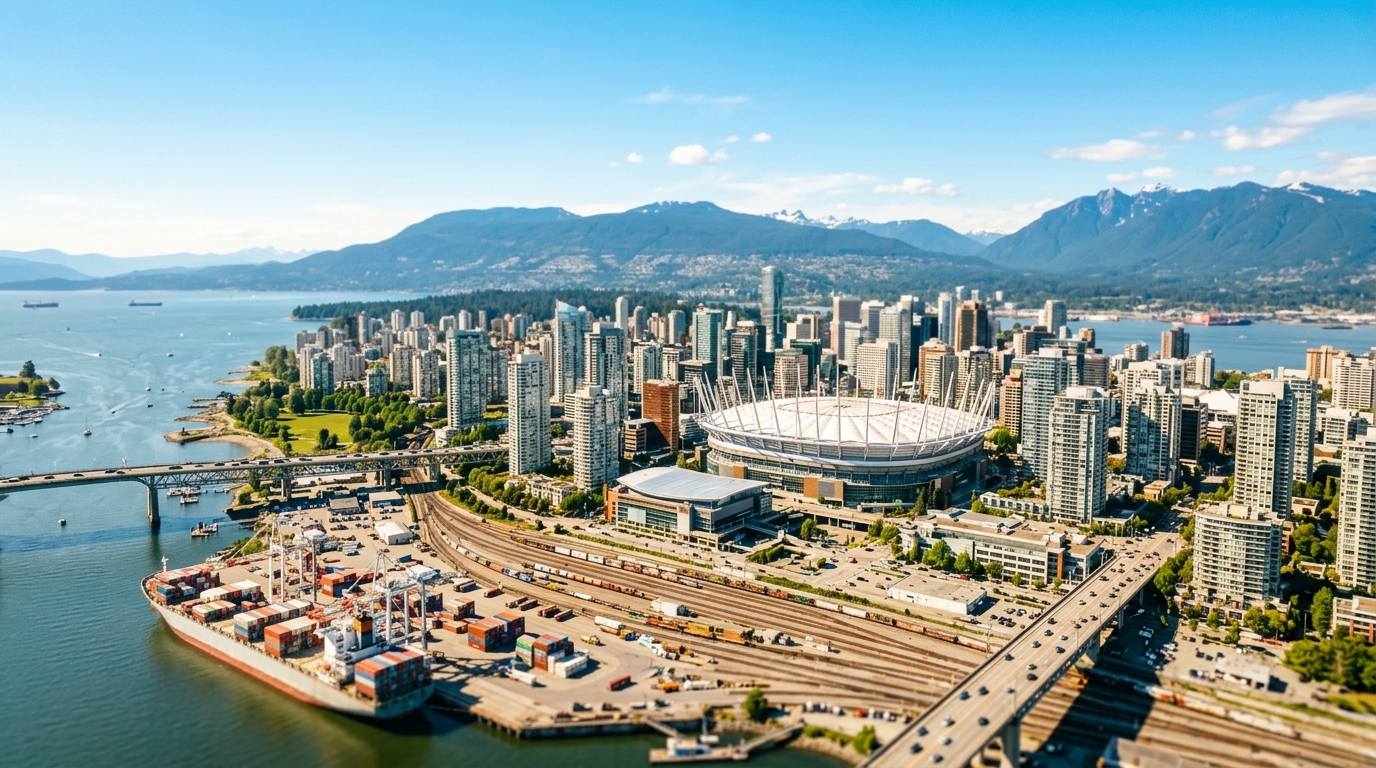
With the first FIFA 2026 match at BC Place less than two weeks away, Metro Vancouver is preparing for what Destination BC has projected as the largest single visitor surge in British Columbia's history. The tournament kicks off in Vancouver on June 13, yet a meaningful slice of the city’s short-term rental operators—those best positioned to capture the demand—are sitting on inventory priced for a quieter summer.
The execution gap is widening by the hour. Operators who locked in Airbnb and VRBO rates 90 days ago were pricing into a market that looked like a strong but manageable summer. What has materialized is a late-breaking acceleration in corporate and international bookings, group travel packages, and last-minute demand from fans who could not secure hotel rooms. Operators who repriced in April and May are capturing this surge; those who did not are missing out.
The supply side: A constrained market
Vancouver's short-term rental market was already structurally constrained before FIFA became a pricing event. The City of Vancouver's principal-residence requirement, which came into full effect in 2023, eliminated a significant portion of the investor-owned inventory that once padded supply during peak events. Only operators who live in the unit—or in a secondary suite on the same property—can hold a valid City of Vancouver short-term rental licence.
AirDNA data tracking Metro Vancouver's active short-term rental listings shows the market has contracted sharply since those rules took effect. What remains is a tighter, more compliant pool of inventory—which, in a demand surge, is exactly the kind of constrained supply that drives pricing power for operators who hold a valid licence.
The City of Vancouver licensing registry requires operators to display their licence number on every listing. Listings without a valid number are subject to removal, and enforcement activity has increased ahead of the tournament. Operators who are not fully compliant are carrying significant risk; a listing pulled in early June is revenue that cannot be recovered.
Capturing the remaining upside
Operators with genuine pricing leverage share a specific profile: they are licensed, located within reasonable transit distance of BC Place and the FIFA Fan Zone, and—critically—not locked into fixed-rate bookings confirmed before late April.
Properties in Yaletown, Mount Pleasant, the West End, and False Creek are the primary beneficiaries of proximity. However, operators in East Vancouver and along the Commercial Drive corridor are also seeing unprecedented demand from visitors who have accepted they will not secure downtown hotel rooms and are instead prioritizing character and value. A well-presented two-bedroom in Mount Pleasant that was listed at $250 per night in March can credibly command $450 to $600 per night for match windows—if the operator is willing to adjust and the booking window remains open.
The BC Hotel Association has flagged that Metro Vancouver hotel inventory is effectively sold out for key match dates, which historically pushes late-booking travellers into the short-term rental market as a primary option. That dynamic typically produces a final pricing surge in the days immediately preceding the event.
The operator’s checklist
If you are a licensed short-term rental operator in Metro Vancouver with open nights in June or July, your asset is worth more today than it was 60 days ago. Check your pricing against comparable licensed listings in your neighbourhood—not against what you charged last summer. If you locked in a booking at a rate that now appears low, the lesson for the remainder of the tournament schedule is to adjust immediately.
If you are not yet fully licensed, the math on rushing a compliance process is unfavourable. The City of Vancouver's licensing timeline is not designed for two-week sprints, and operating without a valid licence during a high-profile international event is a risk that the potential revenue does not justify.
The post-FIFA signal for investors
The FIFA 2026 Host City Vancouver organizing committee has pointed to lasting hospitality infrastructure benefits from the tournament, but the more durable signal for investors is what the supply constraint reveals about the post-principal-residence market. The rules that reduced inventory created a more defensible position for compliant operators. A licensed short-term rental in Metro Vancouver is a scarcer asset than it was three years ago.
The operators who move fastest in the coming days—repricing open inventory and confirming compliance—will close the execution gap that opened when they set rates in March. For everyone else, FIFA 2026 will serve as a lesson in the cost of pricing too early in a demand curve that had not yet fully arrived.



