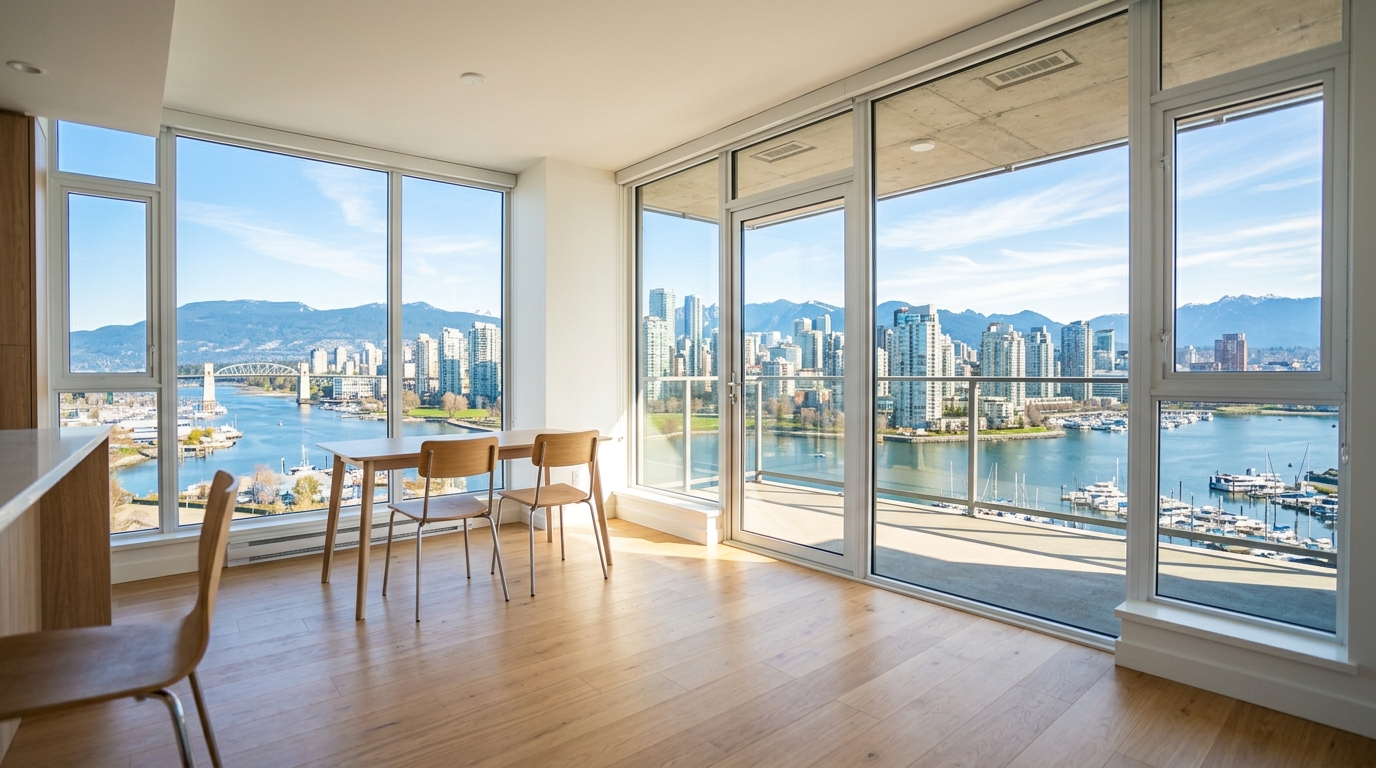
Walk through a newly completed rental tower in Burnaby's Brentwood corridor or along New Westminster's waterfront, and you will notice something unfamiliar: vacancy. This is not the chronic, structural vacancy of a market in distress, but a temporary, negotiable surplus that often comes with a leasing agent willing to discuss a month or two of free rent. In Metro Vancouver, that kind of leverage has been rare for years. It exists now, but it will not last long.
The cause is a surge of purpose-built rental construction starts financed through CMHC's MLI Select program between 2022 and 2023, which are now delivering completions simultaneously across the region. Burnaby, North Vancouver, and New Westminster — each among the highest-completion municipalities per capita in this cycle — are absorbing the bulk of the new supply. Buildings that projected lease-up timelines of four to six months are, in some cases, running eight to ten. That gap is where the financial stress begins.
The covenant math
For developers, purpose-built rental projects are typically financed with construction loans that convert to long-term CMHC-insured financing once a building achieves a stabilised occupancy threshold, commonly 90 to 95 per cent. When lease-up slows, that conversion is delayed. When the delay persists, construction loan covenants come under pressure: interest reserves thin out, lender patience shortens, and the cost of carrying an under-leased building compounds.
Metro Vancouver's rental vacancy rate sat at 0.9 per cent in 2024, one of the tightest readings in the country. While that figure gave developers confidence that new supply would be absorbed quickly, vacancy rates are a lagging indicator. When several hundred units complete in the same submarket within the same quarter, even a structurally tight market needs time to catch up.
Free-rent concessions—often one to two months on a 12-month lease—are the clearest signal that operators are prioritising occupancy over near-term revenue. It is a rational trade: a stabilised building at 93 per cent occupancy with a month of free rent is worth far more on a lender's covenant calculation than a 78 per cent occupied building generating full face rents. Operators who understand this are moving quickly to fill units, even at a short-term income cost.
What the supply picture looks like
The volume of completions in this cycle reflects deliberate policy design. The MLI Select program, which offers favourable CMHC insurance terms for purpose-built rentals that meet affordability, accessibility, or energy-efficiency criteria, financed billions in rental construction starts nationally from 2022 onward. In Metro Vancouver, where land costs and construction timelines are among the highest in the country, those starts are now maturing into a delivery wave that the market is processing in real time.
Metro Vancouver Regional District housing completion data points to Burnaby, New Westminster, and North Vancouver as the municipalities carrying the heaviest completion loads relative to their existing rental stock. These are also markets where transit access has driven density and attracted developers confident in long-term demand fundamentals. The absorption challenge is a timing problem, not a demand problem.
The opportunity window for tenants and employers
For renters, this is a moment to act. Free-rent offers reduce the effective first-year cost of a unit meaningfully. More importantly, this is a window to negotiate lease terms that rarely appear in Metro Vancouver: longer fixed-term leases, reduced damage deposits, or unit upgrades before move-in. Landlords motivated to fill buildings are motivated to make deals.
For businesses, the implications run deeper. Housing affordability has become a direct recruiting variable for Metro Vancouver employers. A company that can point a prospective hire to a new, transit-connected rental building offering two months of free rent and a negotiated long-term rate is offering something materially different from what was available 18 months ago. HR and operations teams that are paying attention are already building relationships with leasing teams at new buildings and negotiating preferred-tenant arrangements for their staff.
What developers and lenders should watch
For operators on the development side, the calculus is clear: concessions that accelerate stabilisation are cheaper than extended construction loan carry. Rental market data from national trackers suggests that well-located, transit-proximate buildings with modern amenities are absorbing faster than suburban or car-dependent projects.
Lenders are watching covenant compliance dates carefully. Construction loans underwritten on older vacancy assumptions are being stress-tested against 2026 absorption realities. The BC Financial Services Authority (BCFSA) has not flagged systemic distress in the construction lending book, and most operators entered this cycle with stronger balance sheets than in previous downturns. Individual project stress is real, and the next two quarters will determine how many developers need to renegotiate loan terms versus how many reach stabilisation on schedule.
The bottom line
Metro Vancouver's rental market is not broken; it is repricing. A record supply wave is temporarily outpacing absorption in specific submarkets, creating stress for some developers and a rare window of leverage for tenants and employers. The underlying demand fundamentals—population growth, immigration, and a structurally under-supplied ownership market—remain unchanged. What has shifted is the short-term negotiating dynamic.
Watch for upcoming regional housing supply reports for the latest data on this completion wave. That information will set the tone for lender conversations, covenant reviews, and leasing strategy through the rest of 2026. If you are a tenant or an employer with housing on your radar, the window is open now.



