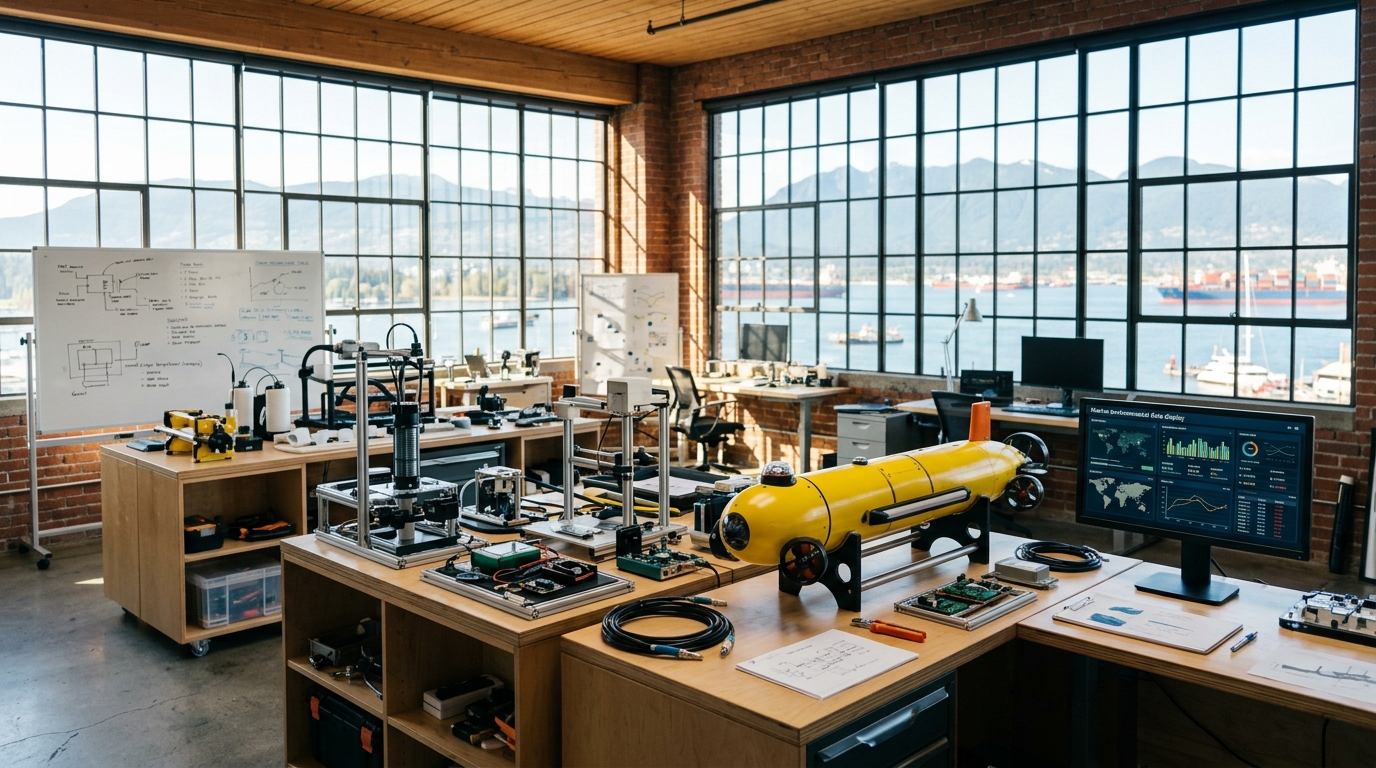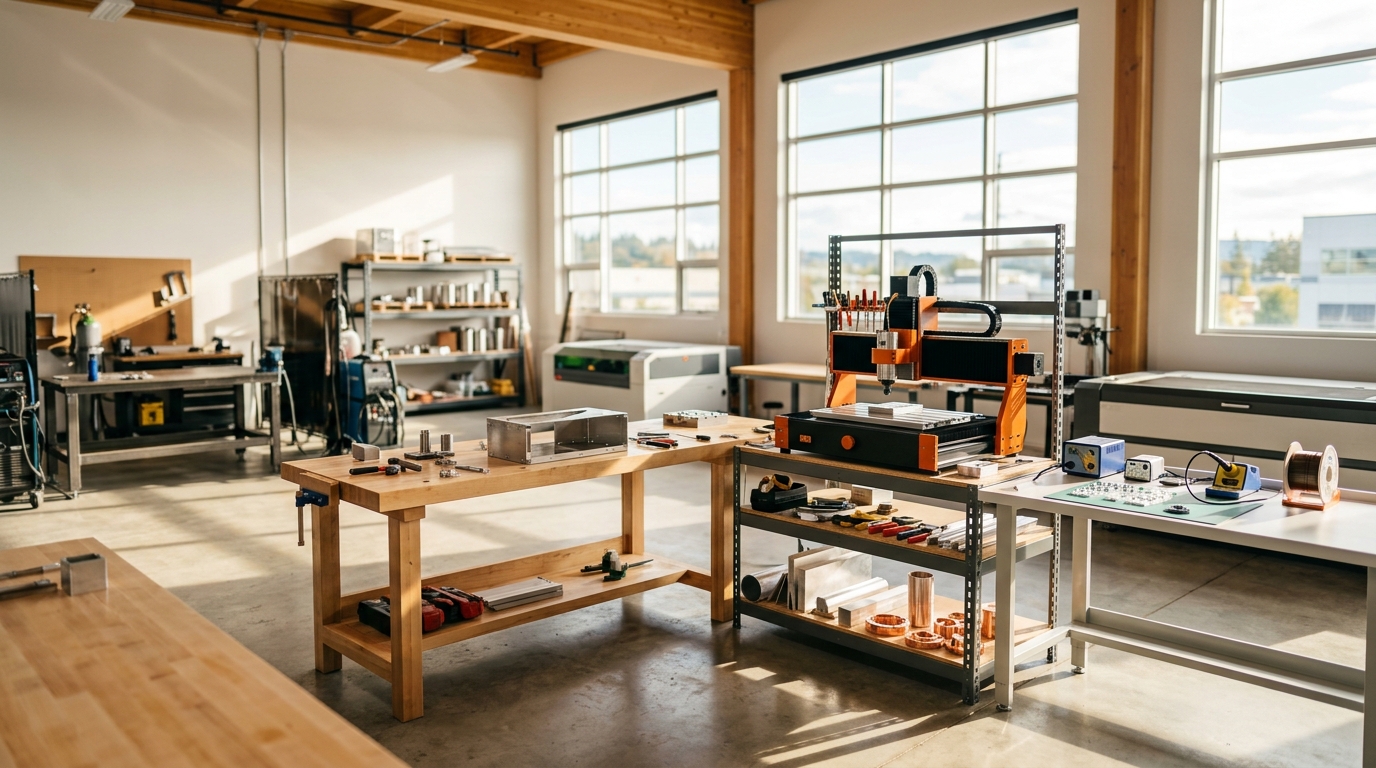
Walk the industrial corridors off 96th Avenue in Surrey on a Tuesday morning and you will notice something that defies the narrative of a hollowed-out manufacturing sector: the lights are on. CNC machines are running, forklifts are moving, and small-batch production is humming inside units that, a few years ago, sat dark.
The people running these operations are not in your typical startup database. They did not pitch at Launch Academy and they are not on the radar of angel syndicates. Many arrived in BC through the BC Provincial Nominee Program's Entrepreneur stream, bringing domain expertise, industry relationships, and capital ready to deploy into real production.
This is the manufacturing revival story that Metro Vancouver's business press has largely overlooked.
The Numbers Behind the Shift
The BC PNP program as a whole remains a significant driver of business formation in the province, with Surrey and Langley consistently ranking among the top destination municipalities. These are not passive investors; program requirements mandate that applicants establish or purchase an active BC business, meet minimum investment thresholds, and create local employment.
The broader context: immigrant-owned businesses represent roughly 33% of BC's small business base, according to Statistics Canada. The manufacturing subset is significantly underreported, in part because these operators do not seek venture attention and do not generate the press release trail that typically drives media coverage.
What they do generate is industrial lease activity. Surrey's industrial vacancy rate has remained below 3% despite meaningful new supply coming online—a figure that commercial real estate analysts have flagged as structurally tight. Newcomer-founded businesses absorbing smaller-bay units is a contributing factor that deserves more scrutiny.
What These Businesses Actually Look Like
The profile is more varied than the term "light manufacturing" suggests. It includes precision metal fabrication serving the construction and resource sectors, food processing operations targeting local ethnic grocery channels and export markets, custom millwork, electronics assembly, and plastics forming. Many operators bring supply chains and buyer relationships from their countries of origin, giving them an immediate export orientation that purely domestic startups often spend years building.
Community Futures Fraser Valley, which provides financing and advisory support to small businesses, has documented growing demand from newcomer manufacturers who fall outside conventional bank lending criteria—often because their Canadian credit history is thin, not because their businesses are weak. The gap between business quality and capital access is a recurring theme.
The Surrey Board of Trade has highlighted manufacturing diversification as a priority in its economic development work, and the Langley Chamber of Commerce has tracked industrial sector growth in its annual surveys. The data points toward a distributed production layer that is quietly expanding without the policy attention or capital infrastructure that a more visible startup ecosystem would attract.
The Bigger Picture
There is a structural argument here that goes beyond immigration narratives. BC's economy has a well-documented reliance on real estate and resource extraction. The province needs more value-added production—businesses that take raw inputs and turn them into exportable goods. Newcomer manufacturers, many of whom arrived with that capability already developed, are doing that work right now.
The challenge is that the support infrastructure has not caught up. Small Business BC's newcomer entrepreneur programming provides some on-ramp support, but access to growth capital, export market development resources, and sector-specific mentorship remains patchy for operators who exist outside the venture-backed startup world.
That is the gap worth watching. These businesses are already viable. The question is whether BC's economic development apparatus—provincial programs, regional chambers, and lending institutions—can build the connective tissue before a generation of export-capable manufacturers decides another jurisdiction is more worth their time.
The machines are running. The question is who is paying attention.