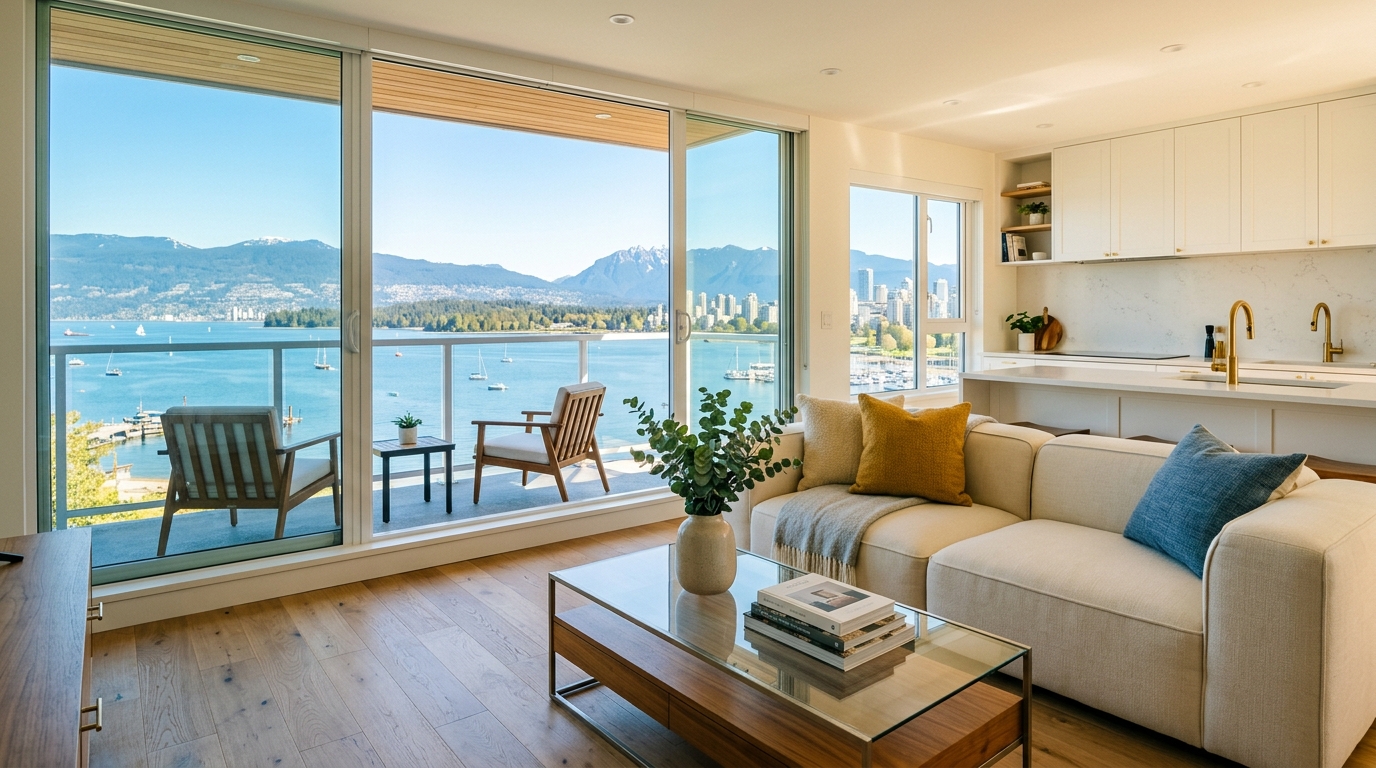
Picture a basement suite in East Vancouver: fresh drywall, a proper egress window, and a separate entrance that meets code. The homeowner who built it last year didn't pay for the entire project out of pocket. By combining a provincial forgivable loan with federal energy-efficiency financing, the owner significantly offset the renovation costs. With Metro Vancouver's rental vacancy rate near 1%, such units are in high demand.
This opportunity is available to thousands of small landlords across the region, yet uptake remains well below program capacity, according to BC Housing data.
What's on the Table
The BC Secondary Suite Incentive Program (SSIP), a three-year pilot launched in 2024, offers eligible homeowners a forgivable loan of up to $40,000 to build or renovate a secondary suite intended for long-term rental. The loan is forgiven over five years, provided the owner keeps the unit rented at or below the program's affordability threshold. This threshold is pegged to local market rents.
Eligibility requires the property to be owner-occupied, the suite to be new or substantially upgraded to meet the BC Building Code, and the homeowner's household income to fall below the program ceiling. The application is managed through BC Housing and can be combined with municipal permitting incentives.
Homeowners can also access the Canada Greener Homes Loan, which provides up to $40,000 in interest-free financing for major home retrofits, including insulation, windows, and heat pumps. While this is a loan rather than a grant, it provides significant capital to improve the energy efficiency of a secondary suite.
Why So Few Are Using It
The City of Vancouver issued approximately 1,200 secondary suite permits in 2024. Industry associations suggest the primary barrier to higher uptake is the complexity of navigating two separate bureaucracies with different documentation requirements and timelines.
There is also a sequencing challenge. The SSIP requires a building permit before the loan is approved, while the Greener Homes Loan process involves its own assessment requirements. Coordinating these steps while managing a contractor's schedule requires careful planning.
How to Stack the Programs: A Practical Sequence
The most effective approach begins with the EnerGuide pre-retrofit evaluation required for the federal loan. Completing this early helps define the scope of work and provides documentation that can be referenced in permit applications.
Next, submit the secondary suite building permit application to your municipality. In Vancouver, the city has streamlined the secondary suite permit process in recent years. Once the permit is issued, the BC Housing loan application can proceed.
Throughout construction, maintain detailed records of all receipts and invoices categorized by trade. Energy efficiency work—such as mechanical upgrades—supports the federal loan application, while the broader construction scope supports the provincial forgivable loan.
The Numbers That Make the Case
For a mid-range conversion costing $80,000, the financing stack significantly alters the capital requirement. A $40,000 forgivable loan covers half the cost, while the federal interest-free loan provides additional liquidity for energy upgrades. By utilizing these programs, the homeowner's immediate out-of-pocket exposure is substantially reduced.
In a market where rents have risen sharply, adding a legal, code-compliant suite remains one of the few ways a small landlord can grow rental income without acquiring a new property.
What to Watch
The SSIP funding envelope is finite and subject to re-allocation. Municipal governments are also moving toward broader as-of-right zoning for secondary suites, which may further reduce permitting friction in the coming years.
The bottom line: Significant financial support is available to eligible Metro Vancouver homeowners. While the coordination of provincial and federal programs requires diligence, the long-term benefit of a legal, income-generating suite in a low-vacancy market remains a compelling investment.



