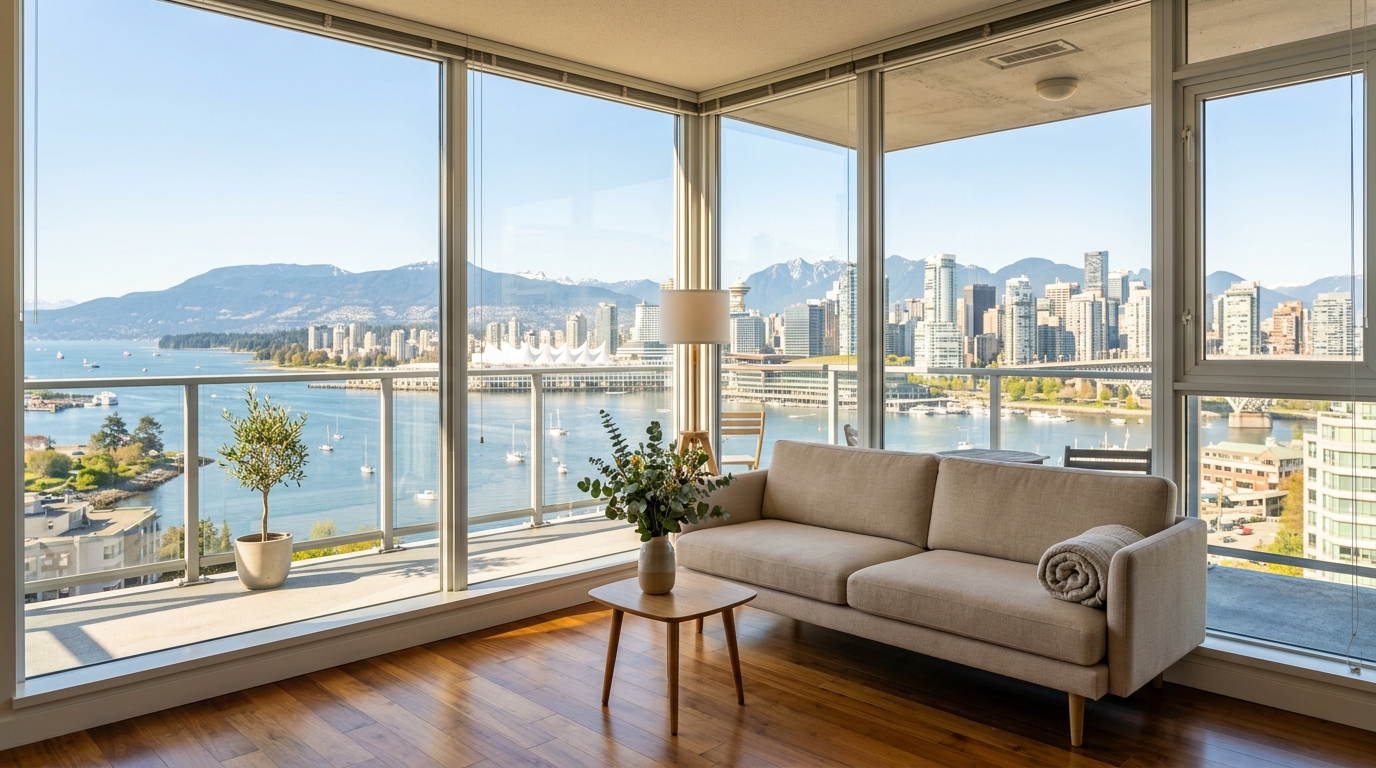
In a Kitsilano strata building last month, three units that had sat vacant for two years appeared on rental listings within the same week. The timing was not a coincidence. According to local property managers, the pattern is repeating across West Side Vancouver, North Burnaby, and Richmond—a quiet but consequential wave of newly listed rentals driven not by developer completions or policy incentives, but by a single looming deadline: the July 2 2026 Speculation and Vacancy Tax payment deadline.
The SVT, which applies to residential properties in designated BC regions left vacant or underused by owners, has widened its net with each successive budget cycle. The 2026 season is a meaningful inflection point. Property managers and strata councils report that a new cohort of non-resident owners—including US-based Canadians, satellite families, and foreign nationals—are discovering that exemptions previously claimed have narrowed or lapsed under updated criteria. Faced with a tax rate of two per cent of assessed value for foreign owners and satellite families, the compliance calculus has shifted: list the unit or absorb a significant annual cost.
The scale of the affected pool is substantial. BC Ministry of Finance annual reporting has tracked tens of thousands of Metro Vancouver properties subject to SVT declarations each year. Domestic BC residents claim exemptions at high rates, but the gap opens with foreign owners and satellite families, where a non-trivial share of declared properties either pay the tax or move to satisfy occupancy requirements. SVT revenue figures in BC Budget 2026 documents reflect year-over-year collection trends that signal both broader coverage and a growing compliance response.
The micro-market effect is uneven. Richmond, with its high concentration of satellite-family ownership, is seeing concentrated listing activity, particularly in the city centre condo corridor near Brighouse Station. West Vancouver and the City of Vancouver's West Side are also generating new supply. Burnaby's Metrotown and Brentwood neighbourhoods, popular with investor-owners who purchased presale units in the last cycle, are a third cluster. Greater Vancouver REALTORS (GVR) rental listing data for spring 2026 shows year-over-year increases in available units in these corridors that outpace the broader Metro Vancouver trend.
For renters, the timing is significant. The CMHC's January 2026 Rental Market Report places Metro Vancouver's vacancy rate among the tightest in Canada. Any incremental supply entering the market during the summer leasing season carries an outsized impact on availability and rent growth. These compliance-driven listings are typically well-appointed condos and townhomes entering the market at market rents. While unlikely to address affordability at the lower end of the market, the effect is real in the mid-to-upper rental tier.
Property managers are navigating the surge with a mix of opportunity and operational strain. Strata buildings that suddenly have multiple units entering the rental pool face bylaw questions, rental cap provisions under the Strata Property Act, and insurance implications. BC Financial Services Authority data on licensed strata management firms shows capacity already stretched in Metro Vancouver. Owners who have not maintained their units for rental-grade condition are also discovering that a tight labour market for trades means pre-tenancy renovation timelines have lengthened.
For investors still holding vacant or underused properties, the exemption landscape deserves review. The Ministry of Finance's 2026 filing guidance outlines which exemptions remain available—including for properties undergoing major renovation, properties under active sale, and certain family-use configurations—but the eligibility criteria are specific and documentation requirements have tightened.
The Urban Development Institute Pacific has noted a broader shift in investor behaviour, observing that the cumulative effect of the SVT, the federal Underused Housing Tax, and municipal vacancy measures has changed the holding calculus for non-resident owners. That structural shift, playing out unit by unit across Metro Vancouver's strata inventory, may prove to be one of the more consequential rental supply stories of 2026.
The bottom line
- For investors: Review your SVT exemption status before the July 2 payment deadline. The cost of an incorrect assumption is two per cent of assessed value.
- For property managers: The compliance-driven listing wave is concentrated in Richmond, West Vancouver, West Side Vancouver, and Burnaby's transit corridors. Capacity planning for summer onboarding should account for this cohort.
- For renters: Mid-to-upper tier condo rentals in the above micro-markets are worth watching closely through June and July. New listings from compliance-motivated owners may offer negotiating room.
- Watch for: CMHC's summer 2026 vacancy update and whether BC Budget 2027 signals further SVT rate or coverage changes.



