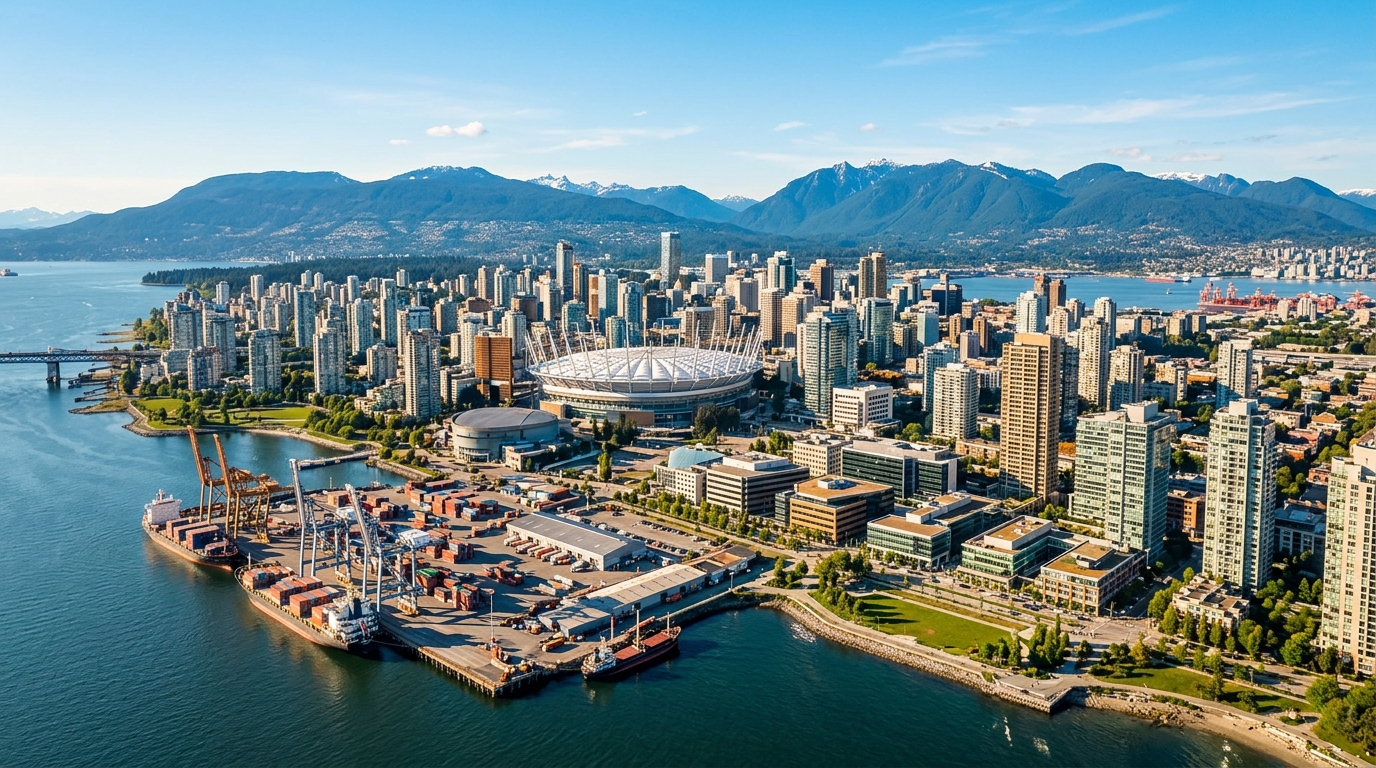
The scoreboard that matters most for Metro Vancouver's hospitality sector this summer will show up in Q2 and Q3 earnings. With five group-stage matches and two knockout-round fixtures scheduled at BC Place between mid-June and early July, the region is entering the final six-week preparation window for what Destination Vancouver projects could generate over $500 million in direct visitor spending. The operators who have prepared will capture a disproportionate share of that windfall; those who haven't will miss the opportunity.
The scale of the event is significant. When Vancouver hosted the 2010 Winter Olympics, downtown hotel occupancy hit 94%—a benchmark hospitality planners are now using as a floor. FIFA World Cup attendees typically travel farther, stay longer, and spend more per day than standard leisure tourists, making this a critical period for a city that has spent three years rebuilding its visitor economy.
Hotel inventory across Metro Vancouver for match days is effectively sold out at the top end of the market. BC Hotel Association data indicates near-total occupancy across downtown and airport-adjacent properties, with average daily rates tracking well above historical norms. For hoteliers who locked in group-rate contracts with FIFA delegations and national soccer federations months ago, the revenue is already secured. The focus now shifts to whether food, beverage, retail, and ancillary services can manage the overflow.
The City of Vancouver has moved to expand capacity. Expanded licensed patio zones and temporary pop-up commercial permits have been approved across key corridors, including Robson Street, the West End, and Gastown. Operators who secured these permits and trained additional staff are positioned to scale their footprint during the tournament.
Supply chain positioning remains a critical variable. The Restaurant & Foodservices Association of BC has flagged procurement lead times as a critical planning factor, particularly for operators relying on imported specialty products. With distributors managing higher-than-normal pre-orders, operators who have not confirmed their inventory face competition for limited allocations.
Staffing also presents a challenge. Vancouver's labour market remains tight, and FIFA creates a seasonal spike that requires deliberate planning. Operators who have recruited and trained event-specific staff hold a meaningful advantage over those relying on last-minute hiring, which may involve higher wage pressures.
The retail opportunity is equally significant. Destination BC visitor data shows international tourists outspend domestic visitors on retail, and the global audience arriving for the matches represents a high-intent demographic for souvenir and apparel sales. Retailers who have stocked relevant merchandise and arranged multilingual point-of-sale capabilities are best positioned to capture this spending.
Not every operator will benefit equally. Businesses within walking distance of BC Place and in established tourist corridors will see the most direct impact, while suburban operators may capture only secondary spillover. For those still in the preparation phase, the City of Vancouver's FIFA 2026 business preparation office remains the primary resource for permit and planning questions.
The $500 million projection is a capacity estimate rather than a guarantee. The final economic impact will be determined by how effectively local businesses manage their inventory, staffing, and logistics over the next six weeks.



