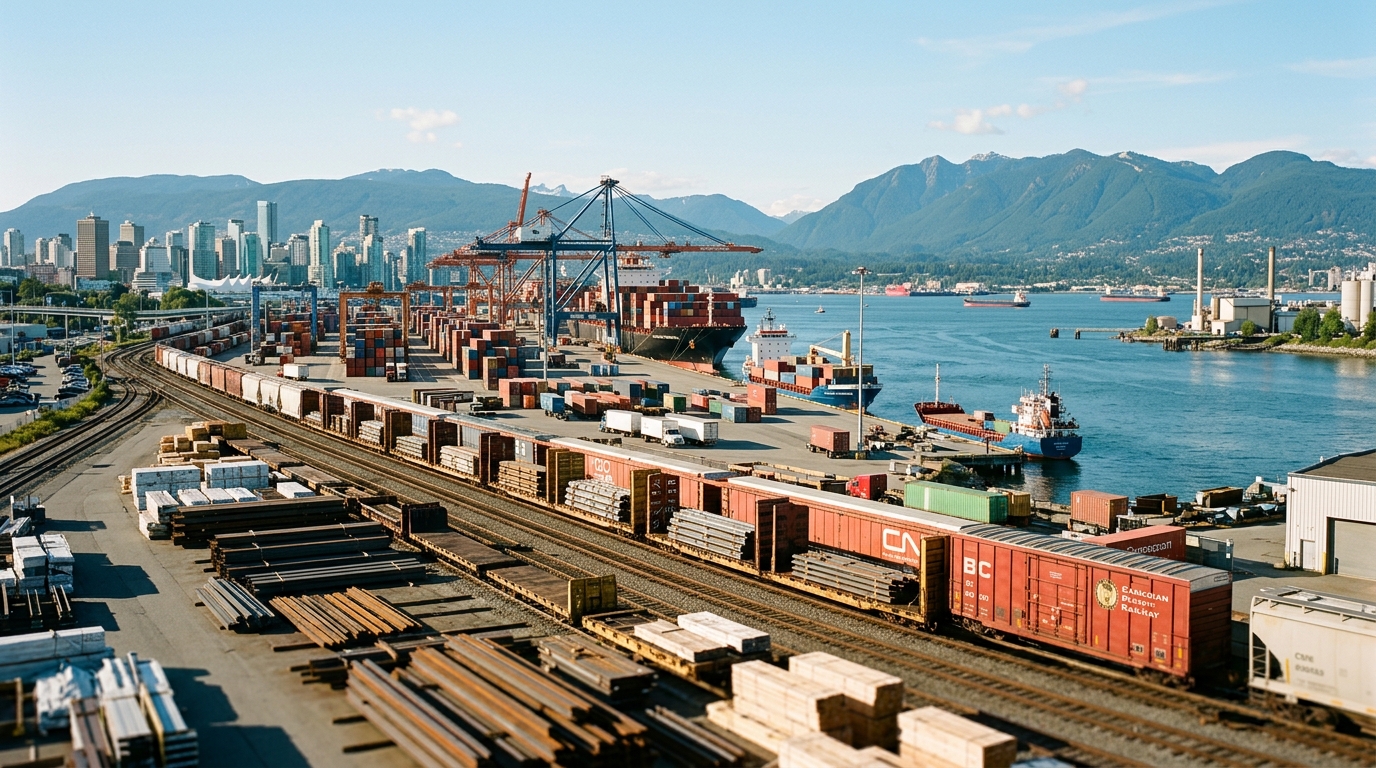
For years, food processors in the Fraser Valley and industrial component makers in Burnaby struggled to compete with U.S. suppliers. American manufacturers held advantages in scale, established logistics, and pricing that Canadian producers could rarely match. Then, tariffs changed the math.
The same trade disruption that has rattled BC exporters is quietly generating a domestic demand surge. Canadian buyers across Ontario and Alberta—companies that previously sourced components, building materials, and processed food from American suppliers—are reconfiguring their supply chains. They are now looking to British Columbia.
This is an opportunity embedded in the current trade narrative, and it is moving faster than many operators realize.
The Price Shift That Changed the Conversation
When the United States imposed broad tariffs on Canadian exports—including steel, aluminum, and agri-food products—the initial focus was on what BC exporters stood to lose. However, tariffs act as a two-way price signal. The same measures that make Canadian goods more expensive in the U.S. also make American goods more expensive in Canada.
For a procurement manager in Hamilton or Calgary, the landed cost of industrial components or specialty food ingredients from Michigan or Ohio has risen materially. The Canadian alternative, which once appeared expensive on a unit-cost basis, now looks competitive.
Export Development Canada's trade intelligence tracking has flagged a rise in domestic supply-chain reshoring inquiries since tariff measures took effect. The pattern mirrors trends documented during earlier trade disruptions: when border costs spike, buyers move quickly to reduce cross-border exposure.
BC's Idle Capacity as an Asset
BC's manufacturing sector entered this period with underutilized capacity—a hangover from pandemic-era supply disruptions, labour shortages, and export market softness. Statistics Canada's monthly manufacturing survey shows BC shipments running below installed production potential in several key categories, including food processing and fabricated metal products.
Idle capacity is typically a drag on margins. In a domestic demand surge, however, it becomes a revenue inflection point. A plant running at 65 per cent utilization can absorb new contract volume at near-zero marginal capital cost. The contribution margin on that incremental production is high, arriving precisely when export uncertainty is compressing revenue forecasts.
The BC Alliance for Manufacturing and the Canadian Manufacturers & Exporters BC chapter report an increase in inbound procurement inquiries from central Canadian buyers, a pattern distinct from typical seasonal variation.
What This Means for Vancouver
The sectors seeing the most activity are food processing, industrial components, and building materials. In these areas, BC has established infrastructure and the cost gap with American suppliers has narrowed.
For building materials, the timing aligns with a broader infrastructure investment cycle. Ontario and Alberta buyers sourcing lumber, engineered wood products, or specialty construction components are finding that BC suppliers are now more cost-competitive than their Pacific Northwest counterparts. BC's mass timber sector is well-positioned to redirect some export capacity domestically without requiring significant retooling.
The BC Ministry of Jobs, Economic Development and Innovation, Invest Vancouver, and federal agencies like PacifiCan offer resources to help manufacturers identify and pursue interprovincial contracts. These programs are worth engaging now while the demand window remains open.
The Operational Playbook
For manufacturers in Metro Vancouver and the Fraser Valley, the takeaway is clear: buyers who previously defaulted to American suppliers are shopping Canadian. If you have capacity and can meet quality and delivery requirements, you are in a stronger competitive position than you were 24 months ago.
Operators who move quickly on three fronts will capture the most volume: sales capacity, quality certifications, and logistics partnerships. Interprovincial freight requires different operational planning than local delivery; locking in reliable carriers is essential.
The Window Is Not Permanent
This opportunity has a time limit. If trade negotiations produce tariff relief, the price advantage will narrow. If U.S. manufacturers find workarounds or Canadian buyers identify alternative offshore sources, inquiry volume will soften. The interprovincial trade flow data from Statistics Canada will be the primary indicator to watch.
Manufacturers who treat this as a temporary bump will miss the opportunity. Those who treat it as a structural shift—building the sales infrastructure and logistics relationships to serve central Canadian buyers at scale—will emerge from this period with a more diversified customer base. Revenue diversification across domestic and export markets is the operational resilience that protects a business against the next round of trade disruption.



