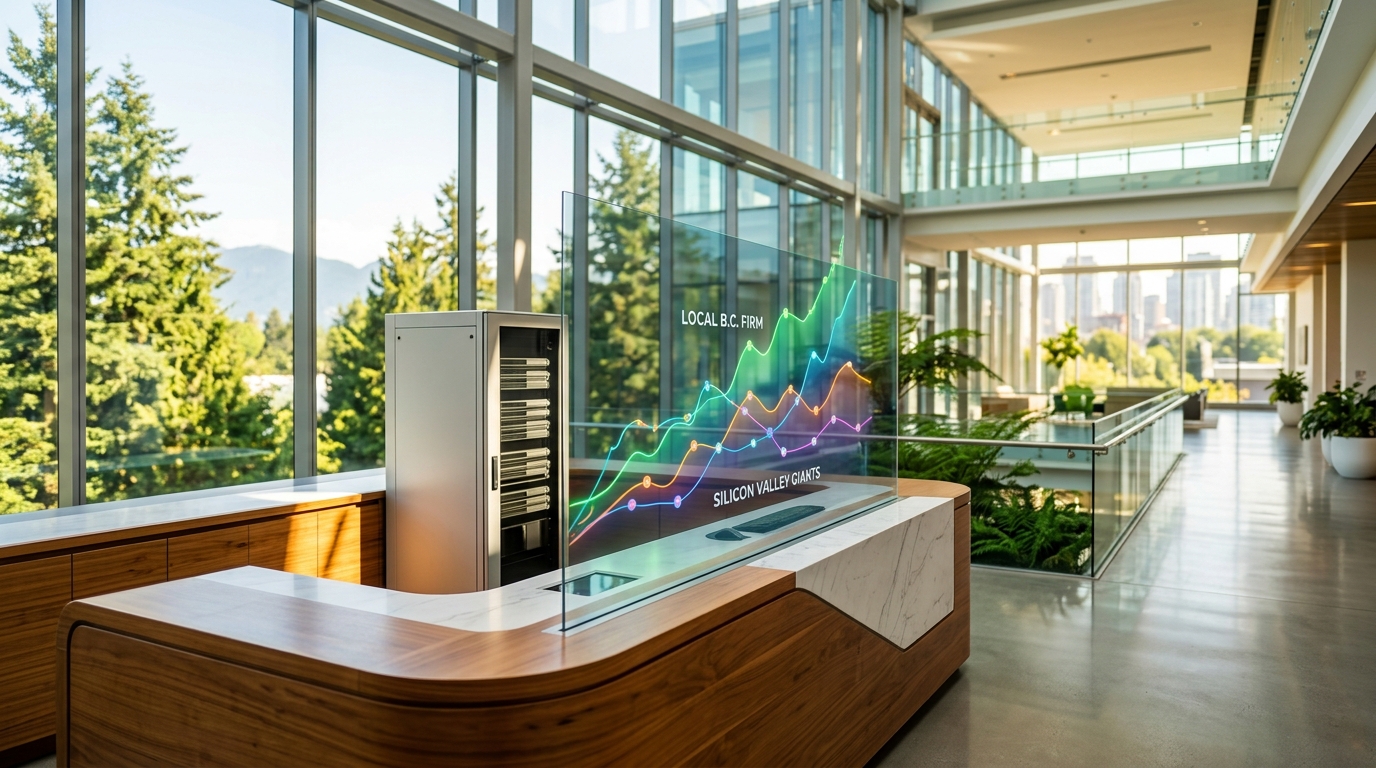
Tariffs are designed to penalize exporters, and for most B.C. companies shipping goods south of the border, that is the reality. However, inside Vancouver's cleantech sector, a different narrative is emerging: firms that moved early to establish U.S. manufacturing partnerships or American subsidiary structures are finding themselves on the right side of a wall they did not build.
The mechanism is the Inflation Reduction Act's domestic content bonus, a provision rewarding clean-energy buyers with tax credits when they source equipment manufactured in the United States or in countries with qualifying trade relationships. For B.C. firms that have structured their U.S. operations carefully, that threshold is achievable. The tariff disruption currently squeezing B.C.'s forest products and agri-food exporters is, paradoxically, handing the cleantech sector a competitive advantage.
The IRA's domestic content requirements vary by technology category. Solar and wind projects must source 45 per cent of manufactured components domestically to qualify for the bonus credit in 2025, rising to 50 per cent for projects starting construction in 2026. For grid-connected battery storage, the threshold sits at 40 per cent. These are significant hurdles, but for B.C. firms that have already integrated U.S. manufacturing partners into their supply chains, they represent a moat that new entrants will struggle to cross.
Restructuring activity has been rapid. According to Export Development Canada's U.S. market intelligence tracking, B.C. cleantech exports to the United States grew meaningfully in 2024, with grid software and industrial electrification leading the expansion. The firms driving this growth share a common trait: they established U.S. commercial presences before the current tariff environment hardened.
Foresight Canada, the Vancouver-based cleantech accelerator, has been tracking U.S. revenue exposure across its cohort. Companies with active U.S. commercial contracts—particularly in grid modernization and building energy management—are reporting shorter sales cycles and higher close rates than at any point in the past three years. American buyers, facing their own procurement pressures, are seeking suppliers who can deliver IRA-compliant equipment without the tariff surcharges now attached to Chinese and, in some categories, European alternatives.
The B.C. Tech Association's member survey data points to a similar dynamic: cleantech firms with U.S. partnerships are among the least exposed to current trade disruptions, with several reporting accelerated inbound interest from American utilities and commercial real estate operators looking to secure IRA-qualifying supply chains.
The Canadian Cleantech Industry Association has noted that Canadian firms with qualifying U.S. manufacturing arrangements can access IRA bonus credits that effectively offset the cost disadvantage introduced by retaliatory tariffs. This arbitrage opportunity is finite. The domestic content thresholds rise on a legislated schedule, and the political durability of the IRA's incentive structure beyond 2026 remains a live question in Washington.
According to B.C. Ministry of Jobs, Economic Development and Innovation trade data, the cleantech sector's export performance stands in sharp contrast to traditional resource industries, which are absorbing the full weight of retaliatory measures. This divergence is influencing where provincial trade support is flowing.
For investors, the strategic implication is clear: the companies worth watching are those that have performed the structural work—establishing U.S. subsidiaries, manufacturing partnerships, and IRA-compliant supply chains—to operate inside the wall. This transition typically takes six to 18 months. Firms that began this process in late 2024 are positioned to close U.S. contracts in 2026; those starting now are racing against the clock.
For a well-positioned slice of Vancouver's cleantech sector, the current tariff era has become a significant lead-generation event. The question for founders and investors is whether they can move fast enough to capitalize on this window before Washington's legislative calendar closes it.