The consumer virtual reality hangover was brutal. Headsets gathered dust, studios shuttered, and the metaverse became a punchline. But while that wave crashed, a quieter and more lucrative sector took shape in Vancouver’s industrial corridors: a cohort of extended-reality (XR) companies selling safety, securing recurring enterprise contracts in the process.
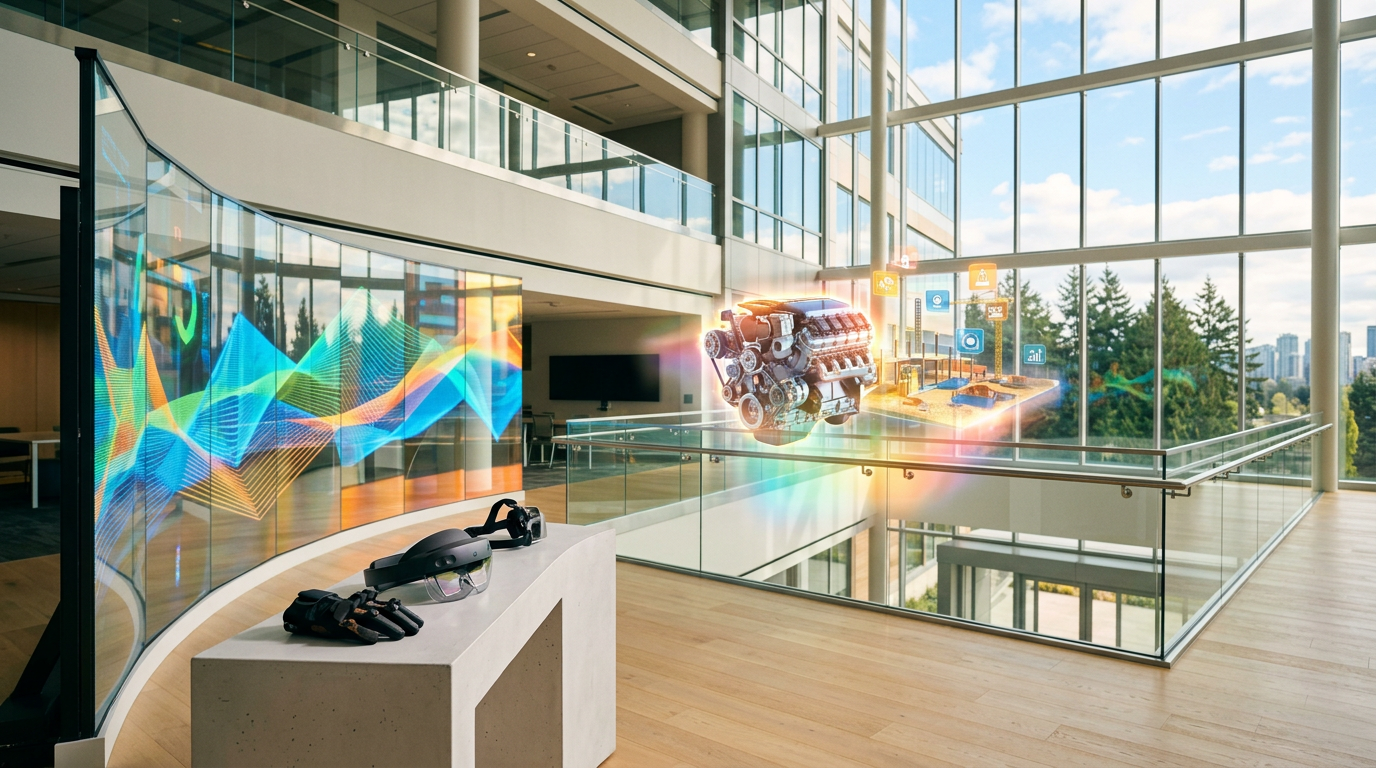
The global enterprise XR market is projected to reach $12.6 billion USD by 2028, according to IDC. British Columbia, with more than 40 active XR studios tracked by DigiBC, has positioned itself at the front of that opportunity. Most of these studios have pivoted from consumer-facing projects to enterprise tools, providing immersive training simulations for mining, electrical utilities, and large-scale construction—sectors where safety is paramount.
Published studies in the utility sector show XR-based training reduces onboarding incidents by 40 to 60 per cent compared to traditional methods. When a mining company demonstrates a measurable drop in lost-time injuries tied to a simulation platform, the return on investment is clear. These are no longer pilot projects; they are multi-year contracts with renewal clauses.
The BC Tech Association's 2025 sector report identifies immersive technology as one of the province's fastest-growing B2B software verticals. The shift in revenue model—from one-time app sales to annual licences, content updates, and platform fees—has made these firms attractive acquisition targets.
Several Vancouver-area XR studios are now fielding inquiries from U.S. and European industrial conglomerates. While these discussions remain private, the pattern is clear. Natural Resources Canada's digital mining initiative has been seeding procurement relationships that place Canadian XR platforms in front of international operators who often become acquirers.
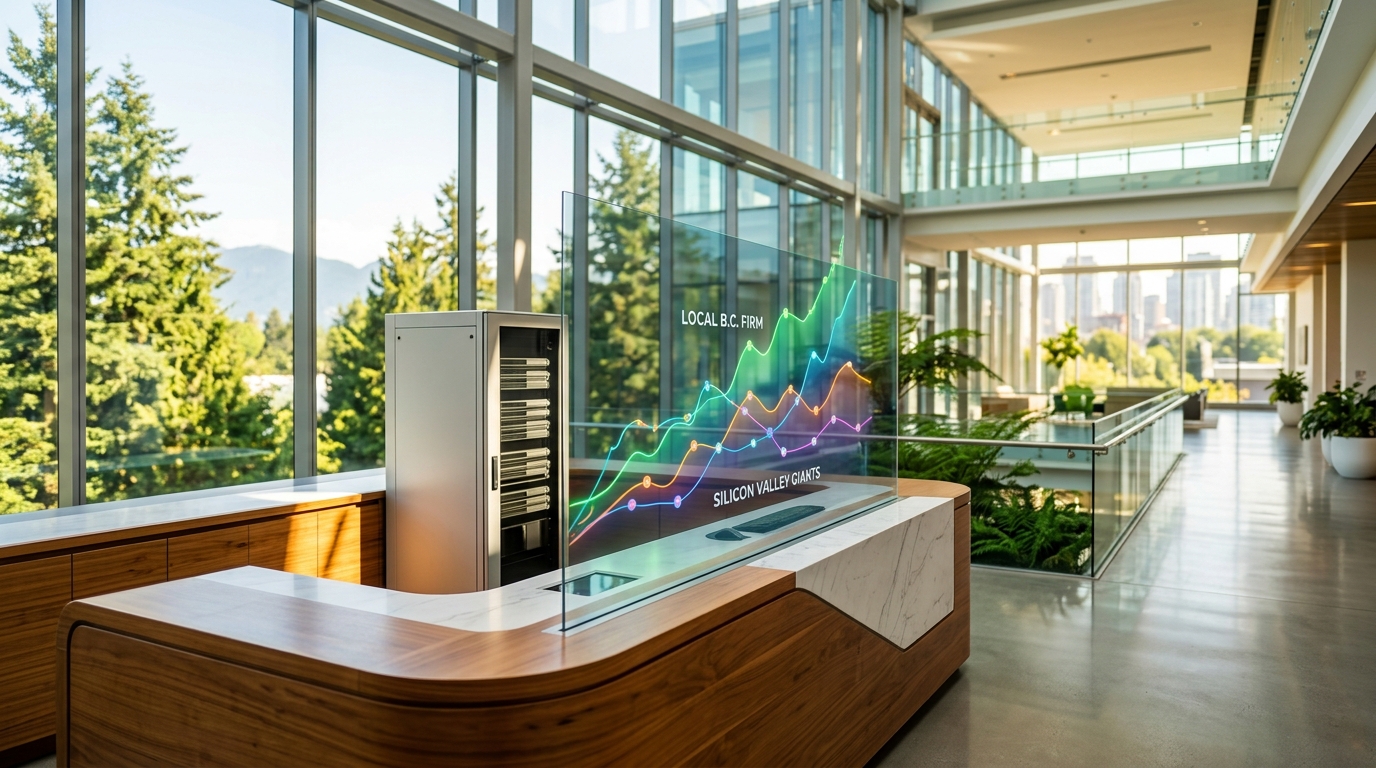
Vancouver’s medtech sector followed a similar trajectory: building world-class companies only to see them acquired by foreign buyers before local capital could mobilize at scale. The pattern is well-documented, and the XR sector is currently at an inflection point similar to where medtech stood in 2019 and 2020.
Innovate BC's XR cohort alumni have secured contracts with international resource companies, supported by a strong academic pipeline. BCIT and Emily Carr University of Art + Design have disclosed industry partnerships with XR firms, producing graduates who bridge the gap between simulation tooling and operational context—a competitive advantage difficult to replicate elsewhere.
The window for local capital to act is closing. Companies in the $5 million to $20 million annual recurring revenue range are particularly vulnerable to early acquisition. A Series B investment from a Canadian firm with sector expertise could provide the runway necessary for these founders to scale, keeping the intellectual property, jobs, and tax base in British Columbia.
The capital exists within B.C.’s resource-sector and pension-adjacent funds. The question is whether they will move before international strategics do, or if this will become another case of a sector built here and scaled elsewhere.
Vancouver’s XR sector found its killer app in a hard hat. The question now is who will reap the rewards of what comes next.